Druski, Erika Kirk, and the Limits of Parody: Fair Use, Defamation, and Free Speech Explained
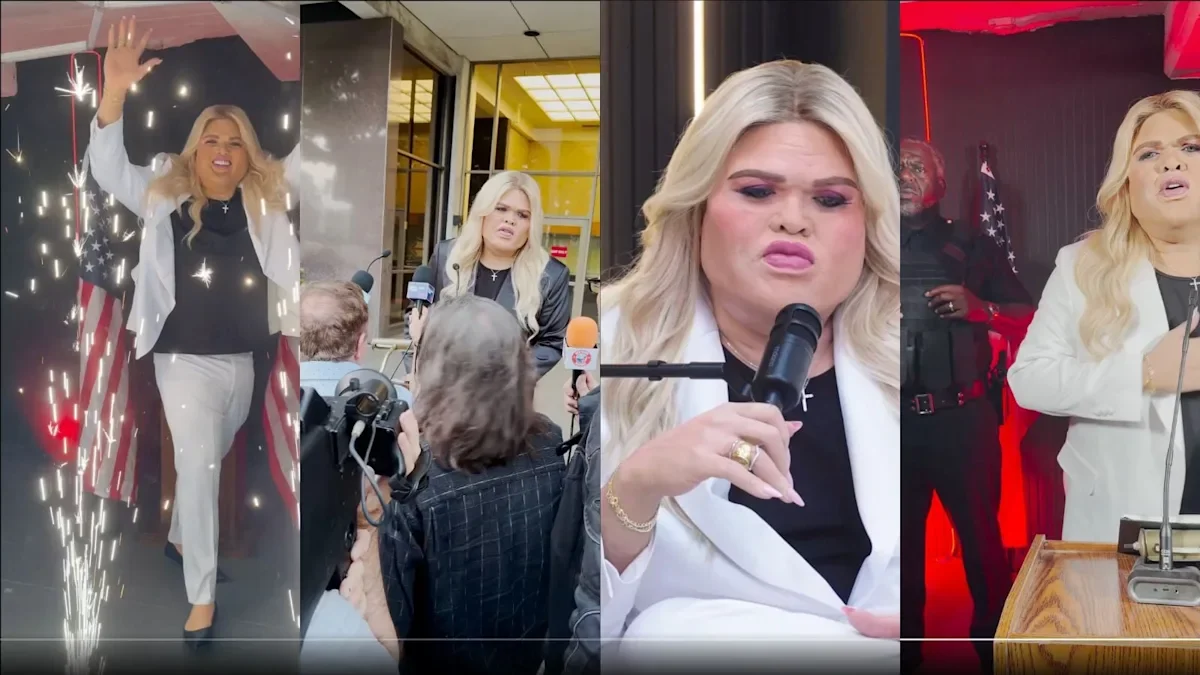
In March 2026, comedian Druski ignited a cultural firestorm after releasing a viral skit portraying a character widely interpreted as Erika Kirk, the widow of the late conservative activist Charlie Kirk. The video, titled “How Conservative Women in America Act”, quickly amassed tens of millions of views and sparked intense backlash, particularly given Kirk’s public profile and recent personal circumstances. However, despite viral claims of legal threats, cease-and-desist letters, and direct responses, none of that has actually happened. There is no “legal case” ongoing, strictly speaking.
The “dispute” was largely fueled by fabricated screenshots, ostensibly, to generate more buzz. Which makes this moment far more interesting. Because it serves as a case study for one of the most fascinating tensions in modern media law: Who owns identity, and who controls how it can be used, mocked, or reinterpreted?
This situation highlights the intersection between parody, fair use, and defamation law, which often creates confusion for content creators and comedians.
Is the Skit Protected by Fair Use?
Fair use is probably the first principle that comes to mind in a case like this. Fair use is a legal doctrine that allows limited use of copyrighted material without permission from the rights holder, particularly for purposes like commentary, criticism, news reporting, teaching, and parody. Courts evaluate fair use using a four-factor test: (1) the purpose and character of the use (including whether it is “transformative”), (2) the nature of the original work, (3) the amount used, and (4) the effect on the market for the original. The most important factor in modern analysis is whether the new work adds new meaning or message, rather than simply copying.
How does Fair Use protect Free Speech?
Fair use is a powerful tool for free speech advocates, because it offers a limited exception to use copyrighted works without needing to ask for permission. Copyright law grants creators a limited monopoly over the use and exploitation of their works, allowing them to control reproduction, distribution, and licensing. However, at the same time, the First Amendment protects the public’s right to freedom of expression, including the ability to comment on, critique, and reinterpret those works.
This creates an inherent tension: if copyright were absolute, it could suppress speech; if speech were absolute, it could undermine creators’ economic rights. Fair use exists as the mechanism that balances these competing interests. By applying a flexible, case-by-case test, courts allow certain unauthorized uses that serve a broader expressive or societal purpose. In doing so, fair use preserves the economic incentives of copyright while ensuring that the law does not stifle commentary, creativity, or cultural dialogue. Ultimately, it reflects a core principle: intellectual property rights must coexist with, not override, constitutional freedoms.
But it’s a delicate balance: where do the author's rights end, and the commentator’s rights begin? That is the key question in all fair use analyses.
Are Parodies Covered under Fair Use?
Parody is one of the most protected forms of fair use because it uses elements of an original work to comment on or critique that very work (or the subject it represents). Courts, particularly in the Supreme Court case Campbell v. Acuff-Rose Music, Inc., recognize that parody must “conjure up” the original to make its point, meaning some level of copying is legally permissible. The key is transformation: the new work must add new meaning, message, or expression, rather than merely replicate the original. When done properly, parody sits at the intersection of copyright law and free speech, and is strongly protected under both.
Is the Druski Skit a Parody?
This is where it gets interesting. Druski’s skit does not copy a specific copyrighted work. So it is, technically, not a traditional fair use case in the copyright sense. Druski does not evoke a work, but rather a person (allegedly) to create commentary.
When fair use principles are applied in the context of Name, Image, and Likeness (NIL), also known as the right of publicity, the analysis shifts from protecting a copyrighted work to protecting a person’s identity from unauthorized commercial exploitation.
Unlike copyright, there is no statutory “fair use” doctrine for NIL, but courts often apply analogous First Amendment balancing tests. The key question becomes whether the use is transformative and expressive (e.g., parody, commentary, or satire), or whether it merely exploits the individual’s identity for commercial gain.
If the use adds new meaning, message, or expression, courts are more likely to protect it as speech, even if the person is recognizable. Conversely, if the use suggests endorsement or simply capitalizes on the person’s fame, liability becomes more likely.
Does Druski’s Skit Pass a Fair Use Test?
Applying the four-factor fair use test to Druski’s skit strongly favors protection.
First, the purpose and character of the use is transformative, he is not copying content, but creating parody and commentary, which weighs heavily in favor of fair use.
Second, the nature of the original (a public persona rather than a creative work) makes this factor less significant, but still leans toward allowing expressive use.
Third, the amount and substantiality used is minimal, only general traits and recognizable characteristics are evoked, not any specific protected work.
Fourth, and most importantly, there is no market harm, as the skit does not substitute for or diminish any commercial market tied to Erika Kirk’s identity or content.
Taken together, the analysis supports the conclusion that the skit would likely be considered protected transformative expression under fair use principles.
What About Defamation?
Defamation is a tort that protects individuals from false statements of fact that harm their reputation. To establish a claim, a plaintiff generally must prove: (1) a false statement of fact, (2) publication to a third party, (3) fault, and (4) damages.
A critical threshold issue is distinguishing fact from opinion, statements that are clearly opinion, satire, or rhetorical exaggeration are typically not actionable. Truth is an absolute defense, and certain contexts (like judicial proceedings or legislative debates) may also be protected by privilege.
For public figures, like ostensibly Erika Kirk, the standard is significantly higher under the Supreme Court Case New York Times Co. v. Sullivan, which requires proof of actual malice: that the defendant knew the statement was false or acted with reckless disregard for the truth. This heightened standard reflects the need to protect open debate and criticism of those in the public eye.
Damages can include reputational harm, economic loss, and, in some cases, presumed or punitive damages where actual malice is shown. In contexts involving parody or satire, courts are especially reluctant to find defamation, as such content is generally understood not to convey literal facts.
Does Druski’s Skit Pass a Defamation Test?
Analyzing this scenario under defamation principles, the threshold issue is whether Druski’s skit contains a false statement of fact about Erika Kirk. Here, the content appears to be clearly comedic, exaggerated, and satirical, which strongly weighs against it being interpreted as a factual assertion.
If Kirk is deemed a public figure, she would need to satisfy the heightened standard under New York Times Co. v. Sullivan by proving actual malice, a significant hurdle given the nature of parody.
The likelihood of success on a defamation claim is therefore low, as courts routinely find that satire and caricature are protected forms of expression. Key defenses would include opinion, parody, and First Amendment protection, all of which are particularly strong in this context.
Additionally, there is no clear evidence of reputational harm tied to a false factual statement, further weakening any claim. Overall, the legal framework heavily favors the speaker in cases involving expressive, non-literal content like this.
MORE RESOURCES FOR YOU👇👇👇
📚 Related Legal Guides
Explore more insights related to defamation, content creators and fair use:
Why Does YouTube Keep Flagging My Videos? Fair Use & Copyright Explained
Defamation on YouTube: Takedown Options and Legal Risks Explained
🔎 Legal Services for Content Creators
Learn how we assist creators, agencies, and businesses with:
👉 content risk assessment, defamation defense, intellectual property, and digital media strategy
🧠 Speak With an Entertainment Lawyer
If you are producing content, facing a legal threat, or unsure about your exposure:
👉 Schedule a consultation with an entertainment lawyer experienced in content, defamation, and digital media law
📩 Contact Our Firm
For general inquiries about our services and firm:
We are experienced entertainment lawyers in Miami, Florida, Puerto Rico and nationwide for select matters (SED Law, PLLC).
*This article is provided for informational purposes only, and does not constitute legal advice, counsel or representation.