What Is Regulation Crowdfunding?
Updated February, 2 2026
Raising capital has traditionally been expensive, complex, and limited to a narrow pool of investors. Regulation Crowdfunding (Reg CF) changed that. It allows early-stage companies to raise money from the general public — legally — through online platforms, without the cost and barriers of a traditional public offering.
For startups, creators, and small businesses, Reg CF has become one of the most accessible fundraising tools available under U.S. securities law.
(If you’d like to learn more about legal issues that every startup or business should prepare for, read this section.)
What Is Regulation Crowdfunding?
Regulation Crowdfunding is a federal exemption under the U.S. securities laws that permits eligible companies to raise capital by selling securities to both accredited and non-accredited investors through approved online portals.
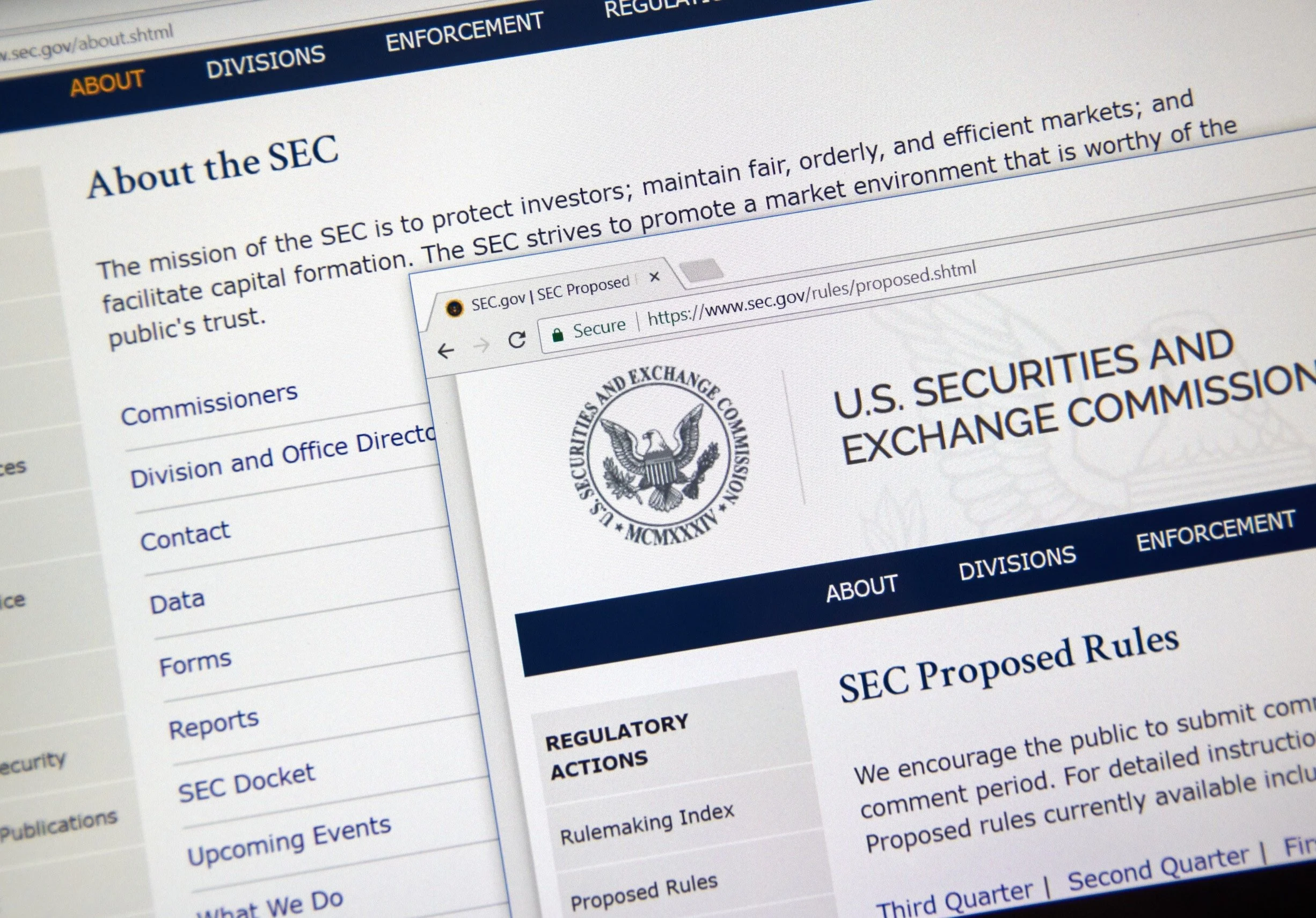
Reg CF was adopted as part of the JOBS Act and is administered by the U.S. Securities and Exchange Commission. It is designed to balance broader access to capital with investor protection through disclosure requirements and investment limits.
Who Is Eligible for Regulation Crowdfunding?
Reg CF is available to companies that are organized in and have their headquarters in the United States. In addition to this, the companies are not allowed to advertise the terms of the offering, with certain exceptions, and the crowdfunding portals are required to take measures to reduce the potential for fraud.
How Much Can a Company Raise Under Reg CF?
As of current SEC rules, a company may raise up to $5 million in a 12-month period under Regulation Crowdfunding. This cap makes Reg CF particularly attractive for seed-stage and early-growth companies that are not yet ready for venture capital or an IPO.
Companies may offer various securities, including:
Common stock
Preferred stock
SAFEs
Convertible notes
Revenue-sharing instruments
Each choice has legal and strategic consequences for control, dilution, and future fundraising.
(If you’d like to learn more about other fundraising strategies for startups and businesses, read this article)
Who Can Invest?
One of the defining features of Reg CF is that anyone can invest, not just wealthy or accredited investors. However, individual investment amounts are capped based on income and net worth, which helps limit downside risk for retail investors. This democratized structure is what distinguishes Reg CF from most private securities offerings.
How Does the Process Work?
A typical Regulation Crowdfunding raise follows these steps:
Choose a registered crowdfunding platform (also called a “funding portal” or broker-dealer).
Prepare required disclosures, including business information, use of proceeds, capitalization, and risk factors.
File Form C with the SEC, which becomes publicly available.
Launch the offering online, allowing the public to review and invest.
Close the round, once the target or maximum amount is reached.
Provide ongoing reporting, including annual updates to investors.
The process is far more streamlined than a registered public offering — but it is still regulated and legally binding.
What Are Some Key Compliance Obligations?
Companies must make sure to:
Make truthful, complete disclosures
Avoid misleading statements
Use registered platforms only
Comply with advertising and solicitation rules
File annual reports after the raise
Failure to comply can result in enforcement actions, rescission rights, or difficulty raising future capital.
Conclusion
Regulation Crowdfunding offers startups a legally compliant way to raise capital from the public while maintaining structure and investor protections. When used correctly, it can fund growth, validate market interest, and build a loyal investor community.
The key is planning, compliance, and proper structuring, not rushing to launch.
MORE RESOURCES FOR YOU👇👇👇
📚 Related Guides for Startups, Business & Capital Markets
🔎 Legal Services for Founders & Business Owners
We assist clients with:
👉 business structuring, intellectual property, compliance, contracts, and legal strategy
🧠 Work With a Business Lawyer
👉 Schedule a consultation with a lawyer experienced in startups, business, and capital markets.
📩 Contact Our Firm
Have questions about this article, our firm or services?
👉 Contact us for general inquiries
We are experienced business lawyers in Miami, Florida, Puerto Rico and nationwide for select matters (SED Law, PLLC).
*This article is provided for informational purposes only, and does not constitute legal advice, counsel or representation.