Celebrity Beauty Brand Acquisitions: The Legal Layers Behind Billion-Dollar Beauty Deals
Introduction
The beauty industry has increasingly become a battleground for celebrity-founded brands, private equity firms, multinational conglomerates, and strategic acquirers competing for consumer attention, intellectual property, and market share. Over the last several years, celebrity-backed beauty brands have transformed from influencer side projects into highly valuable acquisition targets capable of generating massive enterprise valuations.
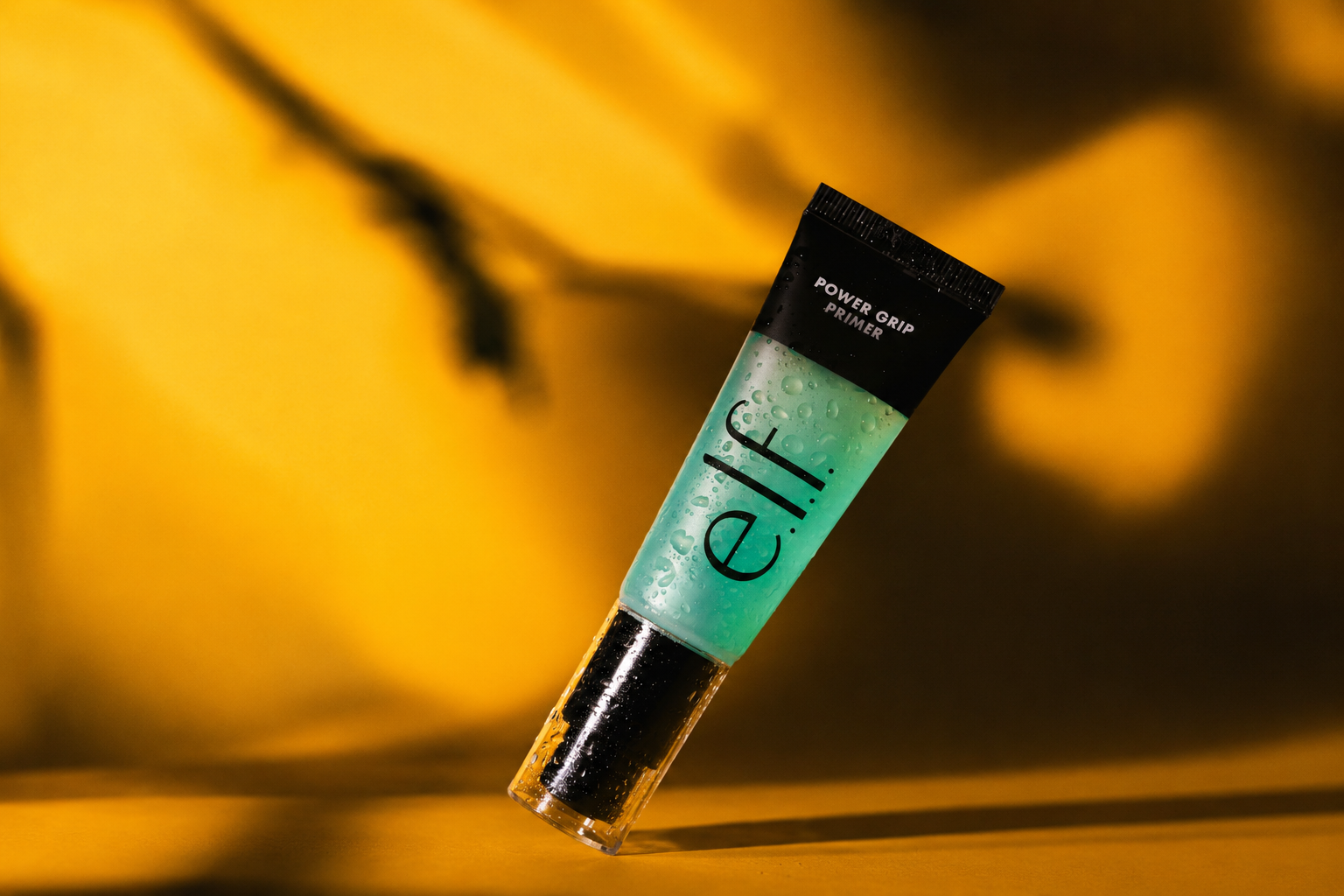
One of the latest and most talked-about examples is the reported acquisition of Rhode, the skincare brand founded by Hailey Bieber, by e.l.f. Beauty in a deal reportedly valued at approximately $1 billion.
These transactions may appear glamorous from the outside, but behind every high-profile acquisition lies a sophisticated legal and business framework involving: intellectual property, due diligence, antitrust review, tax planning, contract negotiation, corporate structuring, and post-acquisition integration.
In this article, we break down the legal implications behind celebrity beauty brand acquisitions and explore why these transactions involve far more than simply purchasing a brand name.
The Rise of Celebrity Beauty Brands
Celebrity-founded beauty companies have become increasingly attractive acquisition targets because they combine strong consumer loyalty, social media influence, scalable ecommerce models, direct-to-consumer infrastructure, and valuable intellectual property portfolios.
For acquiring companies, these transactions may offer portfolio diversification, demographic expansion, increased digital presence, access to younger consumers, and enhanced market positioning.
However, the legal complexity behind these acquisitions grows substantially when the brand itself is closely tied to the founder’s identity, likeness, and public reputation.
Hailey Bieber’s Rhode and e.l.f. Beauty’s Billion-Dollar Acquisition
Just three years after its launch in 2022, Rhode reportedly became the target of the largest acquisition in e.l.f. Beauty’s history. According to reports, the transaction was valued at approximately $1 billion and included: approximately $600 million in cash, approximately $200 million in newly issued stock, and a potential $200 million earnout tied to future performance metrics.
Reports also indicated that the cash portion of the transaction was supported through committed debt financing. The deal was expected to close in fiscal 2026, subject to customary regulatory approvals.
Importantly, Hailey Bieber reportedly remained involved with the company post-acquisition as Chief Creative Officer and Head of Innovation, illustrating a common feature in celebrity acquisitions: the buyer often acquires not only the company, but also continued founder influence and brand identity.
Why Celebrity Beauty Acquisitions Are Legally Complex
Celebrity beauty acquisitions often involve overlapping areas of intellectual property law, corporate transactions, securities law, privacy law, advertising law, and employment and contract law. Because the public identity of the founder is frequently intertwined with the brand itself, buyers must carefully evaluate both the underlying business assets, and the long-term sustainability of the celebrity association.
Trademark Rights and Brand Ownership
One of the most valuable assets in a beauty acquisition is often the trademark portfolio. This may include: brand names, logos, slogans, product names, packaging designs, and trade dress. In acquisitions involving brands like Rhode, the acquiring company typically seeks assignment of all trademark rights and associated goodwill.
A trademark assignment agreement generally addresses the parties involved, the marks being transferred, purchase consideration, warranties and representations, and the transfer of associated goodwill. Failure to properly transfer goodwill can create significant enforceability problems under trademark law.
Once executed, assignments are generally recorded with the United States Patent and Trademark Office to publicly reflect the transfer of ownership.
(If you’d like to learn more about how businesses can protect their ideas and concepts, read this article.)
Trademark Disputes and Brand Risk
Trademark disputes can materially affect the value of a target company. Acquiring companies must evaluate whether the target brand is infringing third-party rights, pending disputes exist, opposition proceedings are active, or litigation could threaten continued use of the brand.
These issues may reduce valuation, create integration problems, delay closing, or expose the buyer to future litigation and injunction risk. For celebrity-founded brands, reputational disputes may be particularly damaging because consumer perception and founder identity are often central to the value of the business.
(If you’d like to learn more about what damages are available for trademark infringement, read this article.)
Due Diligence in Celebrity Brand Acquisitions
Due diligence is one of the most important phases of any acquisition. The buyer typically conducts a comprehensive investigation into:
financial performance,
intellectual property ownership,
contracts,
litigation,
regulatory compliance,
tax exposure,
operational systems,
employment matters,
and cybersecurity risks.
In beauty industry acquisitions, buyers may also evaluate manufacturing relationships, supply chains, influencer agreements, social media assets, customer acquisition metrics, and product liability exposure. Thorough due diligence helps identify hidden liabilities, verify valuation assumptions, reduce transactional risk, and support smoother post-closing integration.
(If you’d like to learn more about the risks of verbal or poorly written agreements in business, read this article.)
Protecting Confidential Information During Acquisitions
Acquisitions often require the disclosure of highly sensitive information. To reduce risk during negotiations and due diligence, parties frequently use non-disclosure agreements (NDAs), virtual data rooms (VDRs), restricted access protocols, encrypted communication systems, phased disclosure strategies, and cybersecurity protections. These measures are particularly important in transactions involving proprietary formulas, manufacturing processes, customer databases, marketing analytics, and trade secrets.
Antitrust and Competition Law Considerations
Large acquisitions may also attract regulatory scrutiny. Transactions involving significant market share or industry concentration may be reviewed by agencies such as the Federal Trade Commission, and Department of Justice. Regulators may analyze whether the acquisition reduces competition, increases market concentration, creates unfair barriers to entry, or harms consumers.
Although beauty industry acquisitions are not always blocked, regulatory review can delay transactions, impose conditions, or require additional disclosures.
Contractual Documents Behind Major Acquisitions
High-profile acquisitions generally involve extensive transactional documentation. Common documents may include:
purchase agreements,
letters of intent,
disclosure schedules,
employment and retention agreements,
intellectual property assignments,
closing certificates,
transition services agreements,
and third-party consents.
The purchase agreement itself typically addresses purchase price, payment structure, indemnification, representations and warranties, closing conditions, and post-closing obligations.
Tax Implications of Beauty Brand Acquisitions
Tax considerations can significantly affect both buyers and sellers. The structure of the transaction—particularly whether it is structured as an asset sale, stock sale, merger, or hybrid transaction—may materially affect tax treatment, liabilities, deductions, and after-tax proceeds. Sellers often prefer structures producing capital gains treatment, reduced double taxation, or deferred recognition of gain. Buyers, on the other hand, may prioritize amortization opportunities, stepped-up basis treatment, and liability protection.
Other important tax considerations may include: installment sales, depreciation recapture, goodwill allocation, transaction cost deductions, and state tax exposure. Given the complexity of these issues, tax planning is frequently a central component of acquisition negotiations.
(If you’d like to learn more about the tax implications of intellectual property transactions, read this article.)
Data Privacy and Consumer Information
Modern beauty brands often possess substantial amounts of consumer data. As a result, acquisitions may implicate multiple privacy and cybersecurity laws, including: GDPR, CCPA, FTC privacy enforcement, and potentially COPPA depending on data collection practices. Key issues may include consent rights, data transfer restrictions, cybersecurity compliance, breach notification obligations, and privacy due diligence.
Acquisition agreements frequently contain representations and warranties regarding data security, indemnification provisions, and obligations concerning regulatory compliance. For global consumer brands, these issues can become especially significant.
(If you’d like to learn more about what is the GDPR and what does it mean for American businesses, read this article.)
MORE RESOURCES FOR YOU👇👇👇
📚 Related Guides on Trademarks & Intellectual Property
🔎 Legal Services for Trademarks & Businesses
Learn how we assist clients with:
👉 Registration, Licensing, and Enforcement of Intellectual Property Rights
🧠 Work With an Intellectual Property Lawyer
👉Schedule a consultation with an IP and Trademark lawyer.
📩 Contact Our Firm
Have questions about this article, our firm or services?
👉 Contact us for general inquiries
We are experienced music and entertainment lawyers in Miami, Florida, Puerto Rico and nationwide for select matters (SED Law, PLLC).
*This article is provided for informational purposes only, and does not constitute legal advice, counsel or representation.