
¿Se Puede Proteger un Ritmo Musical? Analizando el Caso “Dembow” que Podría Redefinir la Industria Musical
¿Puede un ritmo musical estar protegido por derechos de autor? Analizamos el caso de "Dembow" presentado por los productores jamaiquinos Steely and Clevie, en contra de artistas como Bad Bunny, Daddy Yankee, Karol G y otros, que busca reclamar regalías de miles de canciones de reggaeton.
Cómo Crear un Negocio de Música con Inteligencia Artificial: Derechos de Autor, Monetización, y los Riesgos Legales que Debes Conocer
La inteligencia artificial está transformando la industria musical. Hoy cualquier persona puede crear canciones, distribuirlas en Spotify, monetizarlas en YouTube y construir una marca utilizando herramientas de IA. Sin embargo, también existen importantes consideraciones legales relacionadas con los derechos de autor, las licencias de las plataformas, y las políticas de monetización. En esta guía analizamos todo lo que necesitas saber para desarrollar un negocio legítimo de música con inteligencia artificial.
How to Build an AI Music Business: Monetization, Copyright, YouTube Policies, and the Legal Risks Every Creator Should Know
Artificial intelligence has dramatically lowered the barriers to entering the music industry, but it has not eliminated the legal rules that govern it. Whether you're creating AI-generated songs for YouTube, Spotify, commercial licensing, or social media, this comprehensive guide explains how creators can legally monetize AI-generated music while avoiding the most common legal and business pitfalls.
Los Casos Legales de Daddy Yankee: Un Análisis Completo de los Litigios que Han Marcado la Nueva Etapa de su Carrera
Daddy Yankee enfrenta múltiples litigios estatales y federales relacionados con su divorcio, el control de sus corporaciones, y la administración de regalías. Este artículo analiza cronológicamente cada procedimiento, explica los conceptos jurídicos involucrados y distingue entre las alegaciones de las partes y las determinaciones emitidas por los tribunales.

Intellectual Property and Legal Issues Every Content Creator Should Understand
Creating content has never been easier—but publishing online comes with legal risks that many creators overlook. From copyright claims and Fair Use disputes to trademark issues and rights of publicity, content creators face a growing number of legal challenges as their audiences expand. This article explores the most common legal issues creators encounter and how to reduce risk while building a digital brand.
When Can You Use Someone Else's Trademark? Nominative Fair Use Explained
Can a business legally use someone else's trademark? In many cases, the answer is yes. The doctrine of nominative fair use allows businesses, brokers, resellers, reviewers, and content creators to refer to trademarked products and services without committing trademark infringement—provided their use does not create consumer confusion.
Should You Form a New LLC for a Joint Venture? Legal Risks, Liability, and Structuring Considerations
Should two companies form a new LLC before launching a joint venture? While many businesses prefer the simplicity of operating through a contractual arrangement, doing so can create significant legal, tax, liability, and intellectual property risks if not properly structured. This article explores the advantages and disadvantages of operating a joint venture without a separate entity and outlines practical strategies for reducing risk while preserving flexibility.
What to Do if You Receive a USPTO Office Action on your Trademark?
Trademark law is far more nuanced than simply comparing words side-by-side. Courts and the USPTO apply a fact-specific analysis involving commercial impression, consumer sophistication, and market context. We break down Section 2(d) refusals, likelihood of confusion, and what applicants should know when responding to an Office Action.
Celebrity Beauty Brand Acquisitions: The Legal Layers Behind Billion-Dollar Beauty Deals
Celebrity beauty brands have evolved into billion-dollar acquisition targets. But behind every high-profile beauty acquisition lies a sophisticated legal framework involving trademarks, due diligence, intellectual property, tax planning, privacy compliance, contracts, and antitrust review. We break down the legal layers behind modern celebrity beauty brand acquisitions.

How Restaurants Can Protect Their Recipes — Legal Options Explained
Got a signature dish? Recipes aren’t protected like patents — but restaurants still have legal tools to keep them secret. Here’s how.
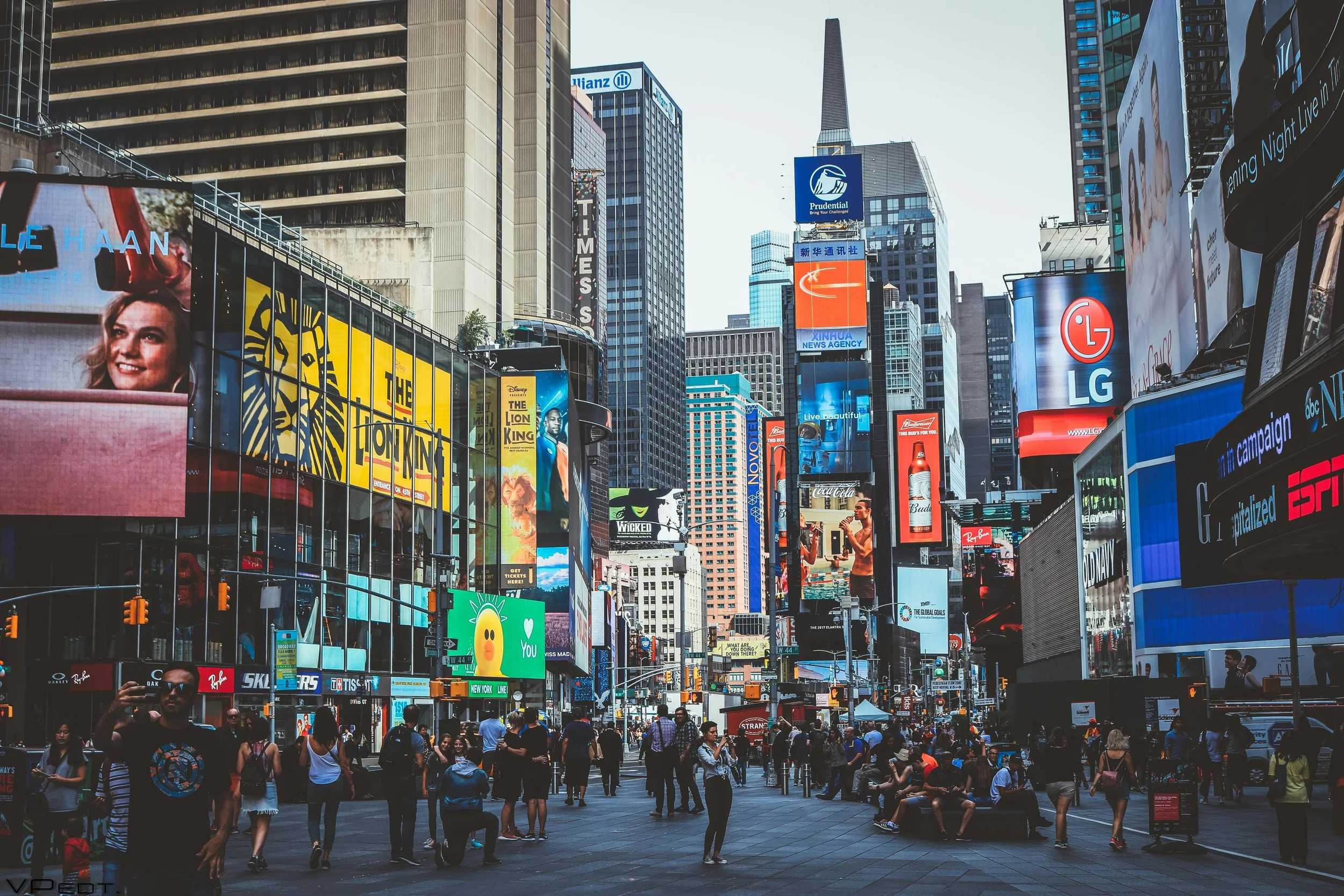
Trademark Infringement Damages: What Compensation Are You Entitled To?
Trademark infringement isn’t just confusing — it’s costly. Here’s what damages the law allows you to recover and when courts award them.

How to Prove Trademark Infringement: A Practical Legal Guide
Trademark infringement isn’t about copying alone — it’s about confusion. Here’s how courts decide whether infringement actually occurred.
Can You Oppose a Trademark Before It’s Registered? Here’s How It Works
You don’t have to wait for a trademark to register before acting. Here’s how to oppose a conflicting application before it’s approved.
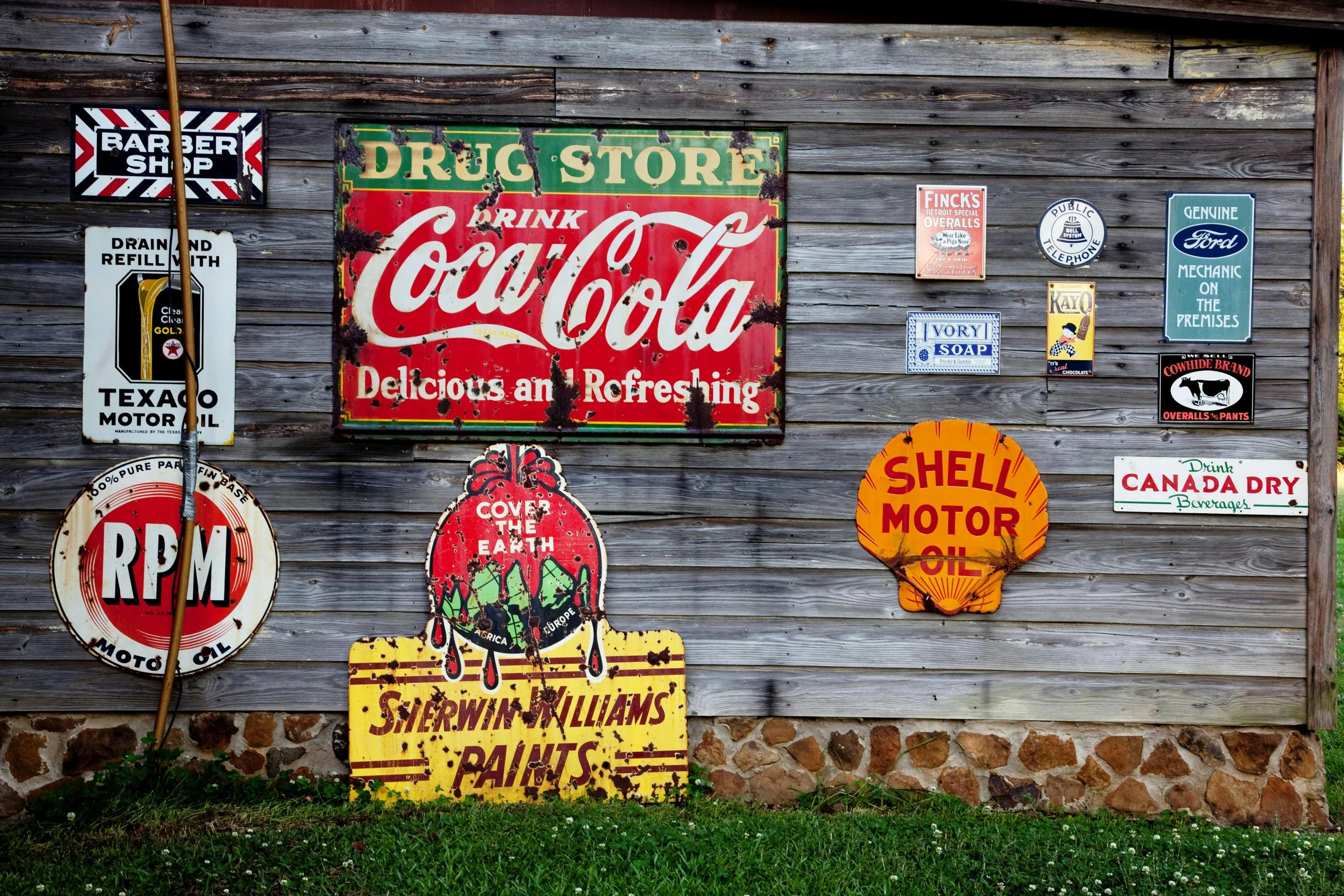
Can You Stop a Trademark from Being Registered?
You don’t always have to wait for trademark publication to act. Here’s how a Letter of Protest can stop a mark before it gets published.
How to Protect Your Ideas Legally: A Practical Guide for Creators, Founders, and Inventors
Have a great idea—but worried someone might steal it? Here’s the truth: Ideas alone aren’t protected… but what you build, write, brand, and register can be. This guide breaks down copyrights, patents, trademarks, trade secrets, and NDAs—so you know exactly how real protection works.

Legal Rights Every Designer Should Understand Before Working With Clients
Are you a designer working with clients? Understanding copyright ownership, contracts, and rights can protect your work—and your income. Here’s what every creative professional should know.
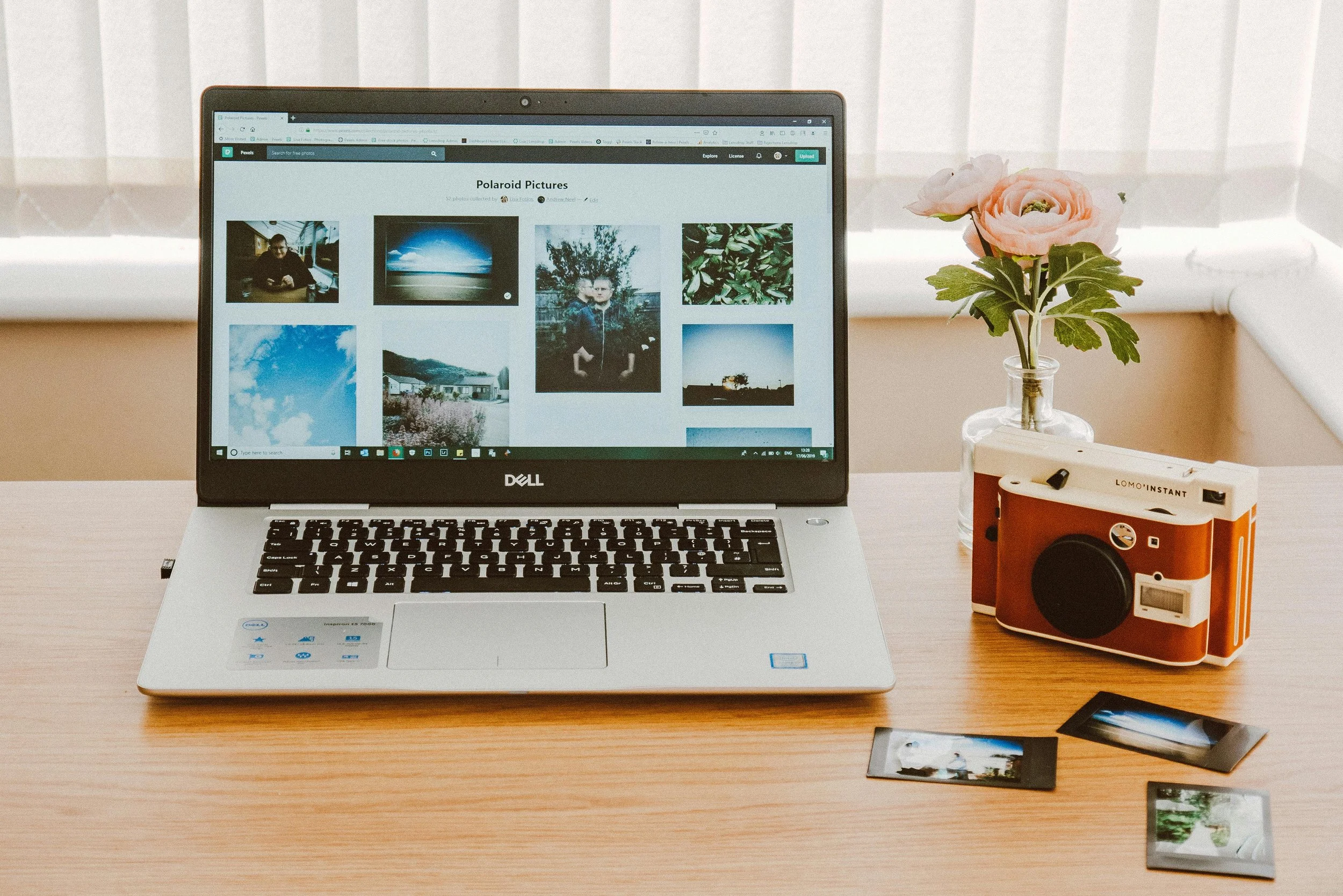
Can “.com” Be Trademarked? Domain Names and Trademark Law Explained
Owning a domain name does not automatically give you trademark rights. But can a “.com” name actually be registered as a trademark? The answer depends on distinctiveness, consumer perception, and recent Supreme Court decisions. Here’s what entrepreneurs need to know before building a brand around a domain name.
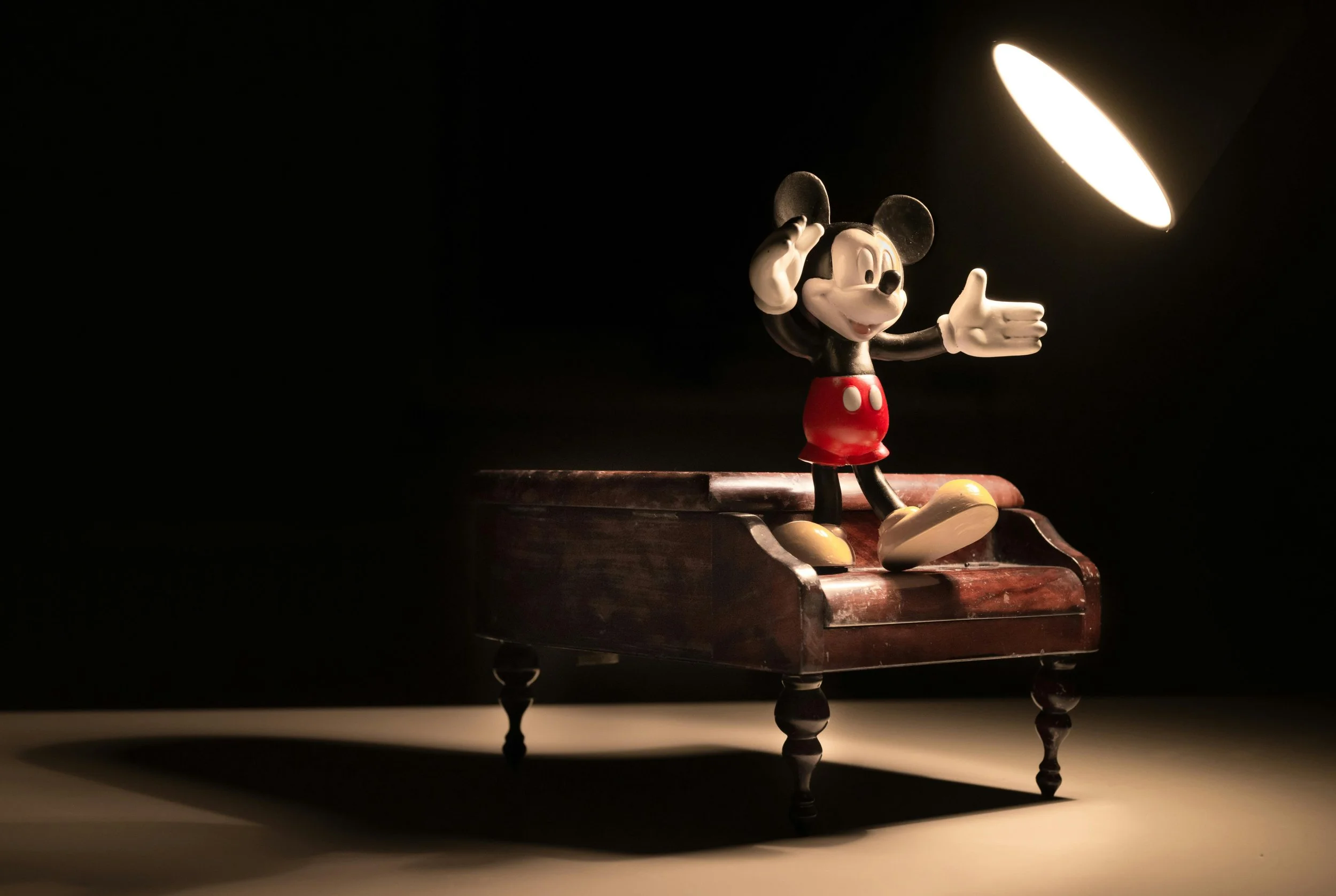
Can Fictional Characters Be Copyrighted? Legal Protection for Characters Explained
Can fictional characters be protected by copyright law? The answer is yes—but only if the character is sufficiently distinctive and clearly defined. In this article we explain: when and how fictional characters qualify for copyright protection. A must-read for writers, artists, and creative professionals working with intellectual property.
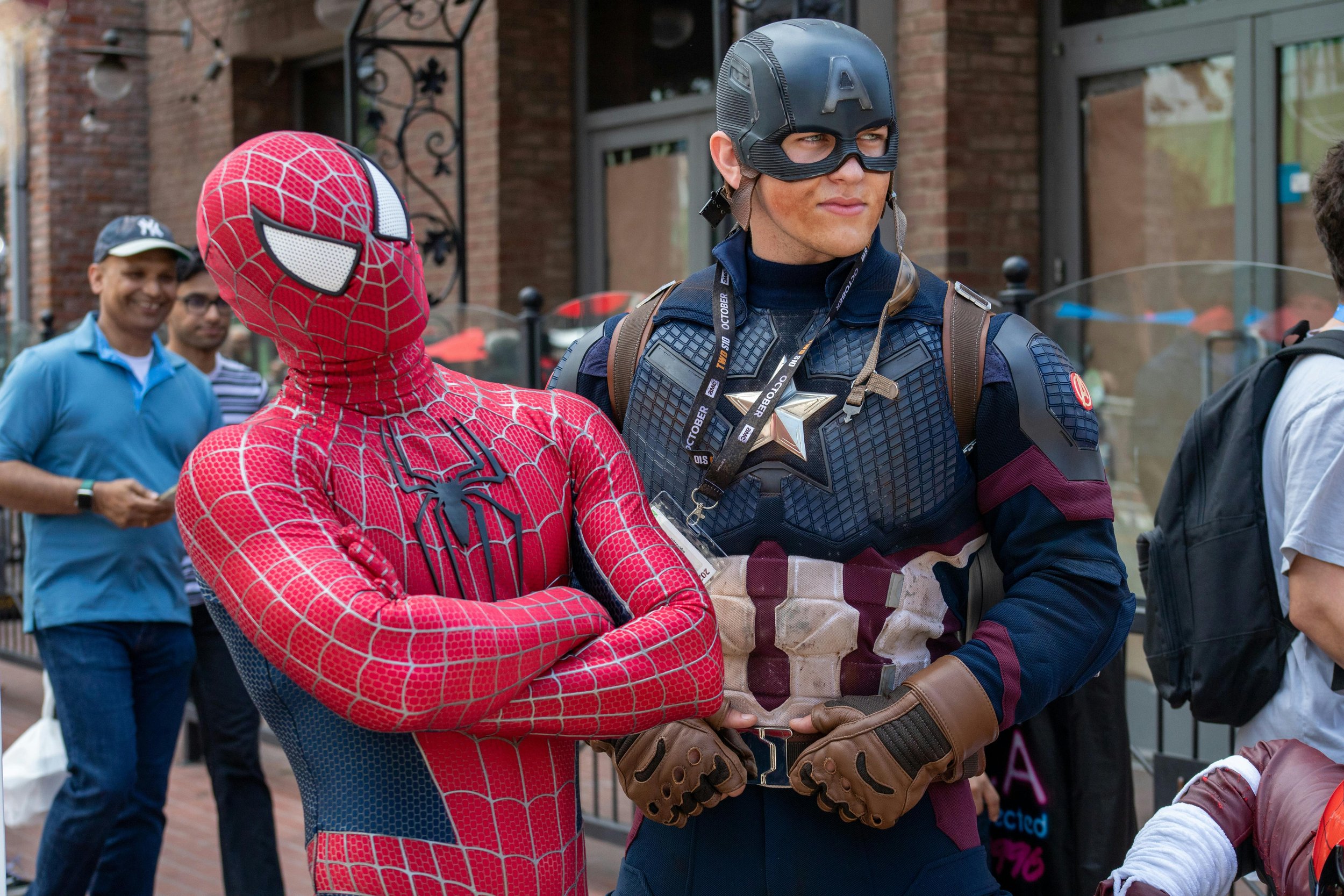
Can Fictional Characters Obtain Trademark Protection?
Many iconic characters—from superheroes to animated mascots—are protected not only by copyright but also by trademark law. In this article we explain when and how fictional characters qualify for trademark protection, and why trademark law plays a key role in entertainment franchises