Can Fictional Characters Obtain Trademark Protection?
Updated March 16, 2026
Creators, writers, and entertainment companies often invest significant time and resources into developing fictional characters. Over time, some of these characters become recognizable cultural icons. But this raises an important legal question: Can fictional characters receive trademark protection? The answer is yes—but only under certain conditions. Trademark law does not protect fictional characters simply because they exist in a story or creative work. Instead, trademark protection arises when a character is used as a brand identifier in commerce, meaning consumers associate that character with a particular source of goods or services.
What Is Trademark Protection?
Under the Lanham Act, a trademark is defined as any word, name, symbol, or device used to identify and distinguish the source of goods or services from those of others. Common examples of trademarks include:
brand names
logos
slogans
distinctive packaging
The core purpose of trademark law is to prevent consumer confusion regarding the origin of products or services. Unlike copyright law, which protects creative expression, trademark law protects identifiers that function as brands in the marketplace.
When Can a Fictional Character Become a Trademark?
A fictional character can receive trademark protection when the character is used in commerce in a way that identifies the source of goods or services. This often occurs when a character appears on:
merchandise
toys
clothing
video games
entertainment services
theme park attractions
In these situations, consumers begin to associate the character with a specific company or brand. To obtain trademark protection, the owner generally must show that the character:
Is distinctive and recognizable
Is used in commerce
Identifies the source of goods or services
Famous Fictional Characters Protected by Trademark Law
Some of the most famous fictional characters are protected by both copyright and trademark law. Examples include:
Mickey Mouse
Superman
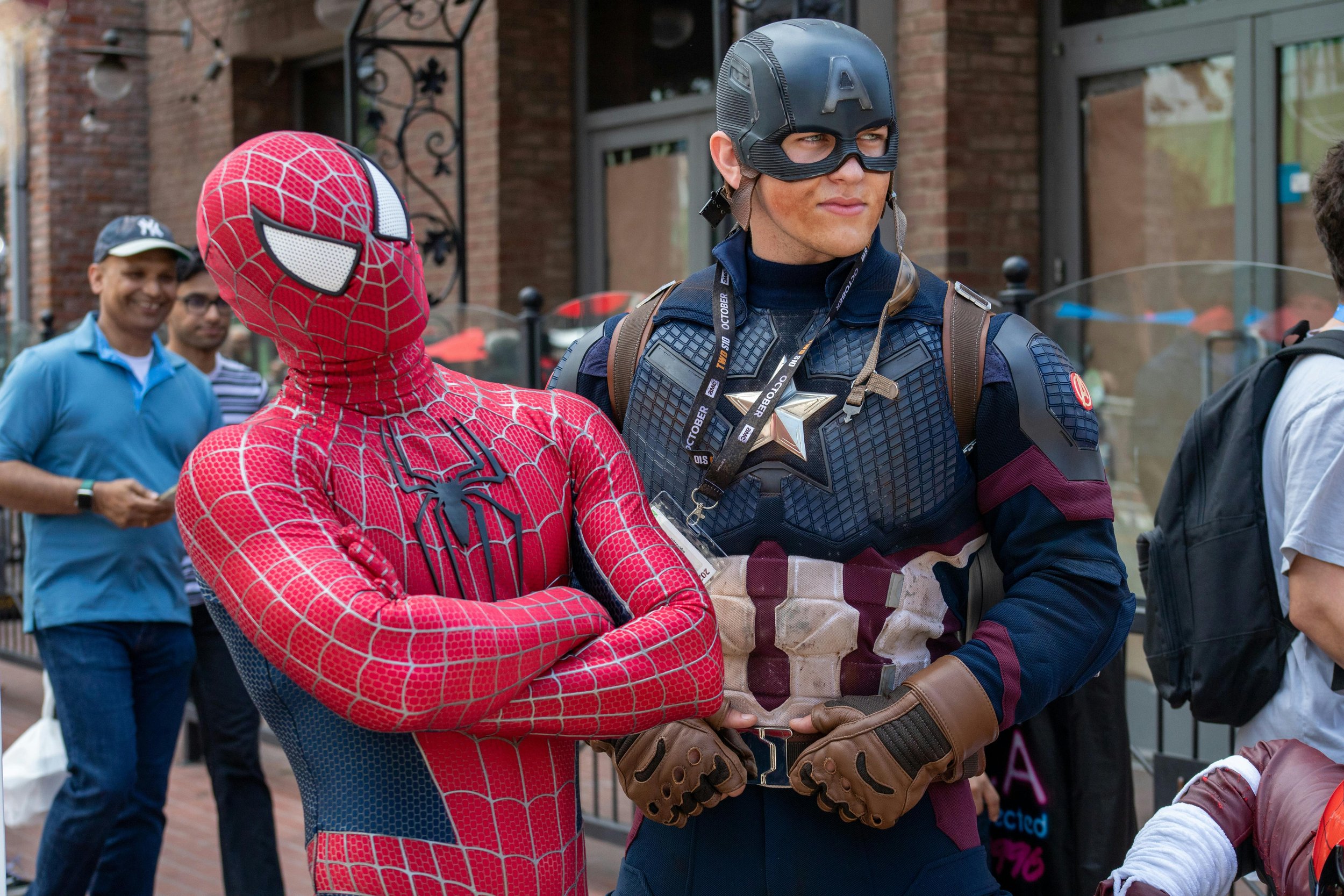
Captain America
Harry Potter
In these cases, copyright protects the creative expression of the character, while trademark protects the character as a commercial brand. For instance, even when certain early versions of Mickey Mouse entered the public domain, trademark rights can still protect the character’s name and modern designs when used to identify Disney products.
Trademark Protection Requires Use in Commerce
It is important to understand that a fictional character does not automatically receive trademark protection simply by being created. Trademark rights arise only when the character is actually used in connection with goods or services. For example:
A character appearing only in a novel may be protected by copyright, but not trademark.
If the same character is used on merchandise or in branding for entertainment services, it may then qualify for trademark protection.
Trademark rights are therefore closely tied to commercial use and consumer recognition.
Limits on Trademark Protection for Fictional Characters
Even when a character is protected by trademark law, there are important limitations. For example:
Distinctiveness is required - Generic or widely used characters may not qualify for trademark protection if they lack distinctiveness.
Trademark law cannot extend copyright indefinitely - Courts have held that trademark law cannot be used to effectively extend expired copyright protections over creative works.
First Amendment considerations - Trademark claims may fail when the use of a character appears in an expressive work such as commentary, parody, or artistic expression.
(If you’d like to learn more about how to legally protect your ideas from being stolen, read this article.)
Copyright vs. Trademark Protection for Fictional Characters
Many successful fictional characters benefit from both copyright and trademark protection, but these forms of intellectual property protect different aspects of the character.
Copyright protects:
the artistic expression of the character
stories, artwork, and creative depiction
Trademark protects:
the character as a brand identifier
commercial uses of the character in products and services
Because of this dual protection, entertainment companies often rely on both copyright and trademark law to protect their character portfolios.
(If you’d like to learn more about how to get copyright protection for your characters, read this article)
Conclusion
Fictional characters can receive trademark protection—but only when they function as identifiers of goods or services in commerce. Simply creating a character does not automatically create trademark rights. However, when a character becomes widely recognized and associated with a particular brand, trademark law can provide powerful legal protection. For creators and businesses building entertainment franchises, being clear on how trademark law applies to fictional characters is an important step in protecting valuable intellectual property.
MORE RESOURCES FOR YOU👇👇👇
📚 Related Guides on Trademarks & Intellectual Property
🔎 Legal Services for Trademarks & Businesses
Learn how we assist clients with:
👉 Registration, Licensing, and Enforcement of Intellectual Property Rights
🧠 Work With an Intellectual Property Lawyer
👉Schedule a consultation with an IP and Trademark lawyer.
📩 Contact Our Firm
Have questions about this article, our firm or services?
👉 Contact us for general inquiries
We are experienced music and entertainment lawyers in Miami, Florida, Puerto Rico and nationwide for select matters (SED Law, PLLC).
*This article is provided for informational purposes only, and does not constitute legal advice, counsel or representation.