Can Fictional Characters Be Copyrighted? Legal Protection for Characters Explained
Updated March 16, 2026
Many writers, filmmakers, game developers, and creators ask the same question: Can fictional characters themselves be protected under copyright law? The answer is yes—but only in certain circumstances. Copyright law protects original works of authorship, such as books, films, scripts, and artwork. However, the protection of fictional characters depends on whether the character is considered sufficiently distinctive and developed. This distinction is important for authors, studios, game developers, and other creative professionals who want to protect their intellectual property or avoid infringement risks.
What Is Copyright Protection?
Under the U.S. Copyright Act (17 U.S.C. §102), copyright protects original works of authorship fixed in a tangible medium of expression. These works may include:
literary works
motion pictures
dramatic works
musical compositions
artwork
software
Copyright protection gives the creator the exclusive right to reproduce, distribute, publicly perform, display, and create derivative works based on the original work. However, copyright law does not protect ideas, concepts, or general themes. Instead, it protects the specific expression of those ideas.
Can Fictional Characters Be Protected by Copyright?
Yes—fictional characters can receive copyright protection, but not automatically. Courts generally recognize copyright protection for fictional characters when the character is:
Sufficiently distinctive
Clearly delineated
More than a generic stock character
In other words, a character must have unique, recognizable attributes and traits that distinguish it from generic characters commonly used in storytelling. For example, a generic character such as, “a detective”, “a wizard”, or “a superhero”.
would not receive protection by itself. However, a fully developed character with a specific personality, backstory, and recognizable traits may qualify for copyright protection.
(If you’d like to learn more about how to cancel someone’s copyright, read this article)
When Fictional Characters Are NOT Protected
Not every fictional character receives copyright protection. Courts often deny protection for characters that are considered:
stock characters
generic archetypes
minimally developed
Examples might include: the “mad scientist”, the “hard-boiled detective”, or the “evil villain”
These types of characters are considered common storytelling elements that belong to the public domain of ideas rather than protectable expression. This legal principle is sometimes referred to as the “scènes à faire doctrine,” which excludes common narrative elements that naturally flow from a genre.
Famous Examples of Protected Characters
Several fictional characters have been recognized as protectable under copyright law due to their distinctive attributes. Examples include: James Bond, Sherlock Holmes, Batman and Rocky Balboa.
Copyright vs. Trademark Protection for Characters
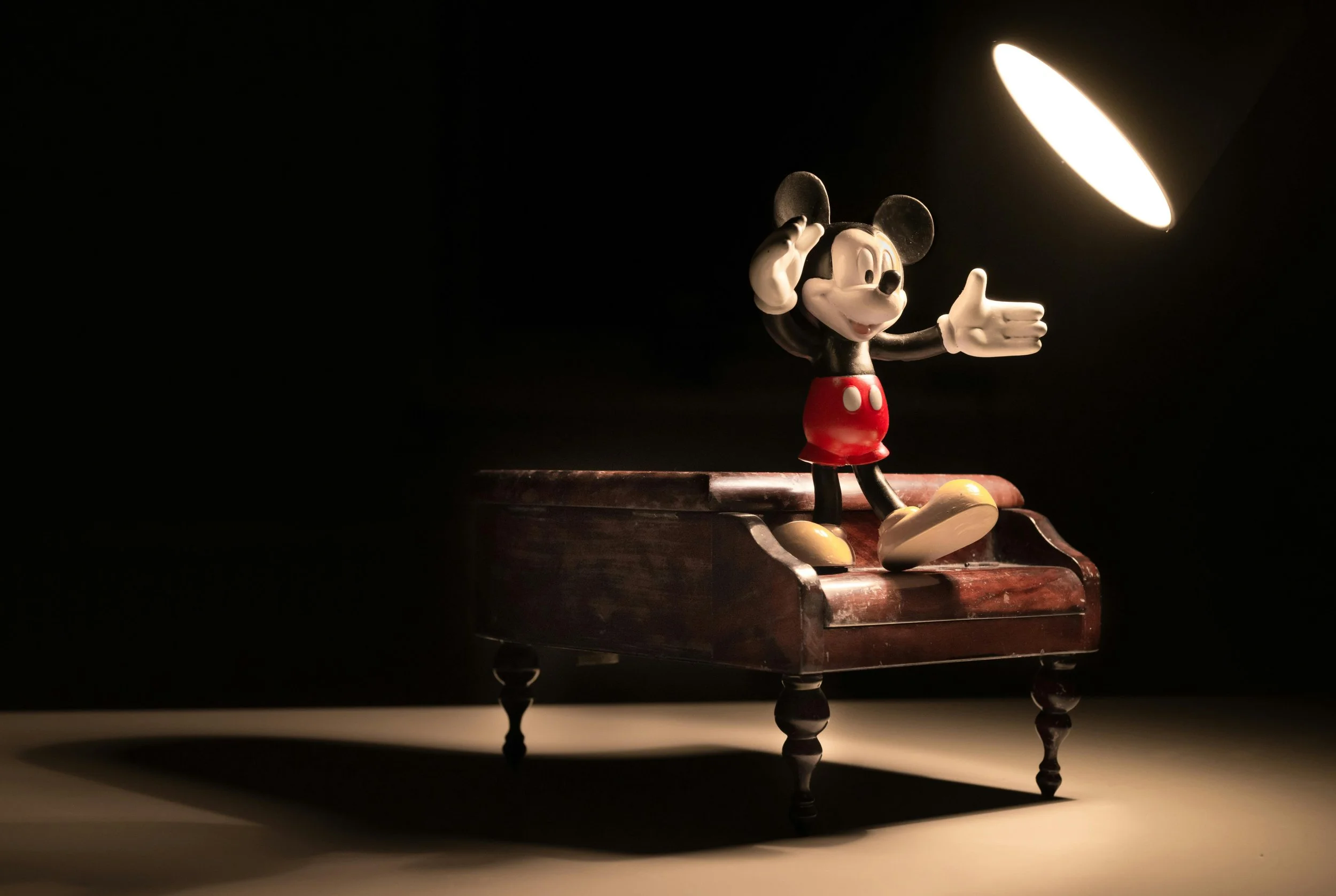
In many cases, well-known fictional characters are protected not only by copyright law, but also by trademark law. Trademark protection applies when a character becomes associated with a brand or commercial identity. For example: Mickey Mouse, Spider-Man, Harry Potter.
These characters function not only as creative works but also as brand identifiers, which allows their owners to enforce trademark rights against unauthorized commercial uses. This dual protection is one reason why major entertainment companies aggressively protect their character portfolios.
(If you’d like to learn more about how to trademark your characters, read this article
Why Character Protection Matters for Creators
Having a solid grasp on how copyright protection applies to fictional characters is critical for writers, filmmakers, game developers, comic creators, studios and publishers. Creating a distinctive and well-developed character can strengthen intellectual-property protection and increase the long-term commercial value of creative works. Iconic characters often become the foundation for:
film franchises
television series
merchandise
licensing opportunities
video games
theme parks
In many cases, the character itself becomes the most valuable asset of the creative property.
Conclusion
Fictional characters can receive copyright protection, but only when they are distinctive, clearly defined, and sufficiently developed. Generic characters or broad storytelling archetypes generally do not qualify for protection, but iconic characters with unique attributes often do. For creators and businesses working in entertainment, publishing, gaming, or digital media, these legal concepts are an essential building block for protecting original works and avoiding infringement risks.
MORE RESOURCES FOR YOU👇👇👇
📚 Related Guides on Copyrights & Intellectual Property
🔎 Legal Services for Creators & Businesses
Learn how we assist clients with:
👉 Registration, Licensing, and Enforcement of Intellectual Property Rights
🧠 Work With an Intellectual Property Lawyer
👉Schedule a consultation with a Copyright lawyer.
📩 Contact Our Firm
Have questions about this article, our firm or services?
👉 Contact us for general inquiries
(We are experienced music and entertainment lawyers in Miami, Florida, Puerto Rico and nationwide for select matters (SED Law, PLLC).
*This article is provided for informational purposes only, and does not constitute legal advice, counsel or representation.