Can Artists Stop Politicians From Playing Their Songs at Campaign Events?
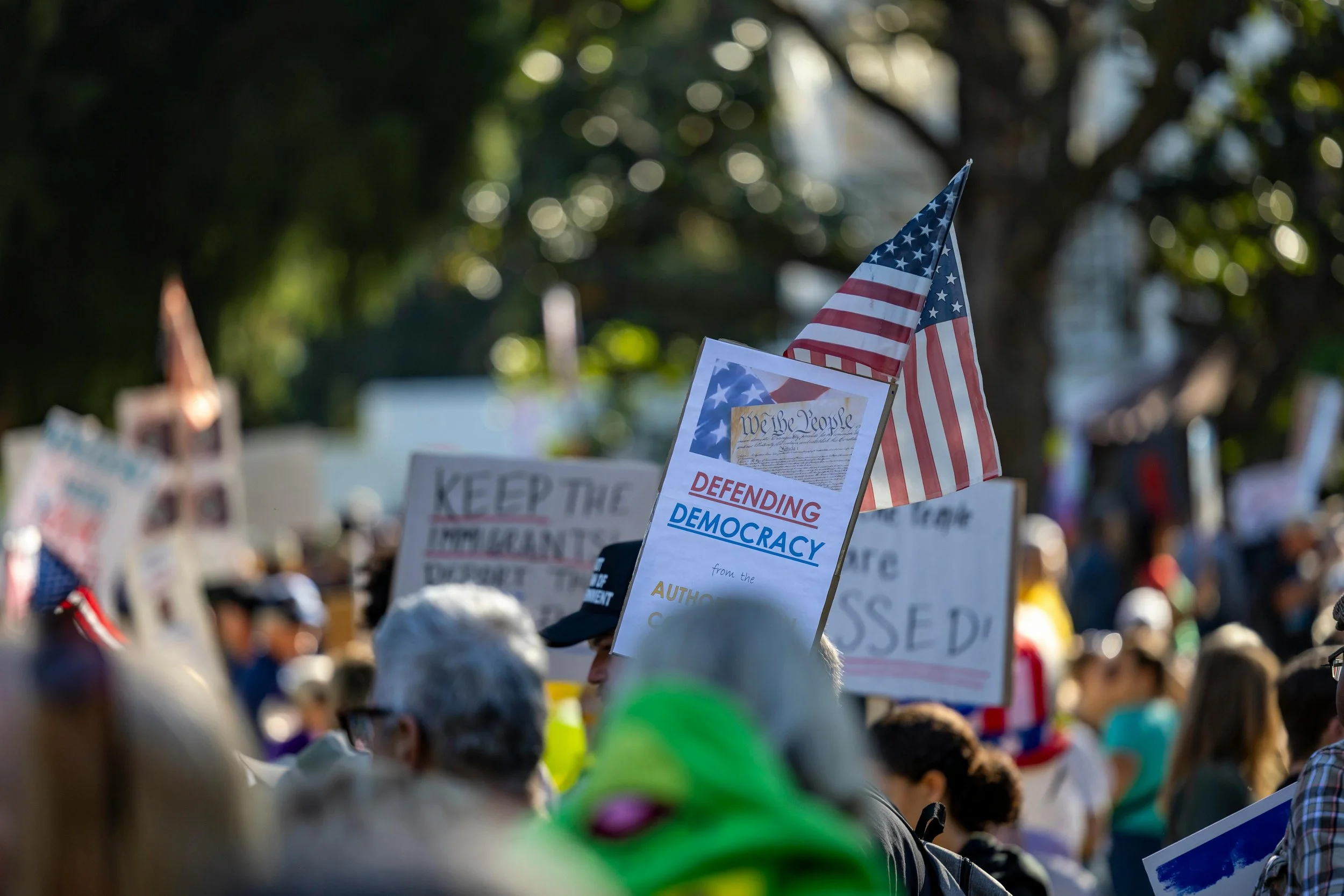
Updated March 12, 2026The use of music at political rallies has become a recurring source of controversy in recent years. Many artists have publicly objected to their songs being used during campaign events or political gatherings they do not support. But can artists legally stop politicians or political organizations from playing their music at public events?
The answer depends largely on copyright licensing, performance rights organizations (PROs), and other legal doctrines such as trademark and right of publicity laws. Understanding how these legal frameworks operate helps explain why some artists succeed in preventing political use of their music, and why others struggle to do so.
Do I Need Permission to Play a Song at a Public Event or Venue?
In most cases, yes. Songs are protected by copyright law, and the public performance of a copyrighted musical work typically requires a license. Under the U.S. Copyright Act, the copyright owner of a musical composition holds the exclusive right to perform the work publicly. A public performance can include situations such as:
• concerts
• live events
• bars and restaurants
• sporting events
• radio and television broadcasts
• political rallies
Because it would be impractical for event organizers to negotiate licenses with every songwriter individually, public performance rights are typically administered through Performance Rights Organizations (PROs). These organizations provide licenses that allow venues and event organizers to legally play music from millions of songs in their catalogs.
What Is a Performance Rights Organization (PRO)?
Most songwriters and publishers affiliate with Performance Rights Organizations (PROs) to manage the licensing of public performances of their music. A PRO is responsible for:
• licensing the public performance of songs
• collecting performance royalties
• distributing royalties to songwriters and publishers
Whenever a song is performed publicly—whether on television, radio, streaming platforms, or at a live venue—the copyright holder may be entitled to royalty payments. Businesses and event organizers typically purchase blanket licenses from PROs. These licenses allow them to play any song in the PRO’s catalog without negotiating individual licenses. The largest PROs in the United States include:
• ASCAP (American Society of Composers, Authors and Publishers)
• BMI (Broadcast Music, Inc.)
• SESAC
If music is publicly performed without obtaining the appropriate license, the venue or organizer may be liable for copyright infringement.
(If you’d like to learn more about what is a performance rights organization (PRO), read this article)
Can Artists Stop Their Songs From Being Played at Political Events?
Whether an artist can stop a political campaign from using their music often depends on how the music is licensed. Many political campaigns obtain a blanket public performance license from a PRO. These licenses generally allow the campaign to play any music in the PRO’s catalog at campaign events. However, some PROs have created special licenses specifically for political entities and campaigns. For example, organizations like BMI and ASCAP offer licenses tailored to political campaigns and organizations. These licenses allow campaigns to play music from the PRO’s catalog at political events. Importantly, certain PROs allow songwriters to opt out of political use of their music under these specific licenses. When a songwriter chooses to exclude a song from a political campaign license, that song can no longer be legally performed at political events under that license.
(If you’d like to learn more about what is fair use and how can you use someone’s works without permission, read this article)
The Rolling Stones and the Trump Campaign Dispute
One high-profile example of this issue involved The Rolling Stones and the 2020 Trump presidential campaign. During several campaign rallies, the Trump campaign played the Rolling Stones’ 1968 song “You Can’t Always Get What You Want.” The campaign reportedly obtained a political campaign license from BMI, which generally allowed the campaign to perform songs from BMI’s catalog.
However, according to BMI, the Rolling Stones exercised their right under BMI’s political license framework to exclude their songs from political campaign use. Once the exclusion was implemented, the continued use of the song could potentially constitute a breach of the license agreement and copyright infringement. This dispute highlights the tension between political campaign licensing practices and artists who object to their music being associated with political causes.
Are There Legal Limits on PRO Restrictions?
Some commentators have questioned whether artists can fully restrict the political use of their music through PRO licenses. This issue arises because some PROs operate under consent decrees with the U.S. Department of Justice, which require them to license their catalogs broadly and on nondiscriminatory terms. As a result, there has been ongoing debate about how much control artists truly have over restricting political use through PRO licensing structures. Despite these debates, many campaigns have voluntarily stopped using certain songs after artists publicly objected.
Other Legal Strategies Artists Use to Stop Political Music Use
Even when copyright licensing allows the use of a song, artists have sometimes relied on other legal theories to challenge political use of their music. Two of the most common arguments involve right of publicity claims and false endorsement under trademark law.
Right of Publicity Laws
Many U.S. states recognize right of publicity laws, which protect individuals from unauthorized commercial use of their name, image, likeness, or identity. Artists have argued that the use of their music at political rallies may imply their personal endorsement of a candidate, thereby misappropriating their identity. These laws vary significantly by state, but in some cases they can provide an additional legal basis to challenge the use of music in political campaigns.
(If you’d like to learn more about how what are the legal implications of creating a deepfake of someone, read this article)
False Endorsement Under the Lanham Act
Another argument sometimes raised by artists involves false endorsement claims under the Lanham Act. Under Section 43(a) of the Lanham Act, a party may bring a claim when the use of a mark or identity creates a false impression of sponsorship, approval, or affiliation. Artists have argued that playing their songs at campaign events may mislead audiences into believing that the artist endorses the candidate or political message. While courts have addressed these claims in several disputes, the outcomes often depend on the specific facts of each case.
(If you’d like to learn more about how does trademark law protect your brand, read this article)
Conclusion
Political campaigns often rely on public performance licenses from PROs to play music at rallies and campaign events. However, these licenses do not always guarantee unrestricted use. Artists may still be able to challenge the use of their music by:
• opting out of political licenses offered by PROs
• asserting right of publicity claims
• pursuing false endorsement claims under trademark law
Because the intersection of copyright law, political speech, and licensing agreements is complex, disputes over music at political events continue to arise during election cycles.
MORE RESOURCES FOR YOU👇👇👇
📚 Related Guides on Music, Royalties & Contracts
🔎 Legal Services for Music Business
Learn how we assist clients with:
👉 Music Contracts, Royalties, and Rights Management for Artists, Labels and Managers.
🧠 Work With a Music & Entertainment Lawyer
👉Schedule a consultation with a music and entertainment lawyer.
📩 Contact Our Firm
Have questions about this article, our firm or services?
👉 Contact us for general inquiries
We are experienced music and entertainment lawyers in Miami, Florida, Puerto Rico and nationwide for select matters (SED Law, PLLC).
*This article is provided for informational purposes only, and does not constitute legal advice, counsel or representation.