
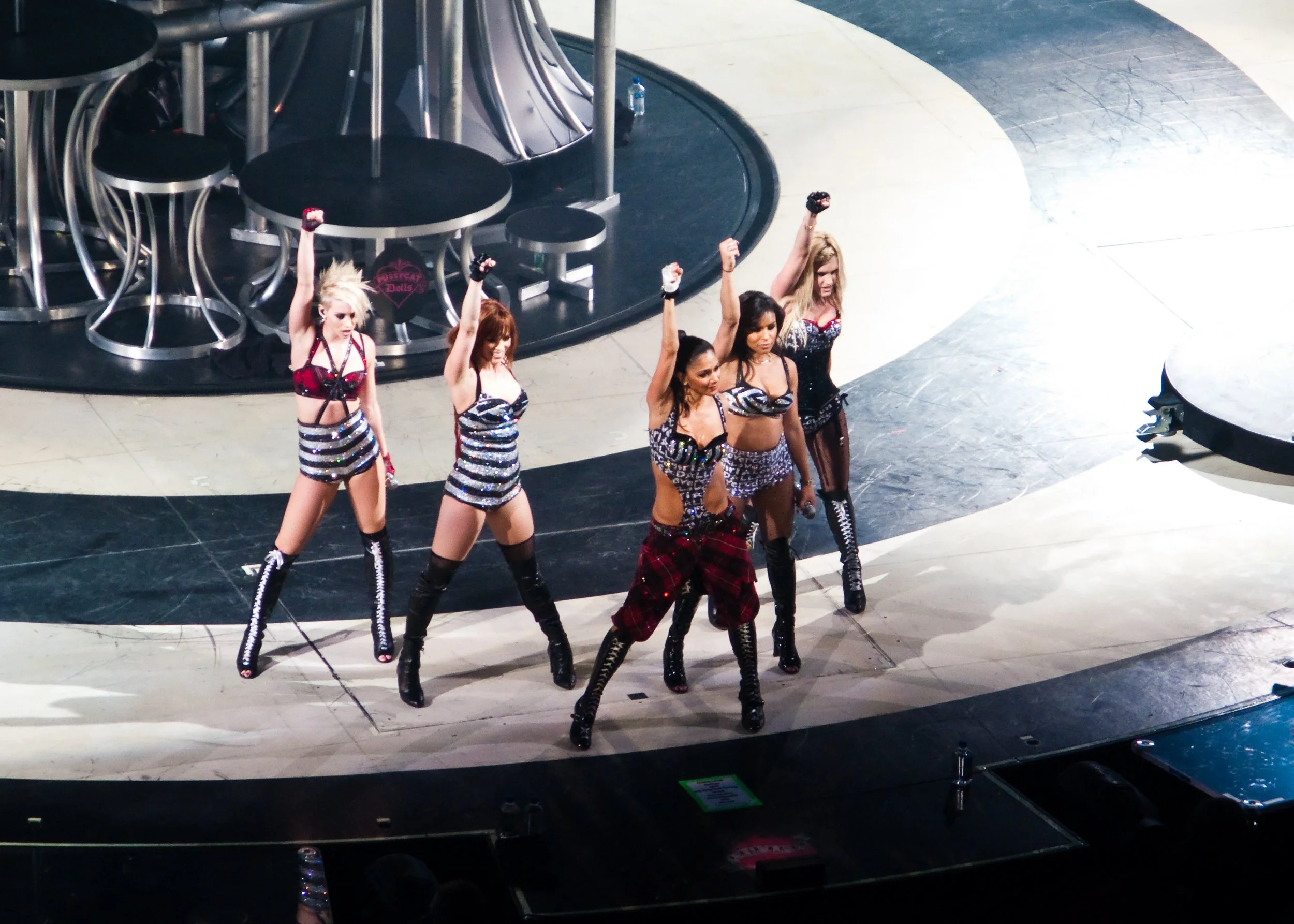
¿Porqué se están Cancelando Tantas Giras Musicales? Un Análisis del Fenómeno del “Blue Dot Fever”
Las recientes cancelaciones de giras han popularizado un nuevo término en la música en vivo: “Blue Dot Fever.” Pero los asientos vacíos son solamente el síntoma visible. Detrás de cada concierto existe un modelo financiero que determina si el evento sigue siendo viable. Analizamos casos recientes como Pussycat Dolls y Meghan Trainor para explicar el documento financiero más importante de la música en vivo: el P/L.
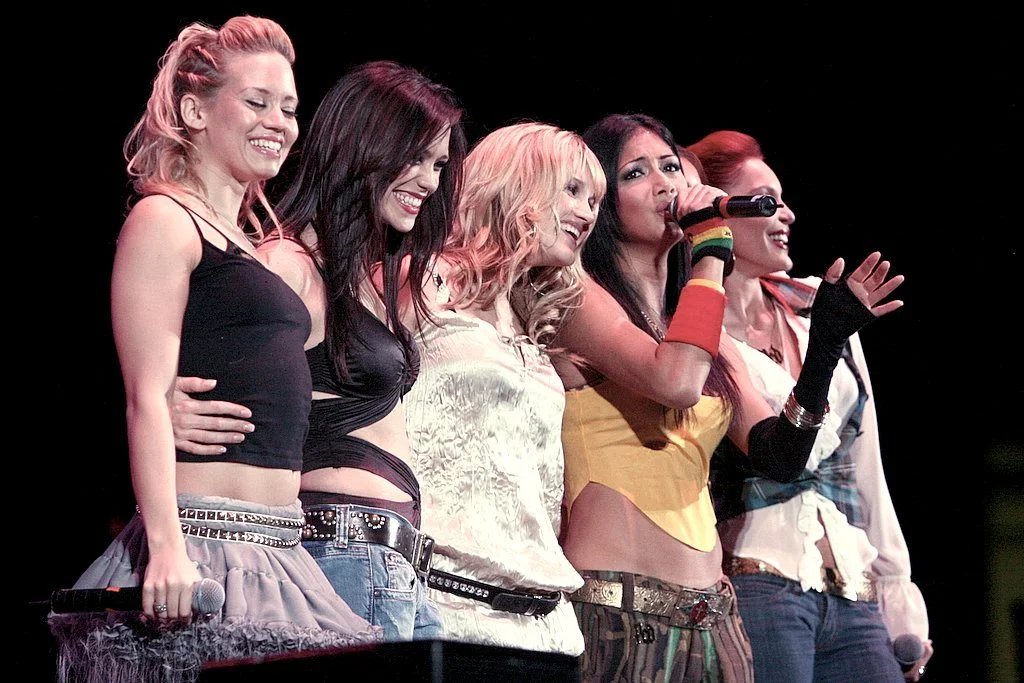
Blue Dot Fever: What Recent Tour Cancellations Tell Us About the Most Important Document in Live Music — The Profit & Loss Statement
Recent tour cancellations have generated a new phrase in live music: “Blue Dot Fever.” But empty seats are only the visible symptom. Behind every tour lies a financial model determining whether the show still makes economic sense. We examine recent cancellations involving the Pussycat Dolls, Meghan Trainor and others to explain the most important financial document in live entertainment: the concert Profit & Loss Statement.
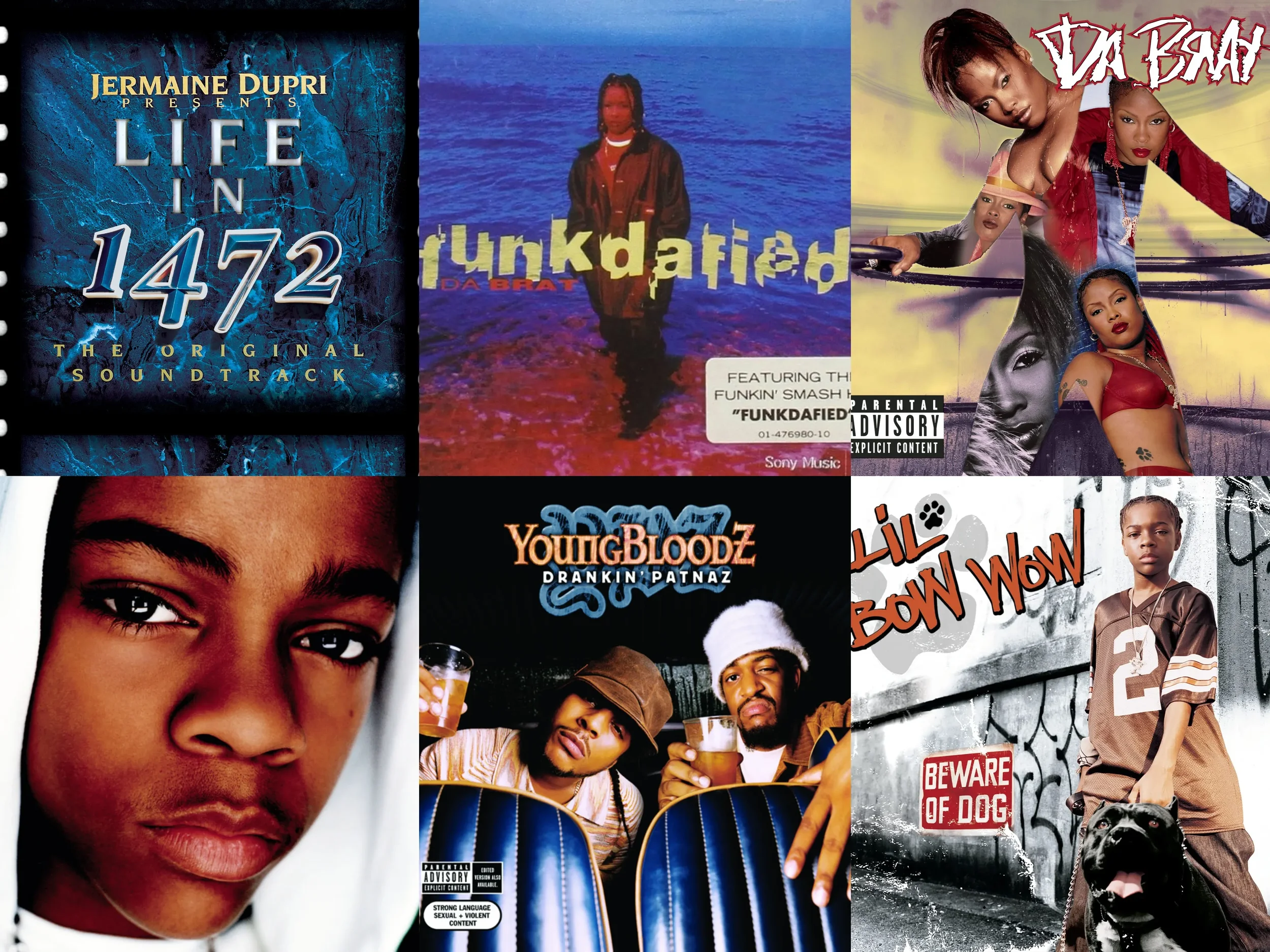
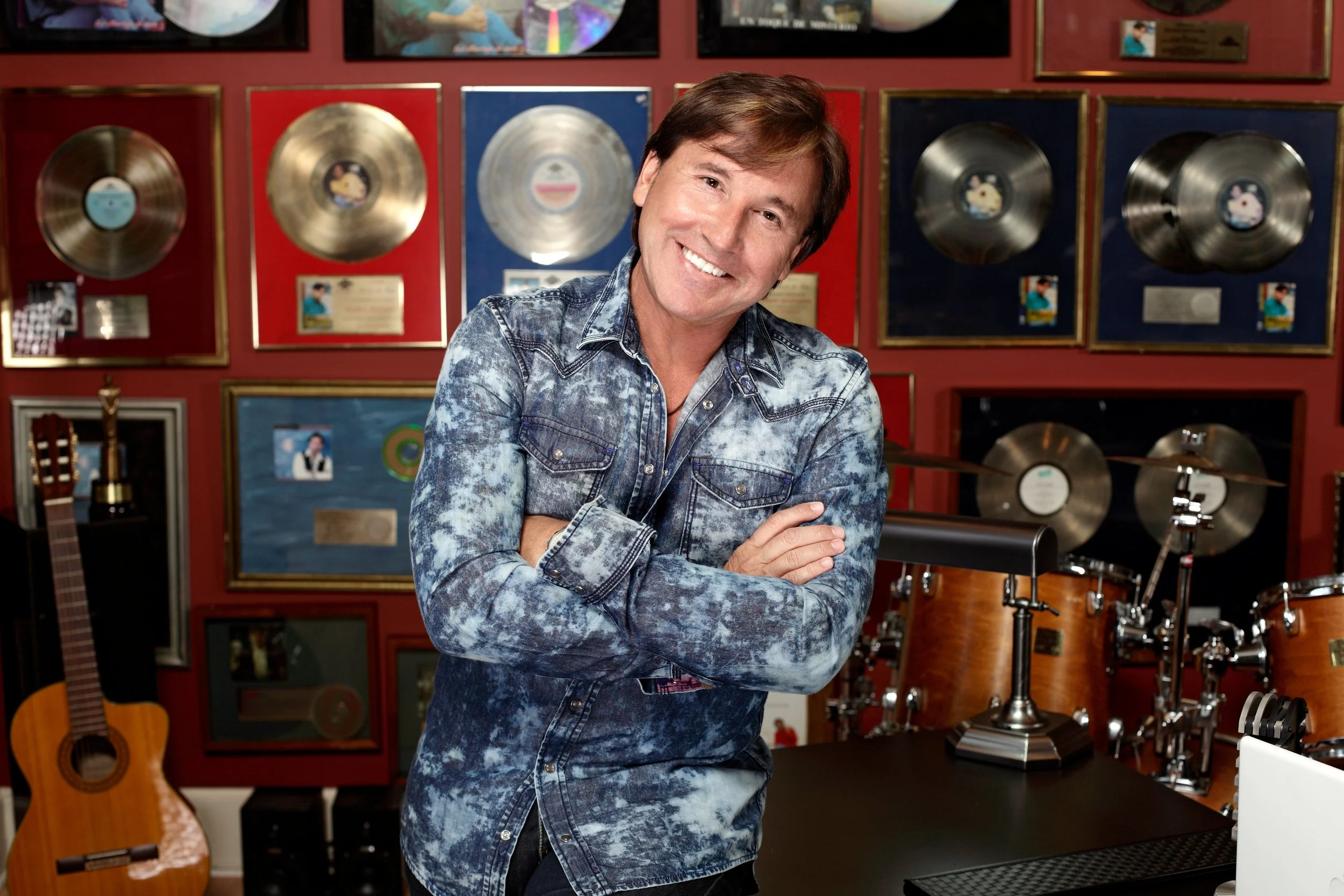
Las Demandas de Ricardo Montaner y Jermaine Dupri: Lo Que Revelan Sobre Cláusulas Ocultas en Contratos Musicales
A través de las recientes demandas presentadas por Ricardo Montaner y Jermaine Dupri, este artículo analiza las cláusulas contractuales que con mayor frecuencia originan disputas millonarias dentro de la industria musical, incluyendo la propiedad de los másters, las regalías, las auditorías contractuales y los derechos de reversión.
What Recent Record Label Lawsuits Reveal About the Hidden Clauses in Music Contracts
Why do artists sue the very record labels that helped launch their careers? Through recent lawsuits involving Ricardo Montaner and Jermaine Dupri, this article explores the hidden contractual provisions that often become the center of multimillion-dollar disputes—including ownership of master recordings, royalty accounting, audit rights, recoupment, chain of title, and reversion rights.
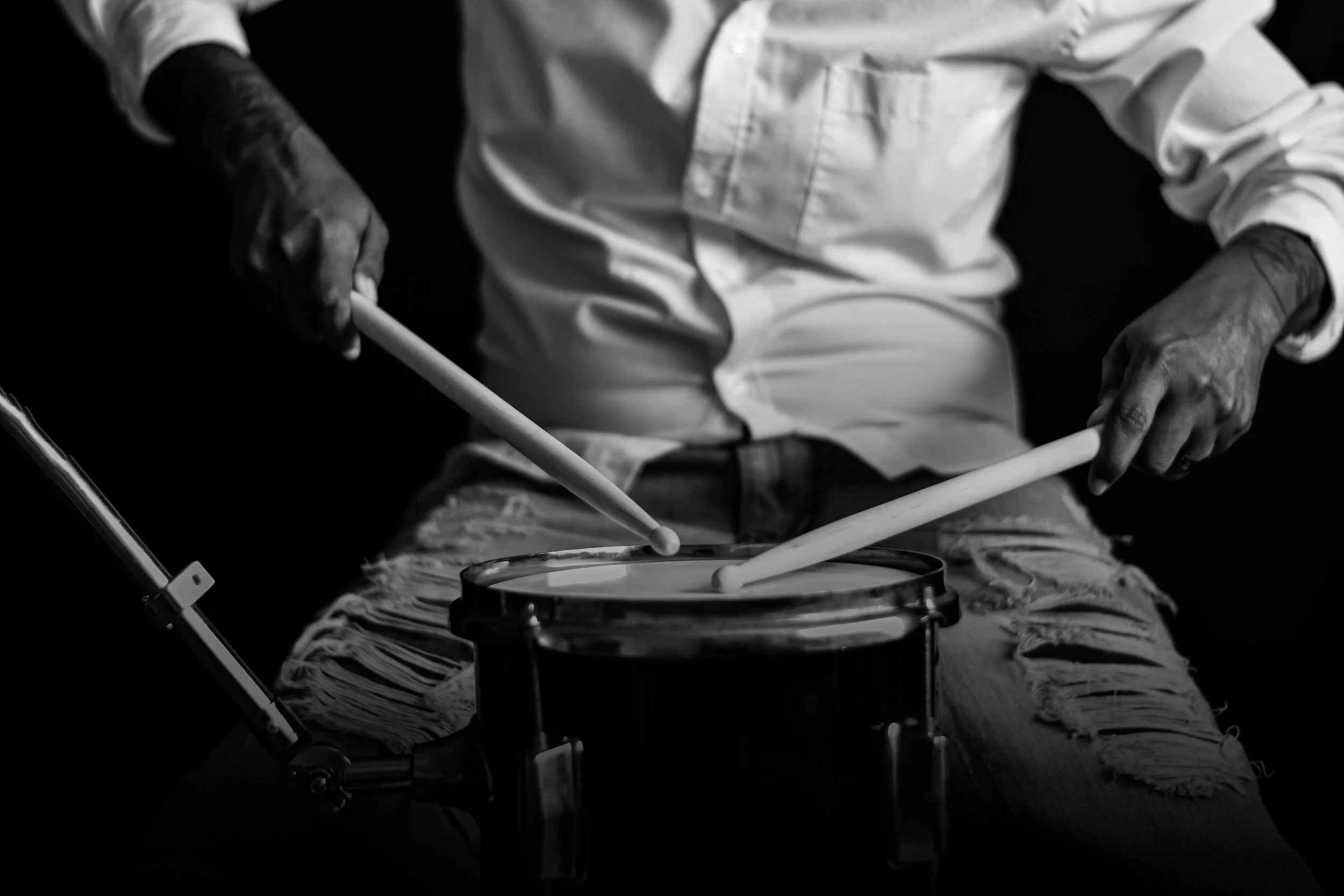
¿Se Puede Proteger un Ritmo Musical? Analizando el Caso “Dembow” que Podría Redefinir la Industria Musical
¿Puede un ritmo musical estar protegido por derechos de autor? Analizamos el caso de "Dembow" presentado por los productores jamaiquinos Steely and Clevie, en contra de artistas como Bad Bunny, Daddy Yankee, Karol G y otros, que busca reclamar regalías de miles de canciones de reggaeton.

Cómo Crear un Negocio de Música con Inteligencia Artificial: Derechos de Autor, Monetización, y los Riesgos Legales que Debes Conocer
La inteligencia artificial está transformando la industria musical. Hoy cualquier persona puede crear canciones, distribuirlas en Spotify, monetizarlas en YouTube y construir una marca utilizando herramientas de IA. Sin embargo, también existen importantes consideraciones legales relacionadas con los derechos de autor, las licencias de las plataformas, y las políticas de monetización. En esta guía analizamos todo lo que necesitas saber para desarrollar un negocio legítimo de música con inteligencia artificial.
How to Build an AI Music Business: Monetization, Copyright, YouTube Policies, and the Legal Risks Every Creator Should Know
Artificial intelligence has dramatically lowered the barriers to entering the music industry, but it has not eliminated the legal rules that govern it. Whether you're creating AI-generated songs for YouTube, Spotify, commercial licensing, or social media, this comprehensive guide explains how creators can legally monetize AI-generated music while avoiding the most common legal and business pitfalls.
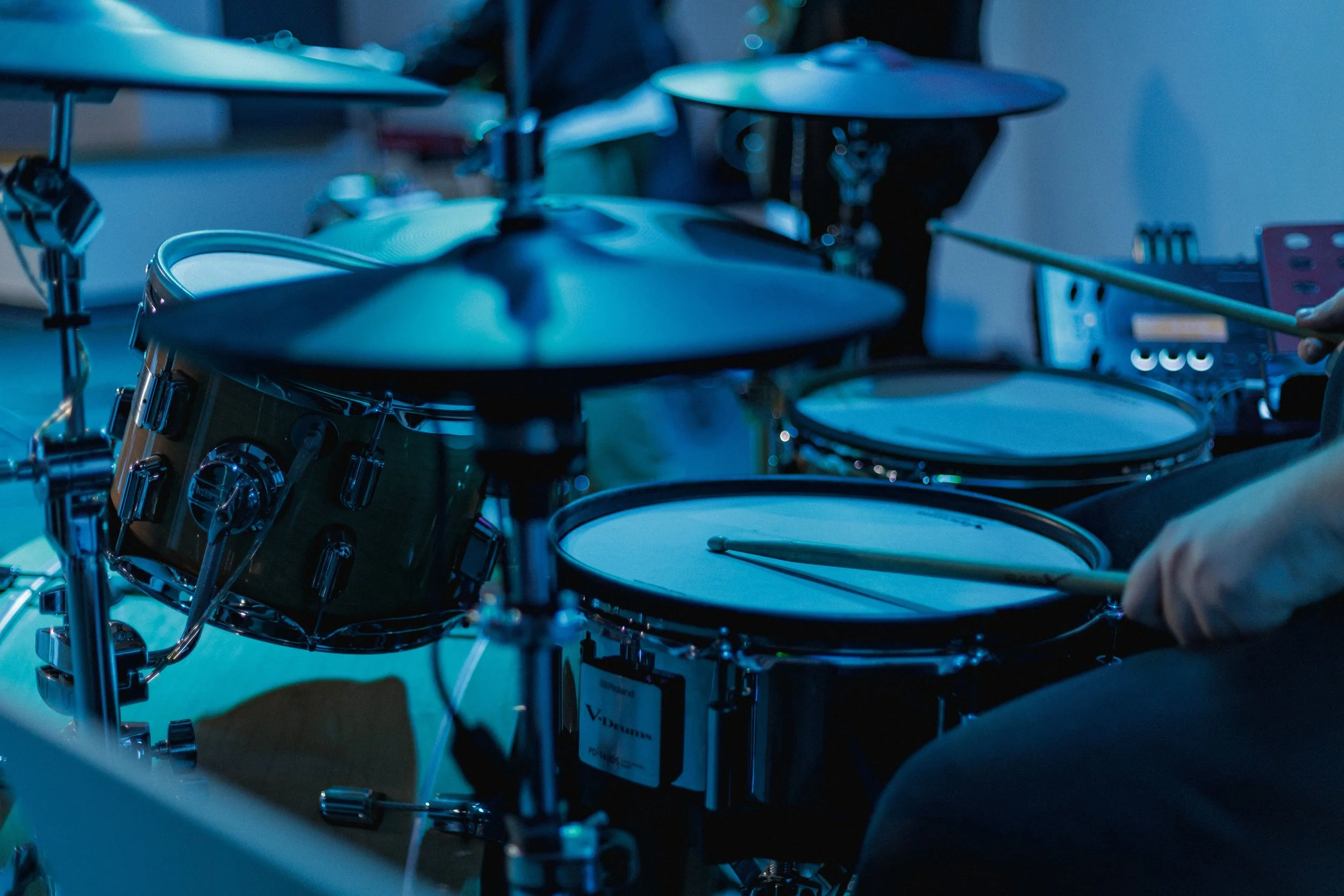
Can a Rhythm Be Copyrighted? Inside the Dembow Lawsuit That Could Reshape Music Law
Can someone own a rhythm? That question lies at the heart of one of the most significant music copyright lawsuits in recent years. This article examines the “Dembow” litigation involving Steely & Clevie, explains the copyright doctrines shaping the case, and explores what the outcome could mean for reggaeton, sampling, music publishing and the future of copyright law.
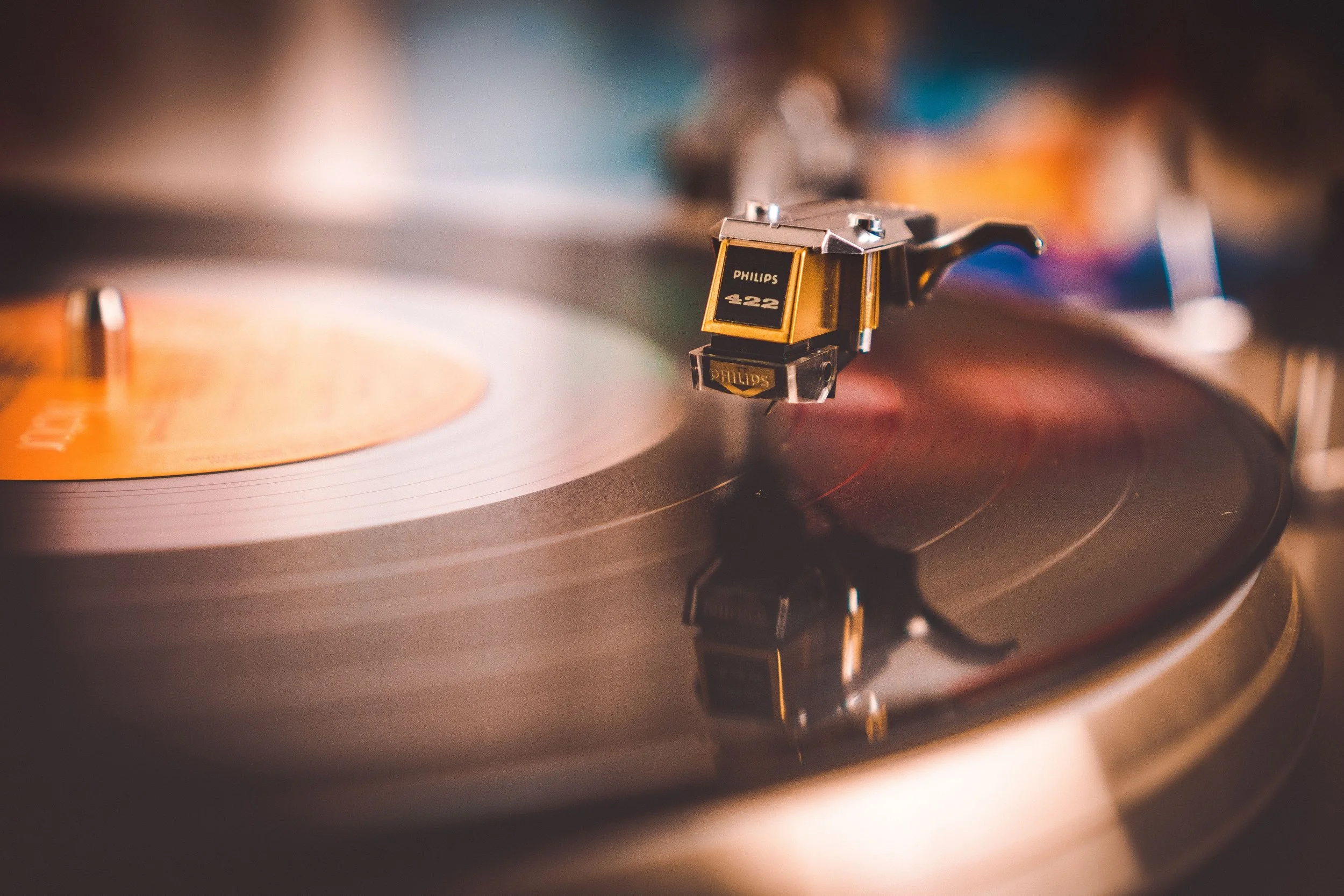
Are Old Music Recordings in the Public Domain? The Definitive Guide for Works Published Before 1972
Many creators assume that old music recordings automatically belong to the public domain. In reality, determining whether a historic recording is still protected requires analyzing the musical composition, sound recording, copyright laws, and the changes introduced by the Music Modernization Act. This guide explains how copyright protection applies to recordings published before 1972, and what creators should consider before using them.
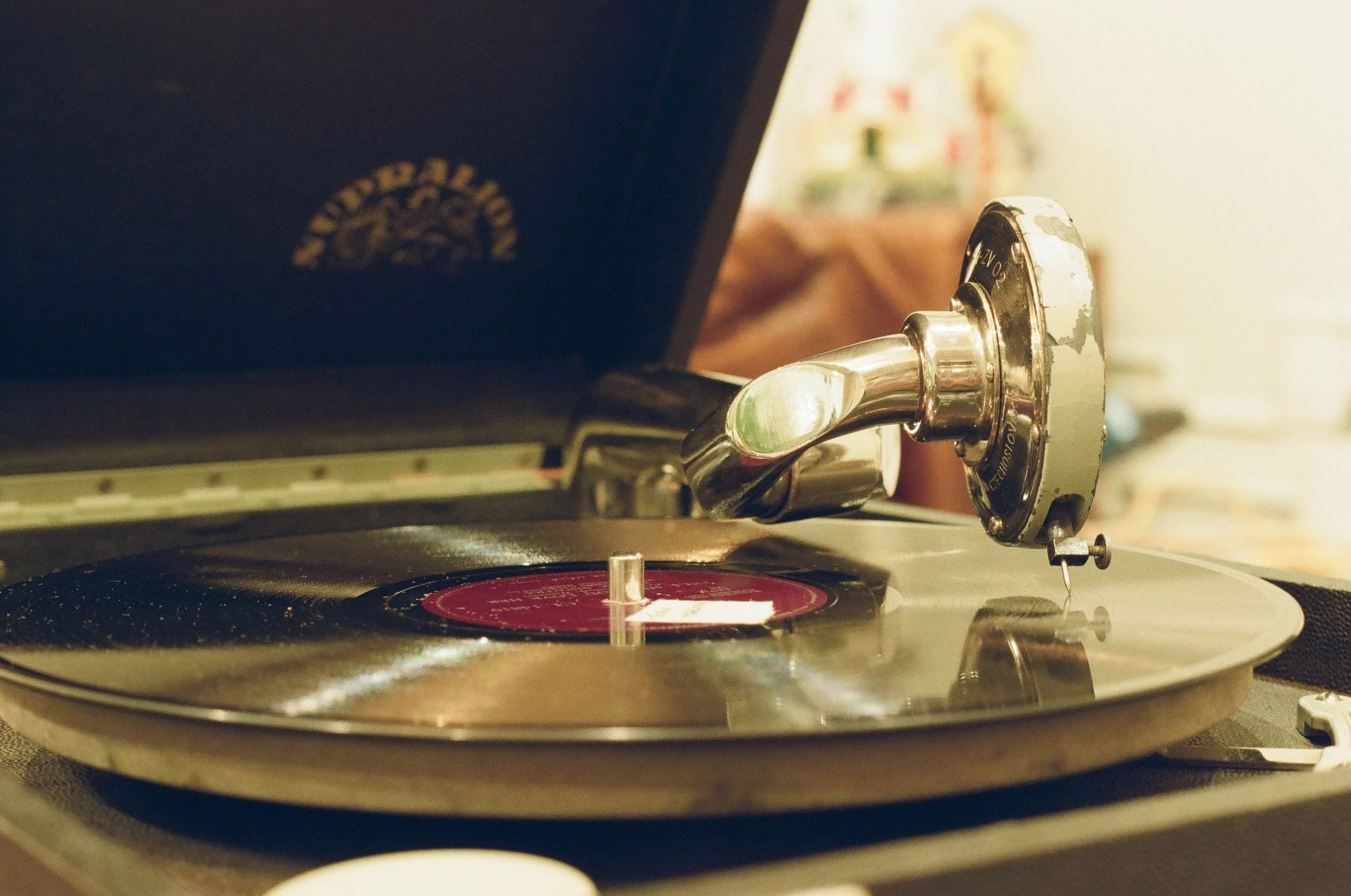
¿Las Grabaciones Musicales Antiguas Están en el Dominio Público? La Guía Definitiva para Obras Publicadas Antes de 1972
No toda grabación musical antigua pertenece al dominio público. Las composiciones musicales y las grabaciones sonoras pueden estar sujetas a regímenes distintos de protección, especialmente cuando fueron publicadas antes del 15 de febrero de 1972. La Music Modernization Act transformó el tratamiento legal de estas grabaciones y hace indispensable analizar cada caso antes de reutilizar una obra histórica.

Intellectual Property and Legal Issues Every Content Creator Should Understand
Creating content has never been easier—but publishing online comes with legal risks that many creators overlook. From copyright claims and Fair Use disputes to trademark issues and rights of publicity, content creators face a growing number of legal challenges as their audiences expand. This article explores the most common legal issues creators encounter and how to reduce risk while building a digital brand.
Fair Use and YouTube: Why a Disclaimer Will Not Protect You from Copyright Claims
Many creators think "If I put a Fair Use disclaimer in my video, I'm protected." Unfortunately, that's not how copyright law works. Many creators mistakenly believe that phrases like Copyright disclaimers automatically shield them from copyright claims. In reality, Fair Use is a legal defense that depends on a fact-specific analysis—not a disclaimer. This article explains how Fair Use actually works for YouTube videos.
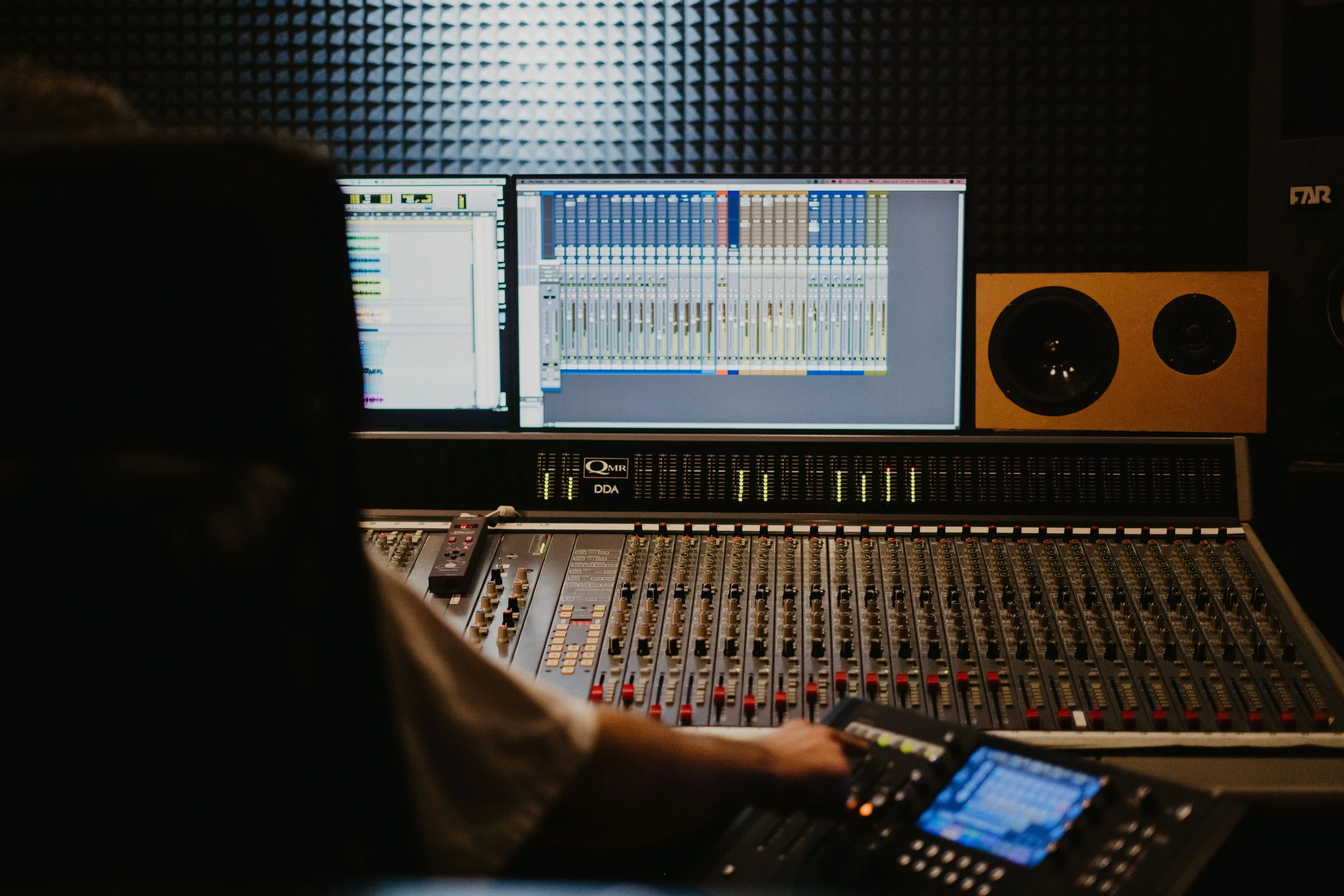
Who Gets Paid by SoundExchange? Understanding Featured Artist Royalties Under U.S. Copyright Law
Many artists understand publishing royalties. Few understand SoundExchange. Every year, millions of dollars are generated from digital performances on services like Pandora, SiriusXM, and internet radio. Federal law requires those royalties to be distributed among record labels, featured artists, and non-featured performers—but who gets paid, and why? This article breaks down the Digital Performance Right in Sound Recordings Act.

Should You Form a New LLC for a Joint Venture? Legal Risks, Liability, and Structuring Considerations
Should two companies form a new LLC before launching a joint venture? While many businesses prefer the simplicity of operating through a contractual arrangement, doing so can create significant legal, tax, liability, and intellectual property risks if not properly structured. This article explores the advantages and disadvantages of operating a joint venture without a separate entity and outlines practical strategies for reducing risk while preserving flexibility.
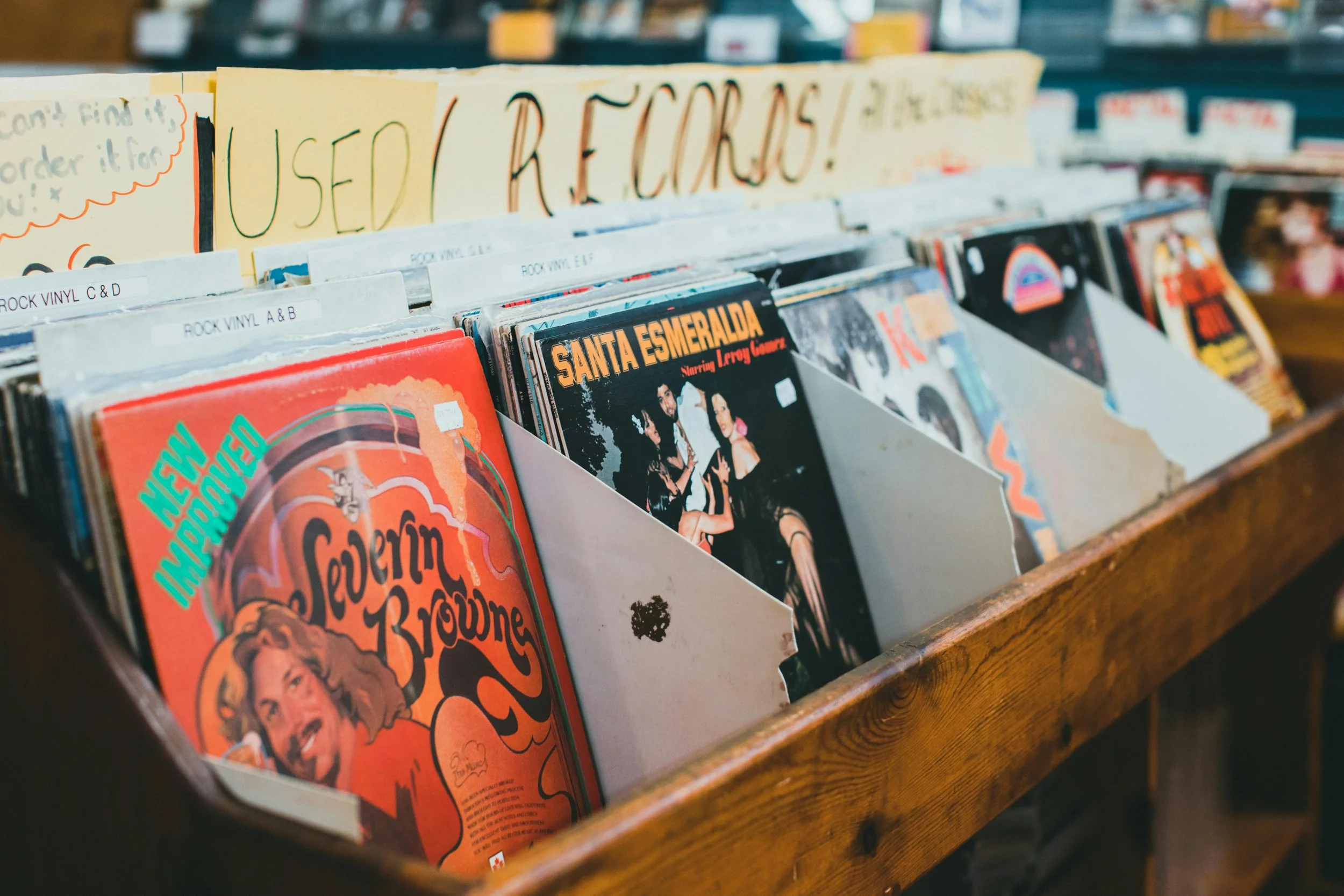
The Tax Implications of Selling a Music Catalog
Music catalog sales can generate life-changing wealth — but without proper planning, taxes can dramatically impact the final proceeds. As catalog acquisitions continue to dominate the music industry, artists, songwriters, producers, and rights holders are increasingly evaluating the tax implications of selling music rights. We break down the major legal and tax concepts behind modern music catalog transactions.
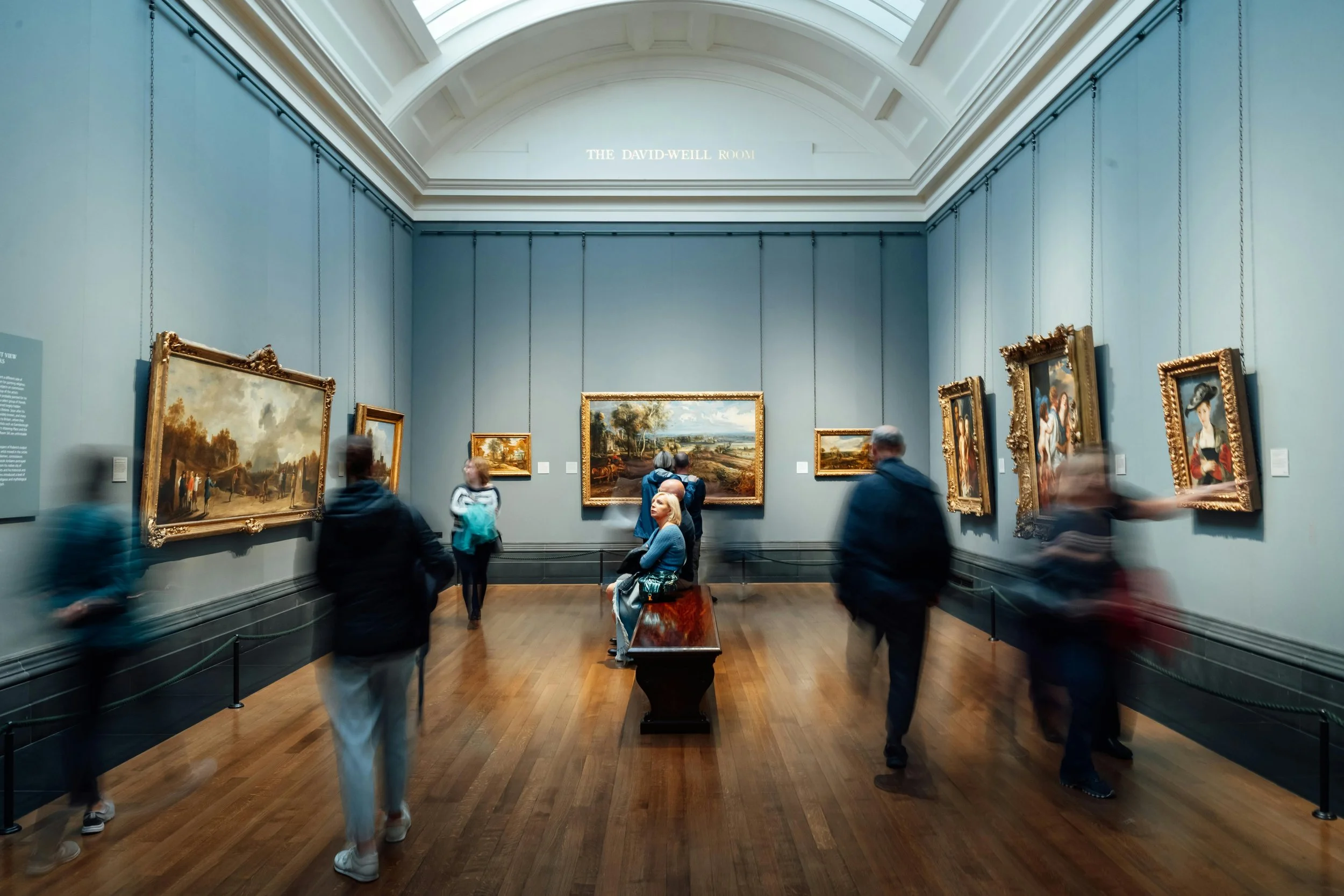
Legal Basics Every Museum Should Know
Museums are more than exhibitions and galleries. Behind every museum are complex legal, financial, operational, and intellectual property issues—from acquisitions and conservation to governance, funding, and copyright. Here are the legal basics every museum operator should know.
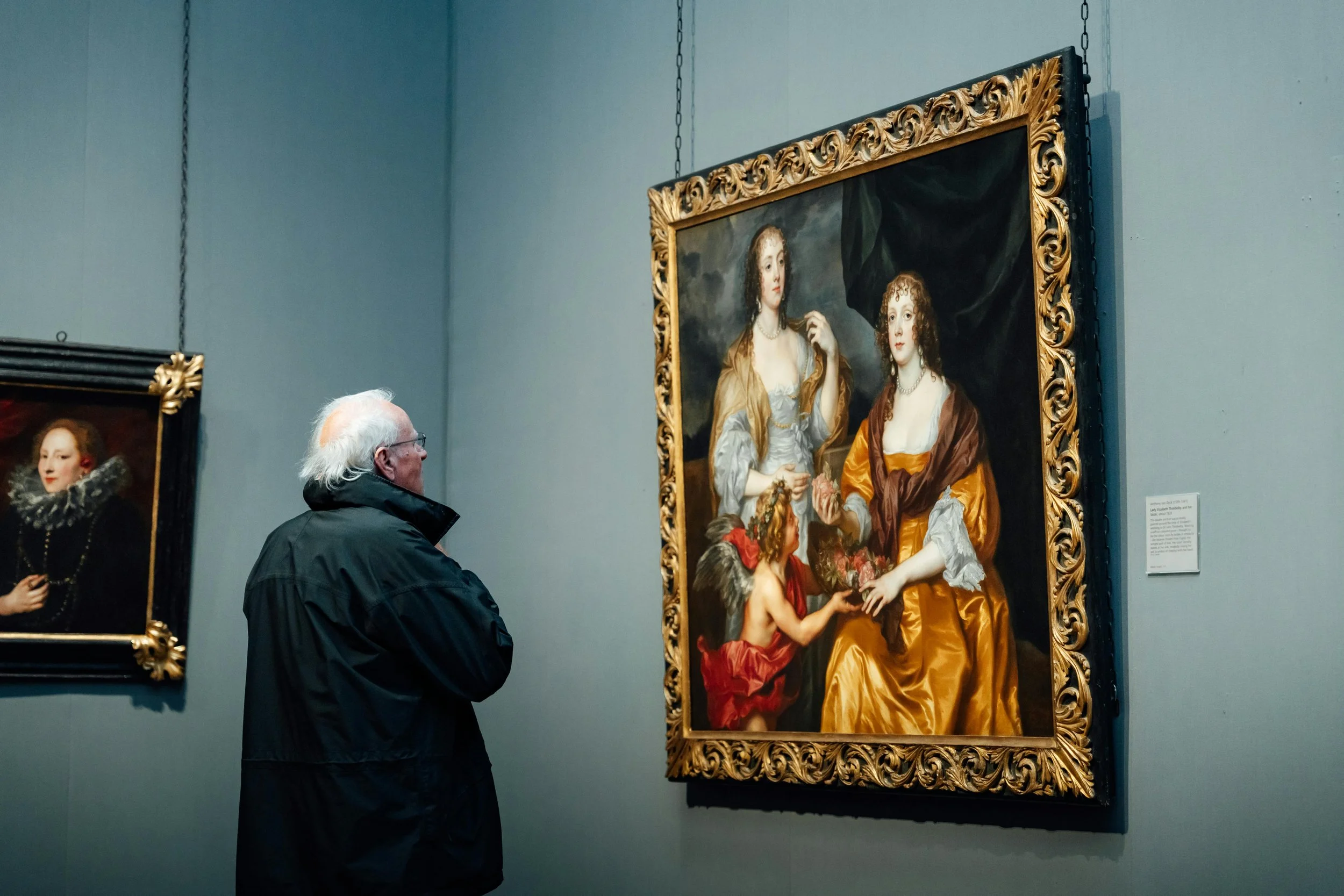
Can Museums Use Copyrighted Art Without Permission?
Can a museum legally display copyrighted artwork without permission? Sometimes—yes. Here’s how the fair use doctrine allows museums and exhibits to navigate one of the most complicated areas of copyright law.

IA y Copyright: ¿Es legal entrenar inteligencia artificial con obras protegidas?
La IA no solo crea contenido. También se entrena con contenido existente. Y ahí está el problema legal. ¿Es esto fair use, o infracción?
¿Quién es el Dueño de las Obras creadas con Inteligencia Artificial? Autoría, Copyright y el nuevo Paradigma Legal
La IA puede crear música, arte, incluso contenido completo. Pero hay un problema: Puede que nadie tenga derechos sobre esa obra. Aquí analizamos lo que dice la ley.
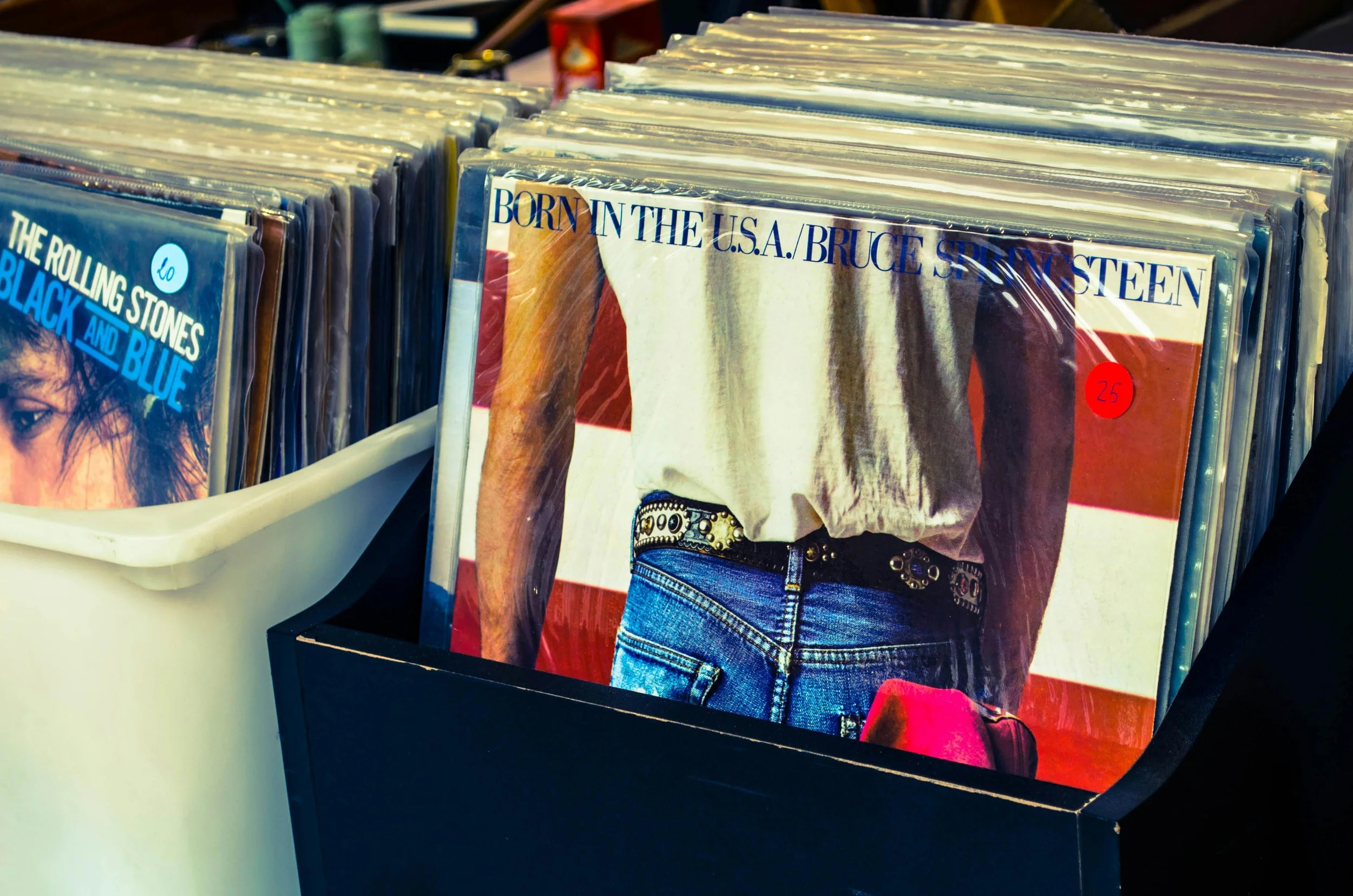
How to Reduce Music Licensing Costs: Practical Alternatives to Expensive Music Rights
Music licensing can get expensive—fast. But what if you could achieve the same impact without paying thousands in licensing fees? Here are 5 practical strategies to reduce costs while staying compliant.