Are Old Music Recordings in the Public Domain? The Definitive Guide for Works Published Before 1972
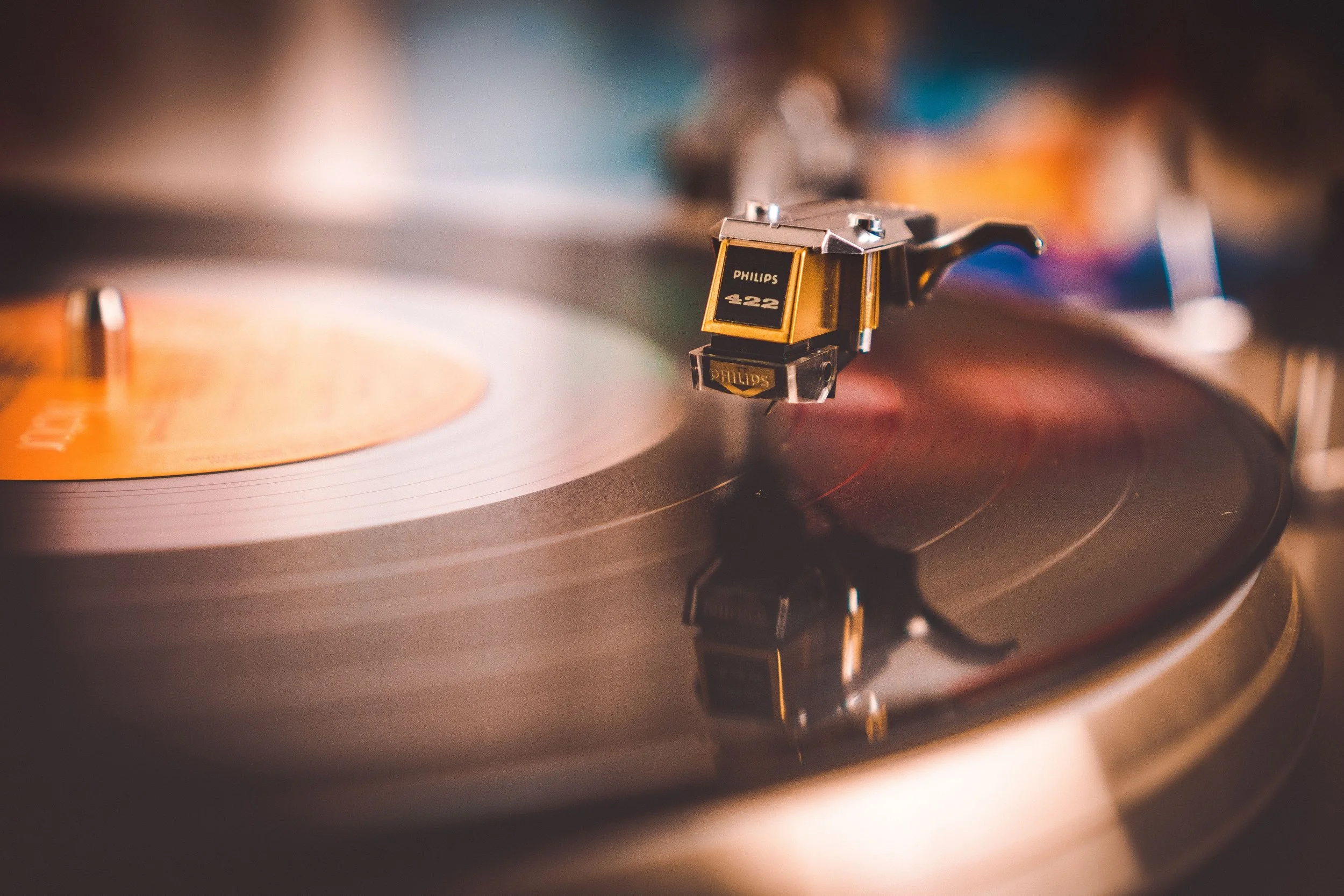
One of the most common questions we receive from musicians, filmmakers, producers, museums, archivists, and content creators is: "If a recording was published in the 1940s, 50s, or 60s, is it already in the public domain?"
The short answer is: not necessarily.
For decades, there has been a significant legal distinction between the protection of musical compositions and the protection of sound recordings. That distinction, combined with various legislative reforms, means that determining the legal status of an old recording requires a much more detailed analysis than simply checking its publication date.
In this article, we explain how copyright works for older music recordings, why a single song can have multiple copyrights, and how the Music Modernization Act of 2018 changed the legal landscape for recordings fixed before February 15, 1972.
A Song Can Have Two Separate Copyrights
One of the most common misconceptions is that a song generates only one copyright. In reality, there are typically two separate works:
The musical composition, which includes the lyrics and music written by the songwriters.
The sound recording, which protects the specific recorded performance fixed in a phonogram.
For example, the same composition may be recorded by different artists. Each recording can have its own copyright holder, while the composition remains owned by its authors or their successors.
(If you’d like to learn more about the different types of music royalties, read this article.)
Why Does the Publication Date Matter?
The date a work was published determines which copyright law applies. Works published before 1978 were generally governed by the Copyright Act of 1909, while works published afterward fall under the Copyright Act of 1976 and its amendments. As a result, a recording published, for example, in 1956 must be analyzed under a different legal framework than one released today.
The Renewal System Under the 1909 Act
Under the Copyright Act of 1909, published works initially received a 28-year term of protection. To maintain that protection, it was often necessary to renew the copyright within a specific time period. If the renewal was not properly filed when required, the protection could expire, and the work could enter the public domain. Later federal laws extended the duration of protection for works whose copyrights remained active. Therefore, when analyzing works published in the 1940s, 50s, or 60s, one of the key questions is whether the applicable protection was properly maintained under the legal framework in place at the time.
What Changed with the Music Modernization Act?
For many years, sound recordings fixed before February 15, 1972, were not protected under federal copyright law. Instead, their protection largely depended on state law. The Music Modernization Act (MMA), enacted in 2018, changed this by bringing these recordings into the federal copyright system and establishing specific terms of protection and remedies for infringement. The duration of protection depends, among other factors, on the recording’s publication date. In other words, the fact that a recording was created before 1972 does not mean it is free to use today.
Does That Mean I Can Never Use an Old Recording?
Not necessarily. Even when a recording is still protected by copyright, the law provides important exceptions and limitations. These include:
Fair Use;
Certain uses by libraries and archives;
The first sale doctrine;
Certain statutory licenses provided by law; and
In very specific cases, noncommercial uses of older recordings that are not being commercially exploited, provided all legal requirements are met.
Each of these exceptions has its own requirements and must be carefully evaluated before using a protected recording.
(If you’d like to learn more about what is Fair Use and it affects creators, read this article.)
How Can I Determine if a Recording Is Still Protected?
There is no universal answer. However, the following steps can help determine the legal status of a recording:
Examine the phonogram, label, or packaging for copyright notices.
Identify the year of publication.
Identify known authors, performers, producers, or rights holders.
Search the records of the U.S. Copyright Office.
Request an official search from the U.S. Copyright Office when necessary.
For major commercial projects, a formal search is often the safest option.
What Should Creators Do Before Using an Old Recording?
Before incorporating a historical recording into a film, documentary, podcast, advertising campaign, video game, or music production, it is important to consider at least the following questions:
Is the musical composition still protected?
Is the sound recording still protected?
Is there an identifiable rights holder?
Is a license required?
Could an exception, such as Fair Use, apply?
Answering these questions in advance can help avoid infringement claims and facilitate licensing negotiations when necessary.
(If you’d like to learn more about how to license music for your project or film, read this article.)
Conclusion
Old music recordings are not automatically in the public domain. Determining their legal status requires distinguishing between the composition and the sound recording, identifying the applicable legal framework, considering the changes introduced by the Music Modernization Act, and evaluating whether exceptions such as Fair Use or other legal mechanisms apply. For musicians, producers, content creators, museums, historians, and businesses seeking to reuse historical recordings, conducting this analysis before using a work can make the difference between lawful use and a copyright infringement claim.
MORE RESOURCES FOR YOU👇👇👇
📚 Related Guides on Music Royalties
If you are an artist, producer, or rights holder, these guides will help you understand how music generates income:
🔎 Legal Services for Musicians, Artists, Producers and Labels
Learn how we assist clients with:
👉 music contracts, royalty administration, rights management, and music catalog sales
🧠 Work With a Music & Entertainment Lawyer
👉 Schedule a consultation with a music and entertainment lawyer to protect and maximize your income
📩 Contact Our Firm
Have questions about this article, our firm or services?
👉 Contact us for general inquiries
We are experienced music and entertainment lawyers in Miami, Florida, Puerto Rico and nationwide for select matters (SED Law, PLLC).
*This article is provided for informational purposes only, and does not constitute legal advice, counsel or representation.