Can Museums Use Copyrighted Art Without Permission?
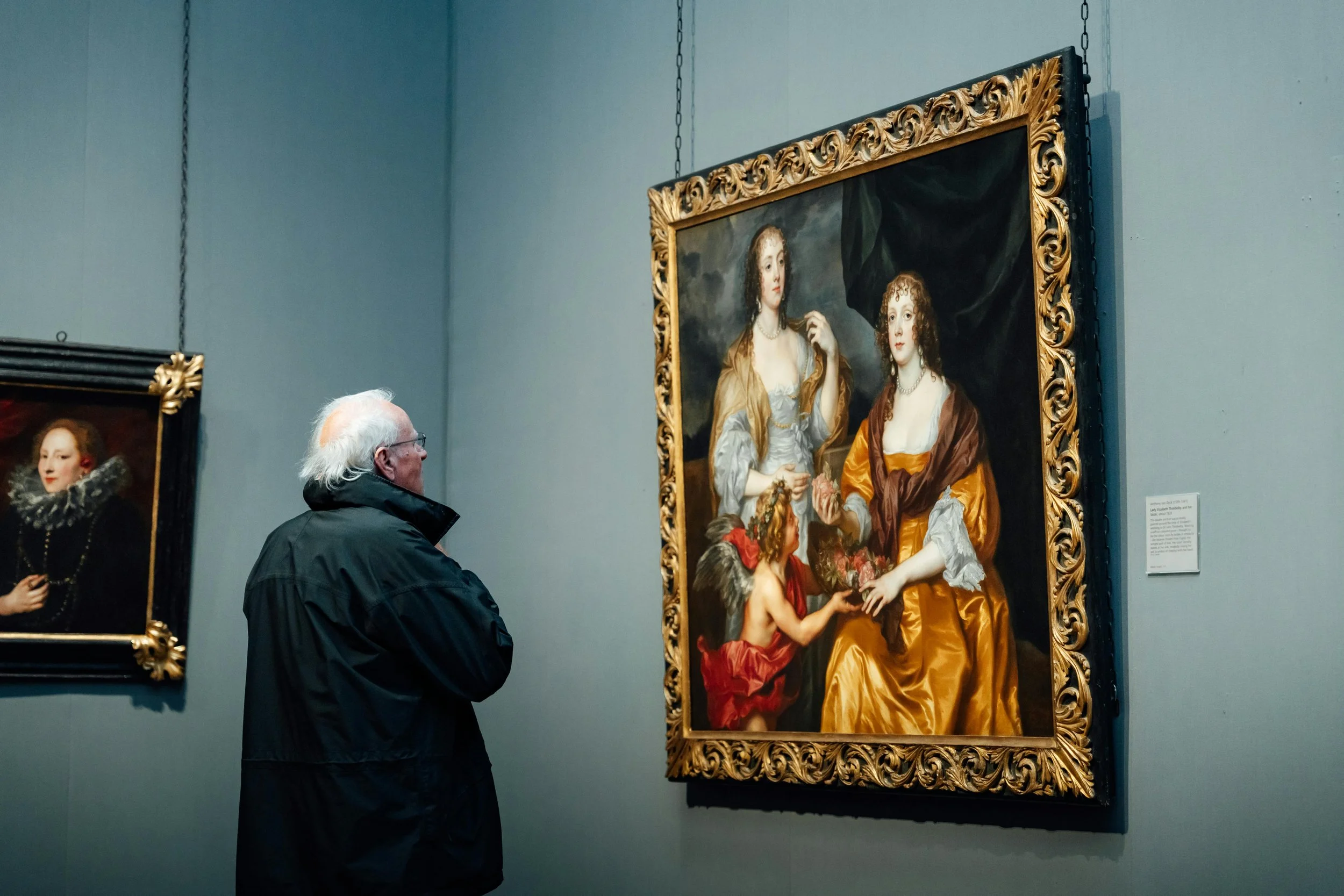
If you’ve walked through an art museum, historical exhibit, or educational pop-up, you’ve probably seen famous works on display: a Frida Kahlo painting, a Diane Arbus photo, or a shiny Jeff Koons sculpture. But wait… aren’t these works copyrighted? How do museums comply with U.S. copyright laws?
In most cases, when the entire work is displayed for the mere purposes of showcasing the work, then yes, you’ll likely need permission from the copyright owner. However, in cases where works are being showcased as part of a larger historical or cultural discussion, like for example the history of an artistic movement or musical genre, there are exceptions that the law provides for users to avoid liability, in certain cases.
How? It’s all due to a unique legal doctrine called “fair use.”
How do Copyrights Protect Works of Art?
Copyright protects original works of creativity, including paintings, photos, manuscripts, songs, videos, and more. For a work to qualify, it must be (1) original, (2) created with at least minimal creativity (not just alphabetizing a phonebook, for example), and (3) fixed in a tangible form (such as written down, recorded, or painted).
The moment something is created and fixed, it’s automatically protected by copyright. There’s no need to register it, but registration provides extra legal perks such as the right to sue for infringement and claim statutory damages. Most copyrights last for the life of the author plus 70 years, though this varies depending on when the work was created and published.
What is “Fair Use” and why does it matter for Museums and Exhibits?
If a work is under copyright protection, using it without permission can lead to legal issues—unless an exception applies, such as fair use. Fair use balances the rights of creators with the public interest in education, commentary, reporting, and cultural preservation. It allows some use of copyrighted works without needing permission from the owner. Museums and educational exhibits can often display works under the fair use exception since their purpose is to educate the public and preserve culture.
Whether or not using a copyrighted work is acceptable under fair use depends on four factors:
The purpose and character of the use;
The nature of the copyrighted work;
The amount and substantiality of the portion of the work used; and
The effect on the market of the copyrighted work.
(If you’d like to learn more about how fair use can protect artists and creators, read this article)
(1) What’s the “Purpose and Character” of a Museum’s use?
This factor looks at why the museum is using the work. Courts are more likely to find fair use when the purpose is non-commercial, educational, or historical—not just to make money. It’s even better for a museum when the use is “transformative.” This means the museum’s use of the work adds new meaning to it, teaches something, or shows the work in a new context. One example of this is when a museum displays a painting to explain its influence on later generations.
(2) What Type of Work is being Used?
The second fair use factor looks at the nature of the work. Using factual content—like news articles—will more likely lead to a fair use finding than purely creative works like paintings. However, creative works can still be used fairly, particularly when the purpose is educational or for cultural preservation. Additionally, unpublished works are typically more protected than published works.
(3) How much of the Work is being Used?
Fair use allows using only the portion of the work necessary for the intended purpose. For museums, sometimes that means displaying an entire art piece, because, well—you probably don’t want to cut a Picasso in half. As long as the portion of use reasonably serves its purpose, showing a full work can still qualify as fair use.
(4) Does the Museum’s use Affect the Market for the Original Work?
Museums often display works of art for educational purposes, not for resale. Thus, museums will often pass this test because an educational exhibit is unlikely to substitute for buying a piece of art. As in, you probably won’t refrain from buying a painting just because you saw one in an exhibit. However, if people are less likely to buy or license the copyrighted work because it is displayed in a museum or exhibit, that could be an issue. In short, the use should not compete with the original work or reduce its demand.
What about if the Museum… makes Money?
Nonprofit museums typically have a stronger fair use argument. However, even profitable museums can argue fair use when their primary purpose in displaying the work is educating museumgoers, not selling the art.
Additionally, a museum analyzing a painting’s impact as part of a curated exhibit is often sufficiently transformative to serve a different purpose than that of the original artwork.
For example, in the case Marano v. Metropolitan Museum of Art, the Court of Appeals for the Second Circuit found that the Metropolitan Museum of Art’s use of a copyrighted photo of Eddie Van Halen playing his guitar was fair use. For one, the court found that the museum’s use of the photo was transformative because its purpose was to lend historical context to Van Halen’s guitar. Interestingly, it held that even if the photo resulted in increased museum ticket sales, this was outweighed by the museum’s educational, noncommercial purpose for displaying the photo.
Thus, even if the museum charged you for your day ticket, it could likely still argue fair use.
(If you’d like to learn more about how nonprofits can use copyrighted works without permission, read this article)
What else do Courts say about Fair Use when it comes to Displaying Art?
Courts look favorably on institutions when their use is educational, non-commercial, and transformative, adding new meaning or context to pieces.
Another seminal case is 2006’s Bill Graham Archives v. Dorling Kindersley Ltd., involving a publisher who used concert poster images in a historical book about the rock band Grateful Dead. The Court of Appeals for the Second Circuit held the publisher’s use was transformative, qualifying as fair use, because the posters were used to document cultural history—not market or sell concert tickets.
Similarly, museums display artworks, artifacts, and all kinds of relics to string together a narrative about some element of the human experience. As long as the museum’s purpose is educating their audience, the museum’s use is likely transformative due to its thoughtful examination and curation of the work. If the museum also displays a reasonable amount of the artist’s work and is not competing with the copyright holder’s business, then it likely qualifies as fair use.
Do Museums always rely on Fair Use?
Museums may often rely on the fair use doctrine, but there are other options for legally displaying works. In fact, sometimes museums prefer to avoid the legal gray area of fair use altogether, fearing potential litigation.
In these cases, museums and other exhibits may license the works directly from the copyright holder or an agency, or simply use public domain works.
MORE RESOURCES FOR YOU👇👇👇
📚 Related Legal Guides
Explore more insights related to art, copyrights and media:
🔎 Legal Services for Artists, Galleries and Museums
Learn how we assist artists, galleries curators, cultural organizations, and museums with:
👉 contracts, copyrights and disputes
🧠 Speak With an Art Lawyer
If you are creating, representing or exhibiting art:
👉 Schedule a consultation with an art lawyer experienced in contracts, intellectual property and litigation.
📩 Contact Our Firm
For general inquiries about our services and firm:
We are experienced art lawyers in Miami, Florida, Puerto Rico and nationwide for select matters (SED Law, PLLC).
*This article is provided for informational purposes only, and does not constitute legal advice, counsel or representation.