Legal Basics Every Museum Should Know
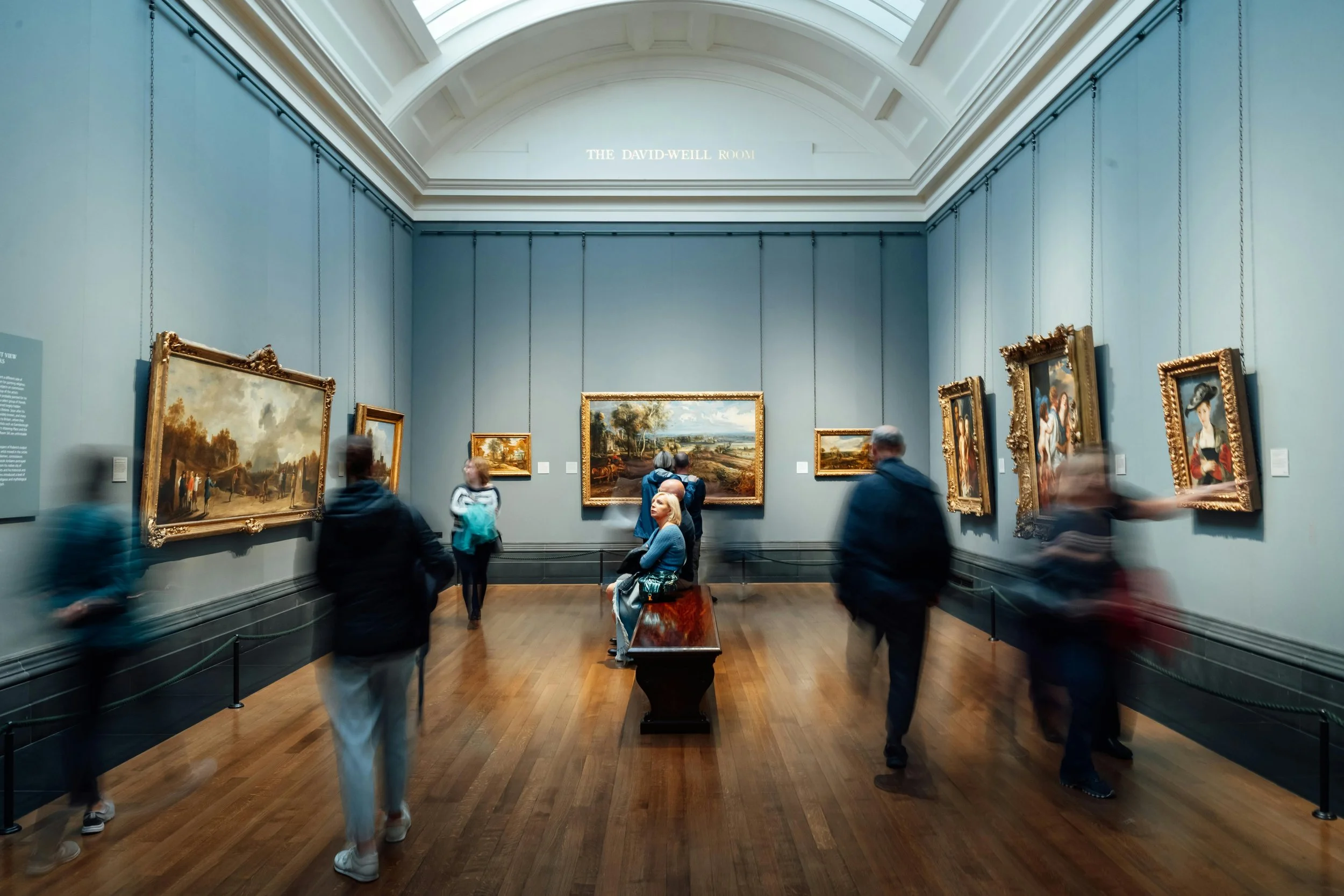
Museums are far more than exhibition spaces filled with artifacts and paintings. They are complex institutions that preserve culture, shape historical narratives, educate the public, conduct research, acquire and manage valuable assets, and operate as sophisticated organizations with significant legal and financial responsibilities. Whether publicly operated, privately owned, or organized as nonprofits, museums sit at the intersection of law, business, education, intellectual property, philanthropy, and public engagement.
Because of this, museum operators must navigate a wide range of legal and operational issues—from acquisitions and copyright ownership to governance, fundraising, insurance, contracts, and institutional risk management. This guide explores some of the legal basics every museum operator, curator, collector, or institution should understand.
What Is a Museum’s Main Purpose?
At their core, museums generally serve four major functions: acquisition, education, conservation, and promotion.
(1) Acquisition
One of the primary functions of a museum is acquiring works, collections, and assets related to its mission. These assets may include: artwork, manuscripts, historical objects, collectibles, digital media, audiovisual works, archives, cultural artifacts. Museums may acquire these assets through: purchases, donations, grants, loans, leases, bequests or exchanges.
However, acquiring a physical item does not automatically mean acquiring all associated legal rights. Museums must carefully evaluate: copyright ownership, reproduction rights, publicity and image rights, licensing restrictions, loan limitations, and commercial exploitation rights.
For example, a museum may own a painting physically, but not necessarily own the right to commercially reproduce it in books, merchandise, advertisements, or digital media. As museums increasingly operate online and across social media platforms, intellectual property analysis has become even more important.
(If you’d like to learn more about how fair use can protect artists and museums, read this article)
(2) Education
Museums function as educational institutions and cultural “brain trusts.” They produce scholarship, fund research, publish books and catalogs, host lectures, and preserve historical knowledge for future generations. These educational activities create important legal questions, including: who owns museum-funded research; ownership of publications and educational materials; licensing of academic content; copyright in museum catalogs and exhibits, and; rights associated with educational programming.
Museums often collaborate with scholars, universities, historians, researchers, artists and documentary producers. Each of these relationships may involve contracts, intellectual property considerations, and rights allocation issues.
(3) Conservation
Museums are also responsible for preserving and restoring culturally significant items. Conservation work may involve: restoration of paintings, preservation of manuscripts, maintenance of sculptures, environmental storage controls and digital preservation efforts. This creates substantial operational and legal risk. A damaged work of art or historical artifact can expose museums to: contractual disputes, negligence claims, insurance conflicts or valuation disputes.
As a result, museums must implement careful conservation procedures, strong insurance coverage, specialized transportation agreements, environmental controls and security systems.
(4) Promotion and Public Engagement
Museums regularly organize exhibitions, conferences, educational programs, festivals, fundraising events and private gatherings. These activities generate additional legal considerations involving ticketing, sponsorship agreements, vendor contracts, premises liability, crowd safety, intellectual property use, and employment and staffing issues. Modern museums increasingly operate as public-facing brands and cultural businesses, requiring sophisticated legal and operational planning.
Who Creates and Owns Museums?
Museums may be created and operated by governments, universities, nonprofits, private foundations, corporations or individual collectors. The ownership structure of a museum significantly affects governance, tax treatment, fundraising capabilities and operational control.
Importantly, just because a museum discusses matters of public interest does not necessarily mean the public controls its messaging or operations. Museums are often shaped by the ideological, political, cultural and economic interests of the individuals or entities that own and fund them.
In practice, museums are rarely neutral institutions. Like media organizations, universities, or publishers, museums curate narratives and perspectives through the works they choose to display and the stories they choose to tell.
How Are Museums Funded?
Museums require significant financial resources not only to operate day-to-day, but also to: acquire collections, preserve works, install exhibitions, fund research, maintain facilities, pay personnel, insure collections and conduct educational programming. Museum funding typically comes from multiple sources.
Common Sources of Museum Funding
Donations - Museums often receive donations from philanthropists, collectors, foundations, corporations, patrons and estate donors. These donations may include: cash, artwork, collectibles, land, archival materials or investment assets.
Grants and Sponsorships - Government agencies, nonprofits, and private institutions frequently provide grants for exhibitions, educational programs, preservation initiatives, community outreach, and cultural projects. Corporate sponsorships are also common, particularly for high-profile exhibitions and public events.
Memberships and Admissions - Museums may generate recurring revenue through: annual memberships, ticket sales, special exhibitions, educational workshops and guided tours. Many institutions also monetize through gift shops, cafés, merchandise and venue rentals.
Fundraising and Events - Museums often conduct galas, donor events, raffles, crowdfunding campaigns and auctions. These activities may involve charitable solicitation laws, tax compliance, and sponsorship regulations.
(If you’d like to learn more about alternative fundraising methods for businesses and organizations, read this article)
What Is an Endowment?
An endowment is a long-term financial asset donated to support the institution over time. Typically, the principal amount is invested, while only the investment income—or a portion of it—is used for operations or designated purposes. Endowments are commonly used to fund acquisitions, support scholarships, finance research, preserve collections and maintain facilities. These funds are generally invested in diversified portfolios that may include stocks, bonds, real estate or alternative investments
Large museum endowments can become highly sophisticated financial structures requiring professional management and fiduciary oversight.
How Do Museums Acquire Works?
Museums acquire works through a variety of legal mechanisms, including: purchases, donations, grants, bequests, exchanges, and long-term loans. Each acquisition method presents unique legal considerations.
For example:
Loan agreements may restrict exhibition or transportation rights;
Donated works may contain conditions imposed by donors;
Acquisitions may require provenance verification;
Cultural patrimony laws may apply to antiquities and artifacts.
Museums must also conduct due diligence concerning, title ownership, provenance, authenticity, stolen property claims, export restrictions and intellectual property rights. Failure to properly investigate provenance can expose institutions to major litigation and reputational harm.
Who Owns the Rights to Museum Collections?
One of the most misunderstood issues in museum operations is the distinction between ownership of the physical object, and ownership of intellectual property rights. Purchasing an artwork does not always transfer copyright, reproduction, merchandising or licensing rights. Unless expressly transferred by agreement, copyright ownership often remains with the artist, their estate, publishers or rights holders.
Museums therefore frequently negotiate rights involving exhibition scope, photography, publication, licensing, digital display, promotional use and monetization of derivative work (like merchandise).
Museums may also obtain rights to loan works, exchange collections, conserve and restore pieces, and deaccession works under certain conditions.
Increasingly, museums must also consider moral rights, publicity rights (i.e. Name, Image and Likeness or “NIL”), digital reproduction rights and AI-related concerns involving scanned or digitized collections.
Who Runs a Museum?
Museum governance structures vary, but most institutions are operated through a layered organizational hierarchy.
Board of Trustees or Directors - The board generally oversees governance, strategic planning, fiduciary oversight, and executive leadership. Boards often appoint and supervise the museum director.
Museum Director - The director serves as the central executive authority for the institution. They typically oversee operations, administration, finances, exhibitions, staffing and execution of institutional strategy.
Curators and Educators - Curators and educators are responsible for collection management, exhibitions, scholarship and educational programming.
Collections and Conservation Staff - These professionals handle preservation, restoration, documentation, and archival maintenance.
Visitor Services and Front-Line Personnel - Museums also rely heavily on security personnel, ticketing staff, customer service representatives and event coordinators.
Conclusion
Museums occupy a unique place in society. They are educational institutions, cultural stewards, research centers, archives, event spaces, publishers, and businesses—all at once. As museums continue expanding into digital platforms, immersive experiences, licensing initiatives, online archives and AI and multimedia technologies, their legal and operational challenges will only become more complex.
Understanding the legal foundations of museum operations—from governance and acquisitions to copyright and risk management is critical not only for compliance, but for preserving culture responsibly and sustainably for future generations.
MORE RESOURCES FOR YOU👇👇👇
📚 Related Legal Guides
Explore more insights related to art, copyrights and media:
🔎 Legal Services for Artists, Galleries and Museums
Learn how we assist artists, galleries curators, cultural organizations, and museums with:
👉 contracts, copyrights and disputes
🧠 Speak With an Art Lawyer
If you are creating, representing or exhibiting art:
👉 Schedule a consultation with an art lawyer experienced in contracts, intellectual property and litigation.
📩 Contact Our Firm
For general inquiries about our services and firm:
We are experienced art lawyers in Miami, Florida, Puerto Rico and nationwide for select matters (SED Law, PLLC).
*This article is provided for informational purposes only, and does not constitute legal advice, counsel or representation.