Intellectual Property and Legal Issues Every Content Creator Should Understand
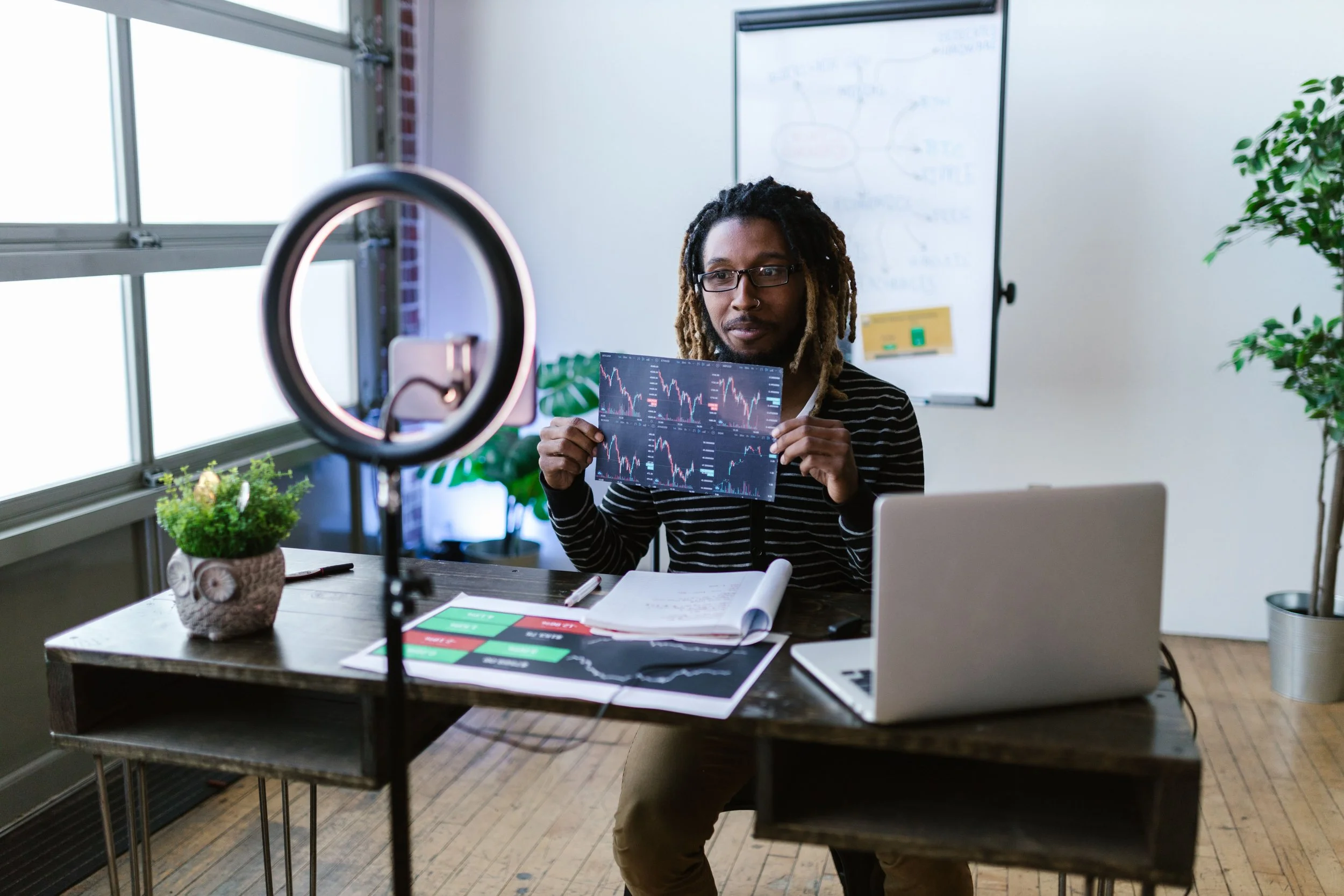
Never before has it been easier to become a content creator. With nothing more than a smartphone and an internet connection, creators can build audiences of millions through YouTube, TikTok, Instagram, Twitch, podcasts, and other digital platforms. However, many creators focus exclusively on growing their audience while overlooking the legal risks that come with publishing content online.
A single post, livestream, video, song, clip, or statement can potentially create exposure to copyright claims, trademark disputes, defamation lawsuits, privacy violations, platform enforcement actions, and other legal issues. Here are some of the most common legal issues content creators face.
Copyright and Fair Use
One of the most misunderstood areas of creator law is copyright. Copyright protects original works of authorship, including:
Videos
Music
Photographs
Artwork
Books
Podcasts
Software
Written content
To qualify for copyright protection, a work generally must: be original; contain at least a minimal degree of creativity; and be fixed in a tangible medium of expression. Contrary to popular belief, registration is not required for copyright protection to exist. Copyright protection generally arises automatically upon creation of the work.
The Fair Use Myth
Many creators assume they can freely use copyrighted content if they: give credit to the original creator; include a disclaimer; use only a small portion of the work; or state that the content is for educational purposes.
None of those actions automatically creates a Fair Use defense. Fair Use is a legal doctrine that permits certain unauthorized uses of copyrighted material for purposes such as criticism, commentary, news reporting, teaching, scholarship, and research. Courts evaluate Fair Use using a fact-specific analysis that includes:
The purpose and character of the use;
The nature of the copyrighted work;
The amount used; and
The effect on the market for the original work.
Most importantly, Fair Use is ultimately determined by courts—not creators. A disclaimer that says "No copyright infringement intended" has little to no legal effect.
(If you’d like to learn more about how to legally use other people’s content and works, read this article.)
Using Other People's Content
Creators frequently incorporate third-party content into their own work. Examples include:
Reaction videos
Commentary channels
Podcasts
News reporting
Video essays
Educational content
While some uses may qualify as Fair Use, others may require permission. A best practice is to obtain permission whenever feasible, particularly when the content is being used for commercial purposes. The same principle applies to brands. Just because content appears online does not mean a company can freely use it in advertisements, social media campaigns, or marketing materials. In many cases, the creator—not the brand—owns the copyright.
Music Licensing: One of the Biggest Risks for Creators
Music remains one of the most common sources of copyright disputes. Many creators mistakenly believe that background music is harmless. In reality, most commercially released music is protected by copyright. A single song may involve multiple rights holders, including songwriters, publishers, recording artists, record labels, and producers. Using copyrighted music without authorization may result in:
Content ID claims
Monetization restrictions
DMCA takedowns
Copyright strikes
Account suspension
Creators should be particularly careful when livestreaming, where platform-specific rules may be stricter than copyright law itself.
(If you’d like to learn more about how to use other peoples music in your content legally, read this article.)
Streaming Video Games: Are You Allowed To?
Many creators are surprised to learn that video games are also protected intellectual property. Although many game publishers permit streaming and gameplay content, not all publishers grant unrestricted rights. Some publishers maintain specific content usage policies governing: gameplay streams, monetization, tournament footage, music contained within games, and promotional uses. Before building a channel around a particular game, creators should review the publisher's content policies.
DMCA Takedowns and Platform Enforcement
The Digital Millennium Copyright Act (DMCA) plays a major role in modern content creation. Under the DMCA, online platforms receive certain protections from liability for copyright infringement committed by users. To maintain these protections, platforms generally must:
Remove infringing content upon notice;
Maintain procedures for copyright complaints;
Address repeat infringers; and
Process counter-notifications.
This is why creators may see content removed even when they believe they have a valid Fair Use argument. Platforms often act first and resolve disputes later. For creators, understanding the DMCA process is critical.
(If you’d like to learn more about how YouTube’s policies affect content creators, read this article.)
Trademark Issues for Content Creators
Copyrights protect creative works. Trademarks protect brands. These are two entirely different forms of intellectual property. Trademarks may protect business names, product names, logos, slogans, trade dress and other assets. Creators can encounter trademark issues when using another company's branding in ways that create confusion regarding sponsorship, affiliation, or endorsement. For example, problems may arise when:
Logos appear prominently in thumbnails;
Content falsely suggests sponsorship;
Merchandise uses another company's trademarks;
Marketing materials imply endorsement relationships.
However, not every use of a trademark is infringement. Certain uses may qualify as nominative fair use, commentary, criticism, or comparative advertising.
(If you’d like to learn more about how trademarks can protect your brand and business, read this article.)
Defamation: Be Careful What You Say on Stream
Creators often discuss public figures, companies, competitors, and current events. While commentary is generally protected, false statements can create liability. Defamation claims may arise when a person publishes false statements presented as facts that cause reputational harm. The distinction between fact and opinion is often critical. For example:
"I don't like this creator" is generally opinion.
"This creator committed fraud" may be actionable if false.
The larger a creator's audience becomes, the greater the potential exposure associated with inaccurate statements.
(If you’d like to learn more about the risks of defamation on YouTube and with content creators, read this article)
Recording Conversations and Phone Calls
Many content creators publish interviews, livestream conversations, podcasts, and recorded calls. However, recording laws vary significantly between states. Some states follow a one-party consent rule, meaning only one participant must consent to the recording. Other states—including Florida—generally require the consent of all parties involved in the conversation. Failing to comply with applicable recording laws may result in:
Criminal penalties;
Civil liability;
Claims for damages;
Platform disputes.
Creators should always determine which laws apply before recording private conversations.
Rights of Publicity and Likeness Rights
Another frequently overlooked issue involves a person's name, image, voice, or likeness. Most states recognize some form of right of publicity, which protects individuals against unauthorized commercial exploitation of their identity. Potential issues may arise when creators use:
Celebrity images;
Celebrity voices;
Deepfakes;
AI-generated likenesses;
Promotional endorsements;
Commercial advertisements.
As AI tools become increasingly sophisticated, rights of publicity are becoming one of the fastest-evolving areas of creator law.
(If you’d like to learn more about how artificial intelligence affects publicity and name, image and likeness rights, read this article.)
The Reality: Content Creation Is a Business
Many creators begin as hobbyists. Over time, however, successful channels evolve into businesses. With that growth comes legal responsibility. Understanding the rules surrounding copyrights, trademarks, defamation, privacy, recording laws, licensing, and publicity rights can help creators protect both their content and their businesses. The goal is not to avoid creating content. The goal is to create confidently, while understanding the legal landscape that accompanies modern digital media.
MORE RESOURCES FOR YOU👇👇👇
📚 Related Legal Guides for Content Creators
🔎 Legal Services for Influencers and Content Creators
Learn how we assist clients with
🧠 Work With a Lawyer for Creators
👉 Schedule a consultation with an entertainment lawyer for creators
📩 Contact Our Firm
Have questions about this article, our firm or services?
👉 Contact us for general inquiries
We are experienced lawyers for creators in Miami, Florida, Puerto Rico and nationwide for select matters (SED Law, PLLC).
*This article is provided for informational purposes only, and does not constitute legal advice, counsel or representation.