
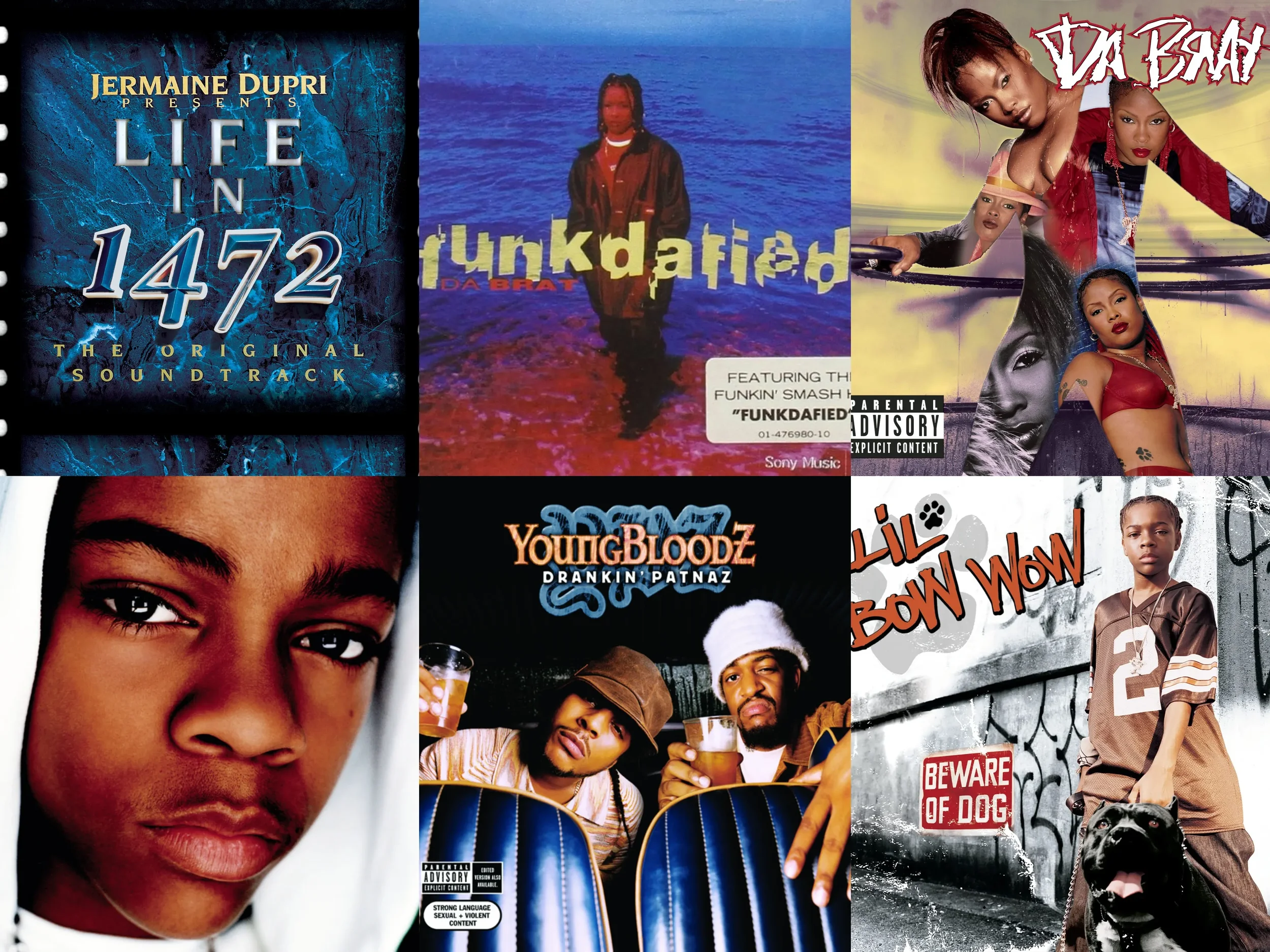
Las Demandas de Ricardo Montaner y Jermaine Dupri: Lo Que Revelan Sobre Cláusulas Ocultas en Contratos Musicales
A través de las recientes demandas presentadas por Ricardo Montaner y Jermaine Dupri, este artículo analiza las cláusulas contractuales que con mayor frecuencia originan disputas millonarias dentro de la industria musical, incluyendo la propiedad de los másters, las regalías, las auditorías contractuales y los derechos de reversión.
What Recent Record Label Lawsuits Reveal About the Hidden Clauses in Music Contracts
Why do artists sue the very record labels that helped launch their careers? Through recent lawsuits involving Ricardo Montaner and Jermaine Dupri, this article explores the hidden contractual provisions that often become the center of multimillion-dollar disputes—including ownership of master recordings, royalty accounting, audit rights, recoupment, chain of title, and reversion rights.

¿Se Puede Proteger un Ritmo Musical? Analizando el Caso “Dembow” que Podría Redefinir la Industria Musical
¿Puede un ritmo musical estar protegido por derechos de autor? Analizamos el caso de "Dembow" presentado por los productores jamaiquinos Steely and Clevie, en contra de artistas como Bad Bunny, Daddy Yankee, Karol G y otros, que busca reclamar regalías de miles de canciones de reggaeton.

Cómo Crear un Negocio de Música con Inteligencia Artificial: Derechos de Autor, Monetización, y los Riesgos Legales que Debes Conocer
La inteligencia artificial está transformando la industria musical. Hoy cualquier persona puede crear canciones, distribuirlas en Spotify, monetizarlas en YouTube y construir una marca utilizando herramientas de IA. Sin embargo, también existen importantes consideraciones legales relacionadas con los derechos de autor, las licencias de las plataformas, y las políticas de monetización. En esta guía analizamos todo lo que necesitas saber para desarrollar un negocio legítimo de música con inteligencia artificial.

How to Build an AI Music Business: Monetization, Copyright, YouTube Policies, and the Legal Risks Every Creator Should Know
Artificial intelligence has dramatically lowered the barriers to entering the music industry, but it has not eliminated the legal rules that govern it. Whether you're creating AI-generated songs for YouTube, Spotify, commercial licensing, or social media, this comprehensive guide explains how creators can legally monetize AI-generated music while avoiding the most common legal and business pitfalls.
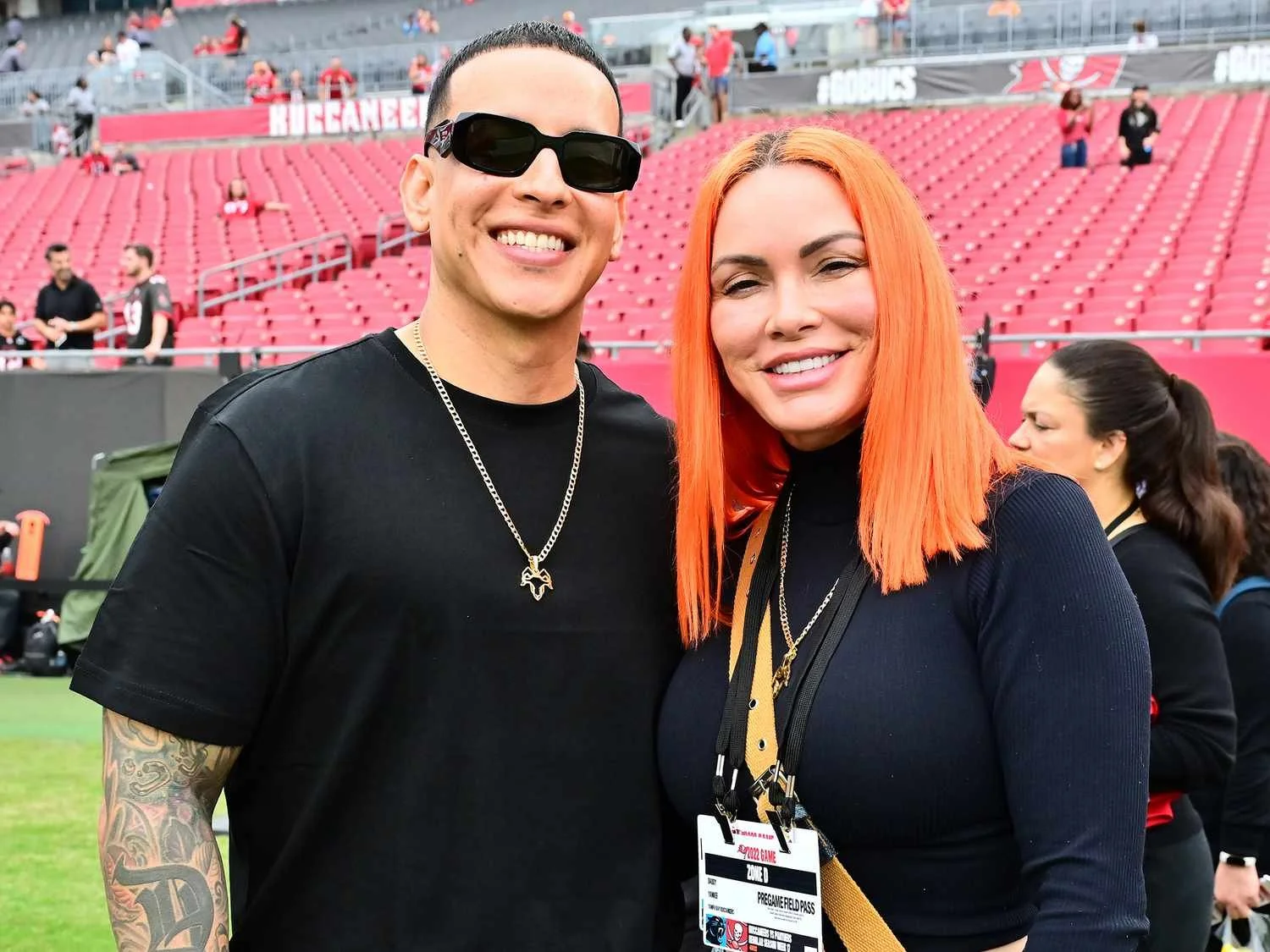
Los Casos Legales de Daddy Yankee: Un Análisis Completo de los Litigios que Han Marcado la Nueva Etapa de su Carrera
Daddy Yankee enfrenta múltiples litigios estatales y federales relacionados con su divorcio, el control de sus corporaciones, y la administración de regalías. Este artículo analiza cronológicamente cada procedimiento, explica los conceptos jurídicos involucrados y distingue entre las alegaciones de las partes y las determinaciones emitidas por los tribunales.
Who Gets Paid by SoundExchange? Understanding Featured Artist Royalties Under U.S. Copyright Law
Many artists understand publishing royalties. Few understand SoundExchange. Every year, millions of dollars are generated from digital performances on services like Pandora, SiriusXM, and internet radio. Federal law requires those royalties to be distributed among record labels, featured artists, and non-featured performers—but who gets paid, and why? This article breaks down the Digital Performance Right in Sound Recordings Act.
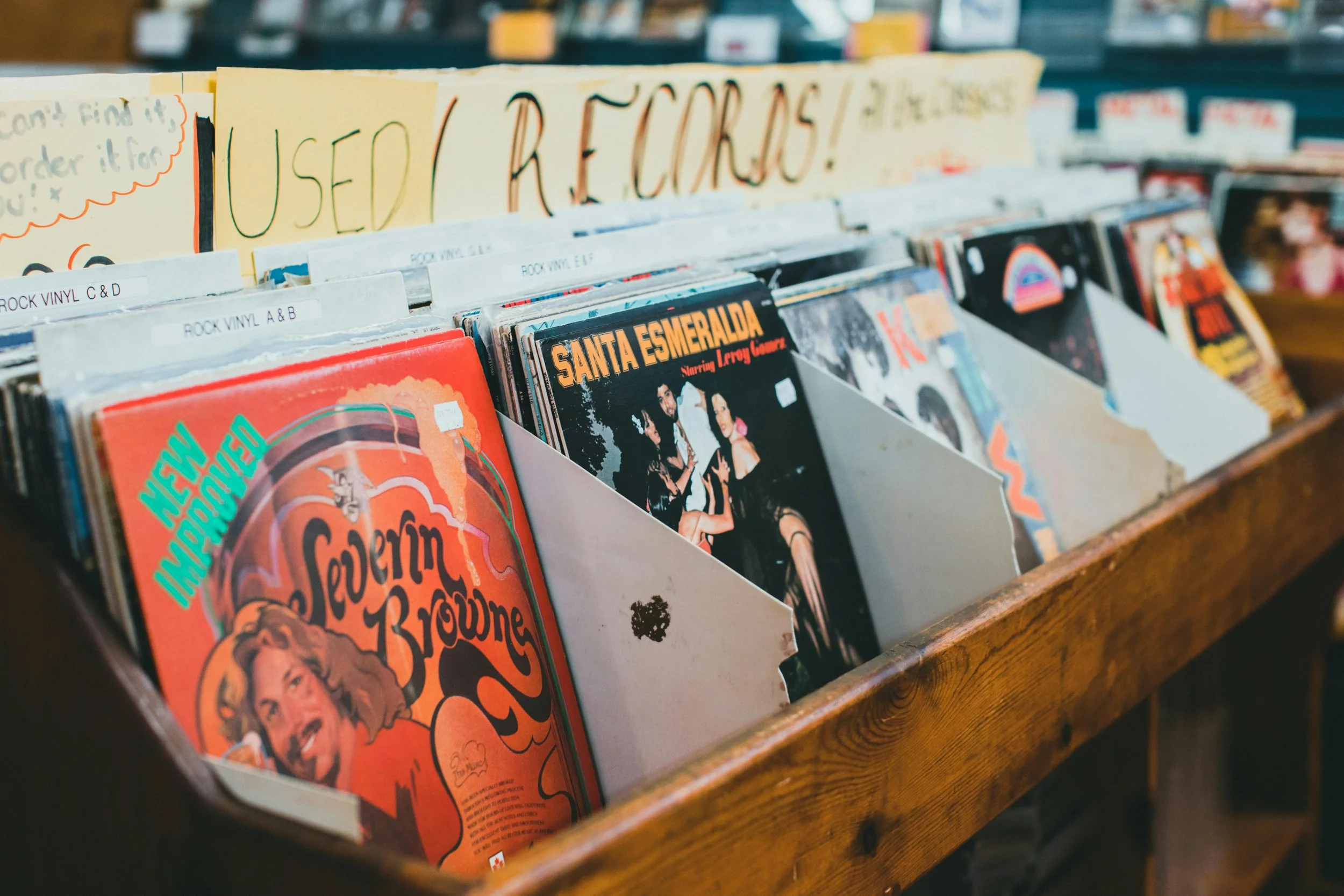
The Tax Implications of Selling a Music Catalog
Music catalog sales can generate life-changing wealth — but without proper planning, taxes can dramatically impact the final proceeds. As catalog acquisitions continue to dominate the music industry, artists, songwriters, producers, and rights holders are increasingly evaluating the tax implications of selling music rights. We break down the major legal and tax concepts behind modern music catalog transactions.
How to Reduce Music Licensing Costs: Practical Alternatives to Expensive Music Rights
Music licensing can get expensive—fast. But what if you could achieve the same impact without paying thousands in licensing fees? Here are 5 practical strategies to reduce costs while staying compliant.
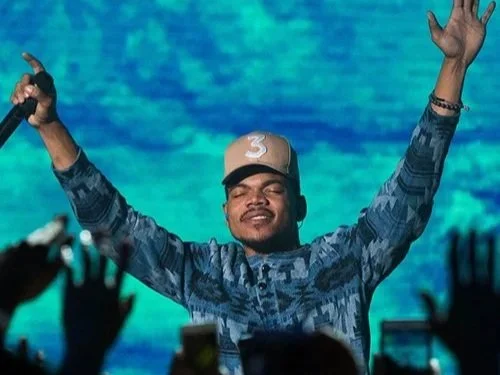
Chance the Rapper Wins Lawsuit Against Former Manager: Key Legal Issues and Industry Lessons
Most artist-manager disputes never make it to trial. This one did. The Chance the Rapper lawsuit reveals what happens when millions of dollars, handshake deals, and undefined contracts collide—and why both artists and managers need to rethink how these relationships are structured.

Do Sporting Events Need Music Licenses? Copyright Rules for Playing Music at Sports Events
Music is everywhere in sports—from stadium entrance music to halftime shows. But do sporting events actually need permission to play those songs? In this article, we break down the copyright rules and music licensing requirements for sporting events and broadcasts.
What Are Digital Performance Royalties? SoundExchange Explained
Digital radio platforms like Pandora and SiriusXM generate a separate royalty stream known as digital transmission royalties. In this guide, we explain how SoundExchange works, who pays these royalties, and how artists can make sure they collect what they’re owed.
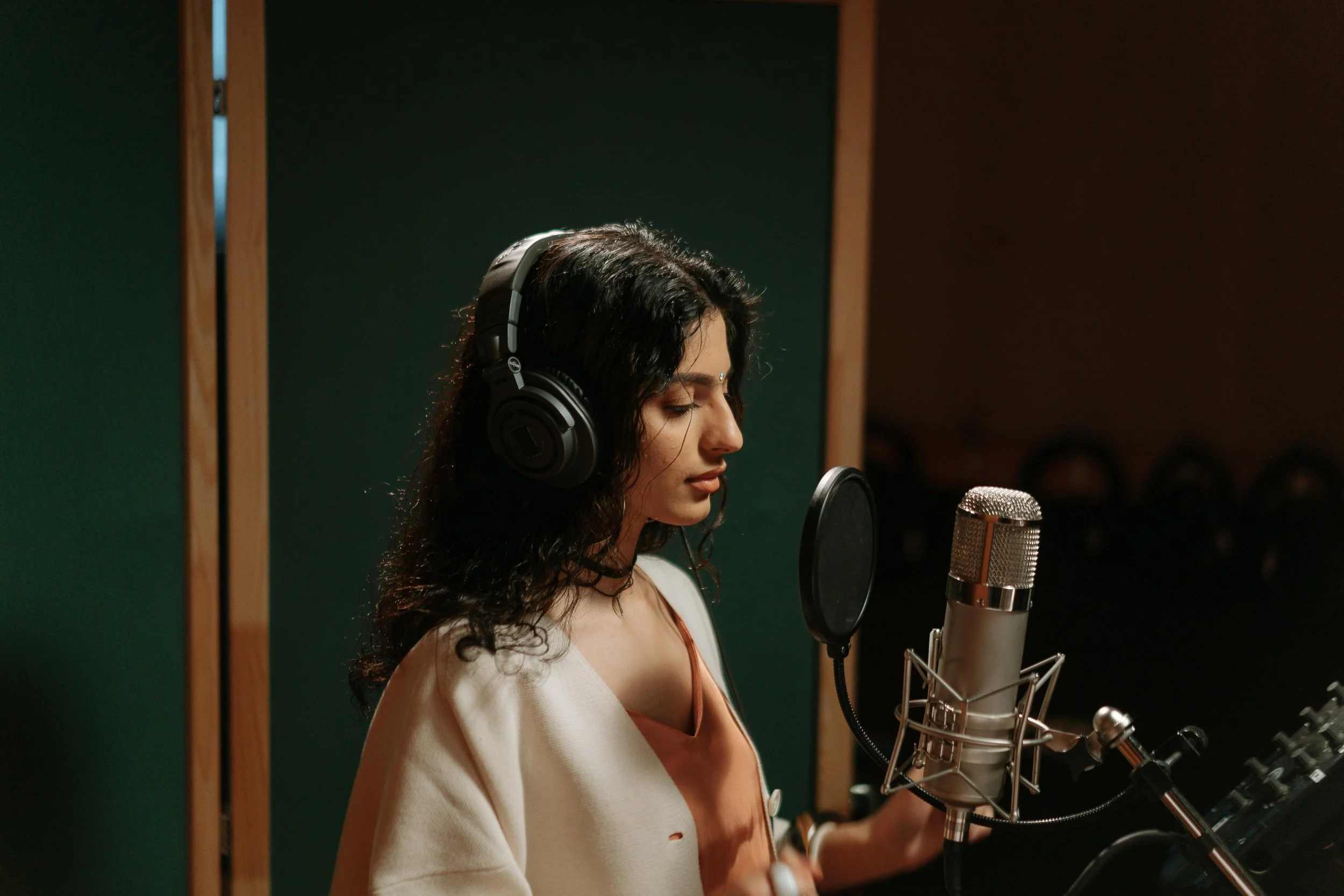
What Are the Different Types of Royalties in Music? A Guide for Artists and Songwriters
In this guide, we explain the different types of music royalties—including performance, mechanical, synchronization, and streaming royalties—and how creators can make sure they collect the income they are owed.
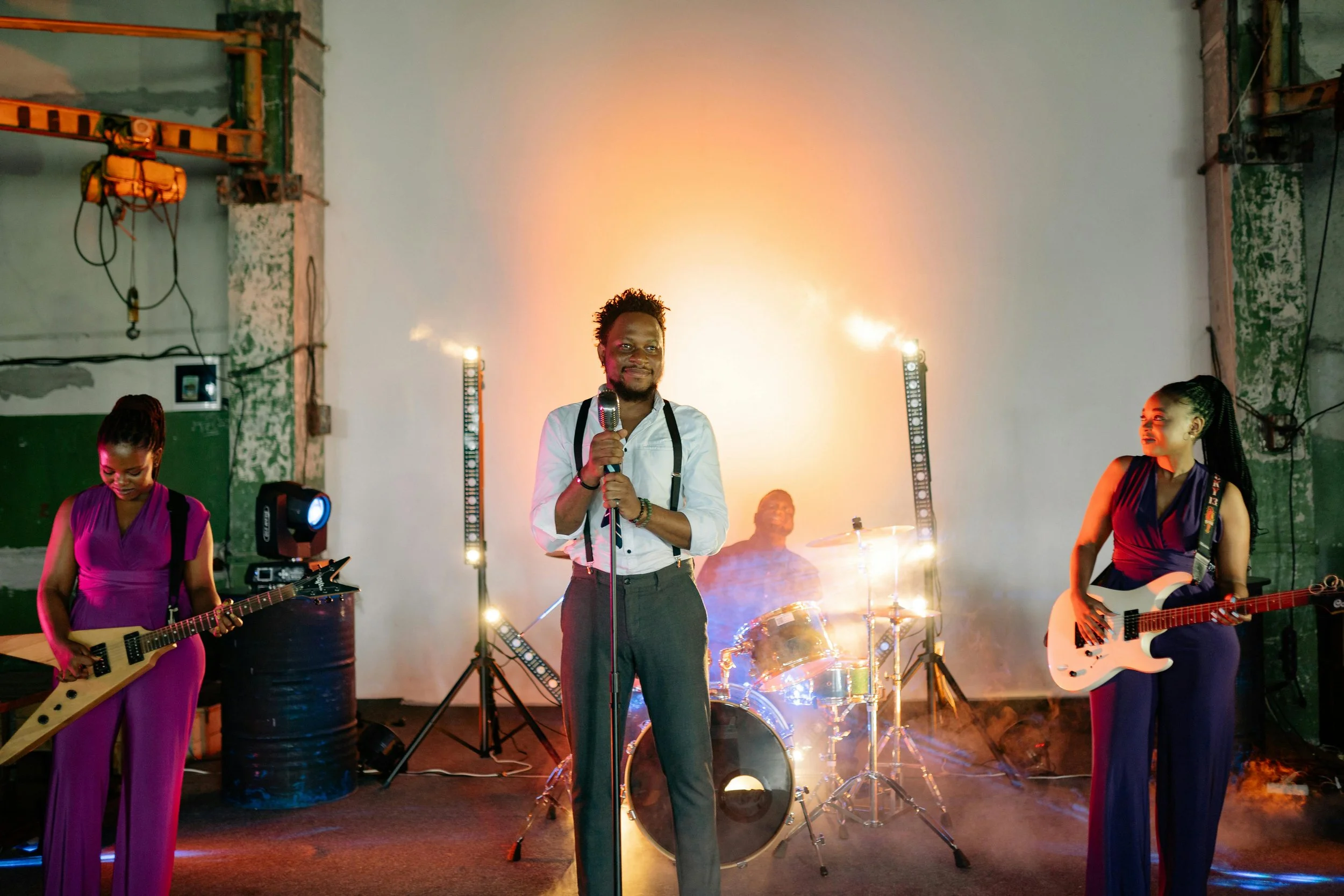
What Is a Performance Rights Organization (PRO)? How Music Royalties Are Collected and Paid
If your music is being played publicly, you should be getting paid. But many artists don’t fully understand how Performance Rights Organizations (PROs) like ASCAP and BMI actually work—or how to collect those royalties. Here’s what you need to know.

Can Nonprofits Use Music Without Permission? Copyright Rules for Commercial and Noncommercial Use
Many nonprofits assume they can use music freely because it’s for a good cause. Legally, that’s not how it works. Here’s what nonprofits need to know about music licensing—and where they can get into trouble.