Do Sporting Events Need Music Licenses? Copyright Rules for Playing Music at Sports Events
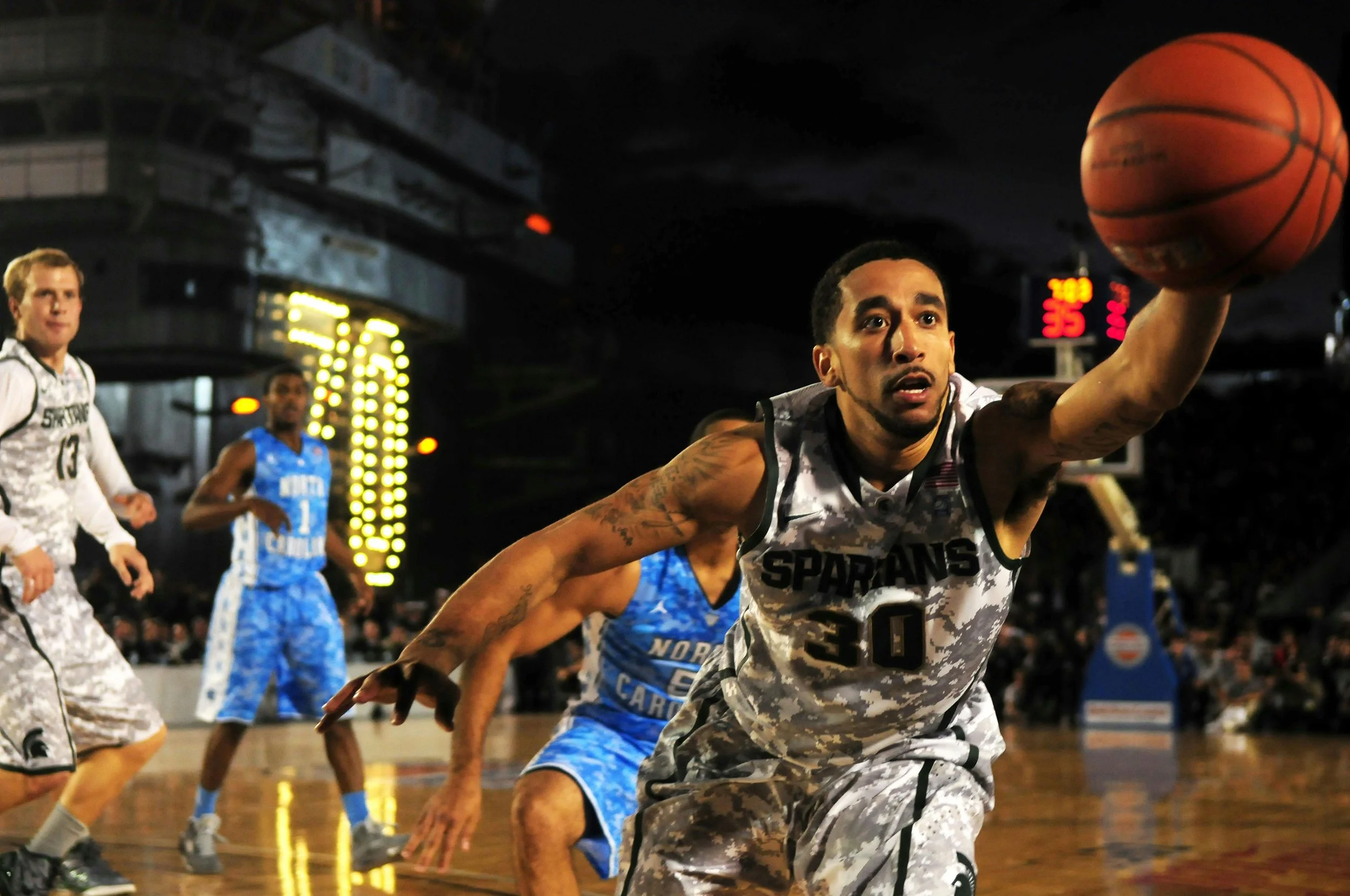
A collegiate sporting event like #MarchMadness is broadcast on television and includes: university teams and athletes, brand sponsors, fans and visitors and music. Once the event is broadcast on television, the legal questions multiply. So the questions to be asked are:
Who is responsible for the music licenses?
What licenses must the universities provide?
What licenses must the event organizer obtain?
What licenses must the television broadcaster hold?
Does anyone need to pay for synchronization rights?
Can the event rely on the broadcaster’s blanket licenses?
Music use at sporting events requires proper licensing from rights holders. For anyone organizing events with music, it is important to be aware of music licensing and copyright compliance for events issues which may come up. Let's try and address these issues below
The Four Music Rights That Matter in Sports Broadcasts
In televised sporting events, the relevant music rights generally fall into four categories:
Public Performance Rights - The right to play music compositions publicly.
Synchronization Rights (Sync) -The right to combine music (composition and recording) with video.
Master Use Rights - The right to use a specific sound recording.
Mechanical Rights - Typically related to reproduction and distribution of compositions, and usually not relevant for live sports broadcasts.
These rights are governed by the U.S. Copyright Act and relevant statutes. (If you’d like to learn more about the different types of royalties in music, read this article).
The Four Key Players
In this type of event, there are typically four parties involved:
The participating universities
The event organizer
The venue (stadium or arena, if held outside of university)
The television broadcaster
Each may have different legal responsibilities depending on who controls the music and how it is used.
Who Is Responsible for the Stadium Music?
Most of the music used during live collegiate sports events is controlled by the teams or universities. For example:
Marching bands
Stadium DJs
Entrance music
Celebration music
Background music during breaks in play
Because they control the music (and potentially the venue), universities are usually responsible for having public performance licenses. These licenses typically come from Performing Rights Organizations (PROs) (USA): ASCAP, BMI, and SESAC. Many universities already maintain institutional blanket licenses with these organizations, which allow music to be performed inside the stadium. However, they do not automatically cover television broadcasts. (If you’d like to learn more about what is a performance rights organization, read this article)
What About the Stadium Itself?
Sometimes the venue holds its own PRO licenses. This is common in: major league stadiums, large arenas and professional sports venues. When the venue holds blanket licenses, they cover any music played within the facility. But if the venue does not have those licenses, responsibility can shift to: the event promoter, the organizer or the teams controlling the music. If the venue does not have a blanket performance license, this means someone else must ensure coverage
A Most Important Issue: Synchronization Rights
The most misunderstood issue in sports broadcasts is synchronization licensing. A synchronization license is required when music is combined with video. This can happen when:
Stadium music is captured during the broadcast
Highlight reels include music
Opening sequences use songs
Promotional videos include music.
But in real-world sports broadcasting, the responsibility for sync licenses usually falls on the television network. Why? Because the broadcaster produces the audiovisual content, distributes the broadcast signal and monetizes the program. For that reason, television networks generally manage synchronization licensing themselves.
What About Master Use Licenses?
If the broadcast includes commercial recordings (for example, music from Spotify or Apple Music), an additional license may be required. This is called a Master Use License, and it must be obtained from the owner of the recording — typically the record label. To avoid this complexity, many sports broadcasts instead use: licensed broadcast music, music libraries, live bands or performances. This reduces the need to clear commercial recordings.
What Licenses Should the Event Organizer Have?
If the event organizer does not control the music selection, its exposure can be limited. The safest approach is contractual protection. Specifically, the organizer should require the universities to confirm that they have obtained all necessary music licenses. This is typically done through a clause such as: Music Rights Warranty. Where participating universities represent that they have secured all necessary licenses for the music used during the event and agree to indemnify the organizer and broadcaster against claims.
What About the Broadcaster?
Most television networks maintain blanket broadcast licenses with performing rights organizations. These licenses generally cover music that is incidentally captured during a broadcast. For example, music playing in the stadium that happens to be heard in the background of a game. This concept — often called incidental capture — is widely relied upon in professional sports broadcasting.
Likely Rights Structure
The safest structure for televised sports events is usually this:
Universities Responsible for stadium music.
Broadcaster Responsible for synchronization and broadcast rights.
Event Organizer Protected through contracts allocating music licensing responsibilities.
Because when responsibilities are unclear, music licensing issues can quickly become unexpected legal problems (infringement claims, statutory damages, attorneys fees, reputational harm).
MORE RESOURCES FOR YOU👇👇👇
📚 Related Guides on Music Licensing
If you are working with music in events, media, or digital content, these guides will help you navigate licensing and rights:
🔎 Legal Services for Music Licensing & Content Use
Learn how we assist clients with
🧠 Work With a Music & Entertainment Lawyer
If you are producing an event, creating content or negotiating music rights,
👉 Schedule a consultation with a music and entertainment lawyer to structure your licensing strategy efficiently.
📩 Contact Our Firm
Have questions about this article, our firm or services?
👉 Contact us for general inquiries
We are experienced music and entertainment lawyers in Miami, Florida, Puerto Rico and nationwide for select matters (SED Law, PLLC).
*This article is provided for informational purposes only, and does not constitute legal advice, counsel or representation.