Does Mailing Your Work to Yourself Protect Copyright?
Updated February 4, 2026
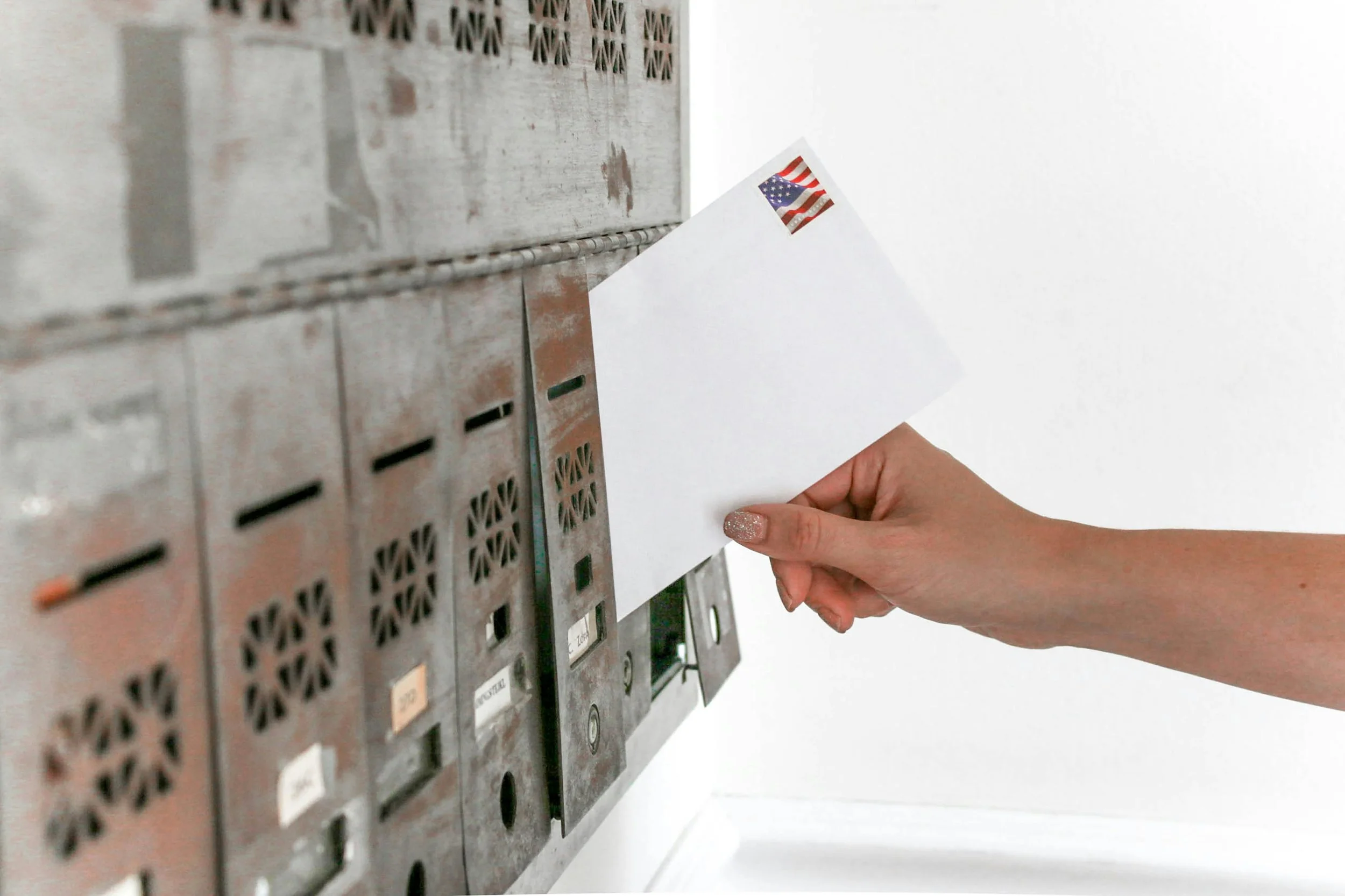
One of the most persistent copyright myths is the idea that you can protect your creative work by mailing it to yourself and leaving the envelope unopened. This is often referred to as the so-called “poor man’s copyright.” Despite how frequently this advice circulates online, mailing your work to yourself does not create enforceable copyright protection, nor does it replace formal copyright registration. Let’s unpack why this myth refuses to die — and what actually protects your work.
The “Poor Man’s Copyright” Explained
The idea is simple: a creator places a copy of their work—say, a guitar composition burned onto a disc—into an envelope, mails it to themselves, and leaves it unopened. The postmark, in theory, serves as proof of the date the work existed and identifies the recipient.
In the event of a dispute between two or more individuals over authorship, proponents of this method argue that the postal stamp verifies when the work was created and who received it.
Why This Method Falls Short Legally
While a postmark may establish that an envelope was mailed on a certain date to a particular recipient, it does not create copyright rights, nor does it function as a valid form of registration. More importantly, it does not satisfy the legal requirement necessary to enforce your rights in court.
Under U.S. copyright law, registration with the U.S. Copyright Office is a prerequisite to filing a copyright infringement lawsuit. In other words, if you want to seek legal remedies—such as monetary damages or injunctive relief—you must first register the work. See 17 U.S.C. § 411(a).
Mailing your work to yourself may feel protective, but it does not unlock enforcement rights, nor does it substitute formal registration.Mailing your work to yourself may prove one thing — that an envelope existed on a certain date. But it does not prove:
That you are the author
That the contents were original
That the work was not altered
That someone else didn’t create it first
Courts routinely reject unopened envelopes as reliable evidence of authorship. Envelopes can be tampered with, replaced, or manipulated, and there is no independent verification of the contents. In short: it’s weak evidence and carries almost no legal weight.
How Copyright Protection Really Works
Under U.S. copyright law, protection automatically exists the moment an original work is fixed in a tangible medium of expression. That means when your work is written down, recorded, saved to a hard drive, or otherwise captured in a permanent form, copyright already exists. This automatic protection applies to:
Music compositions and sound recordings
Films and audiovisual works
Literary works
Visual art and photography
Software and video games
However, automatic copyright and enforceable copyright are not the same thing.
What Copyright Registration Actually Does
Registering your work with the U.S. Copyright Office is what unlocks meaningful legal protection. Copyright registration allows you to:
File a federal copyright infringement lawsuit
Seek statutory damages (up to $150,000 per work for willful infringement)
Recover attorney’s fees in qualifying cases
Create a public record of ownership
Establish legal presumptions of validity and authorship
Without registration, even though copyright exists, your enforcement options are severely limited. A registration certificate significantly strengthens your legal position in any dispute.
If you register your copyright before infringement occurs, or within three months of publication, you preserve access to statutory damages and attorney’s fees. If you wait until after infringement:
You may be limited to actual damages only
Litigation becomes more expensive
Leverage in negotiations decreases
This is why registration is not just about protection — it’s about positioning.
(If you’d like to learn more about what remedies are available to trademark owners for infringement, read this article)
How Do I Properly Register My Work?
To register a work, you must submit an application to the Copyright Office, pay the applicable filing fee, and deposit a copy of the work. The entire process can be completed online through the Office’s electronic filing system. Unlike trademark or patent examination, copyright review is relatively limited in scope. The Copyright Office generally checks for:
Formal errors in the application
Whether the material is eligible for copyright protection
The Office does not evaluate artistic quality, originality in a creative sense, or commercial value.
(If you’d like to learn more about the legal rights every creative should understand, read this article)
What Types of Material Cannot Be Registered?
Certain works may be refused registration for specific reasons, including if the material:
Is already in the public domain
Copies, in whole or in part, an existing registered work without sufficient original authorship
Falls outside the scope of copyright protection, such as inventions, formulas, systems, or processes
(If you’d like to learn more about how does intellectual property affect works created by AI, read this article)
Conclusion
Mailing your work to yourself is not a substitute for copyright registration. It does not offer real protection, meaningful enforcement rights, or reliable proof of ownership. If your work has value — creative, commercial, or strategic — copyright registration is not optional, but rather foundational.
MORE RESOURCES FOR YOU👇👇👇
📚 Related Guides on Copyrights & Intellectual Property
🔎 Legal Services for Creators & Businesses
Learn how we assist clients with:
👉 Registration, Licensing, and Enforcement of Intellectual Property Rights
🧠 Work With an Intellectual Property Lawyer
👉Schedule a consultation with an IP and Trademark lawyer.
📩 Contact Our Firm
Have questions about this article, our firm or services?
👉 Contact us for general inquiries
(We are experienced music and entertainment lawyers in Miami, Florida, Puerto Rico and nationwide for select matters (SED Law, PLLC).
*This article is provided for informational purposes only, and does not constitute legal advice, counsel or representation.