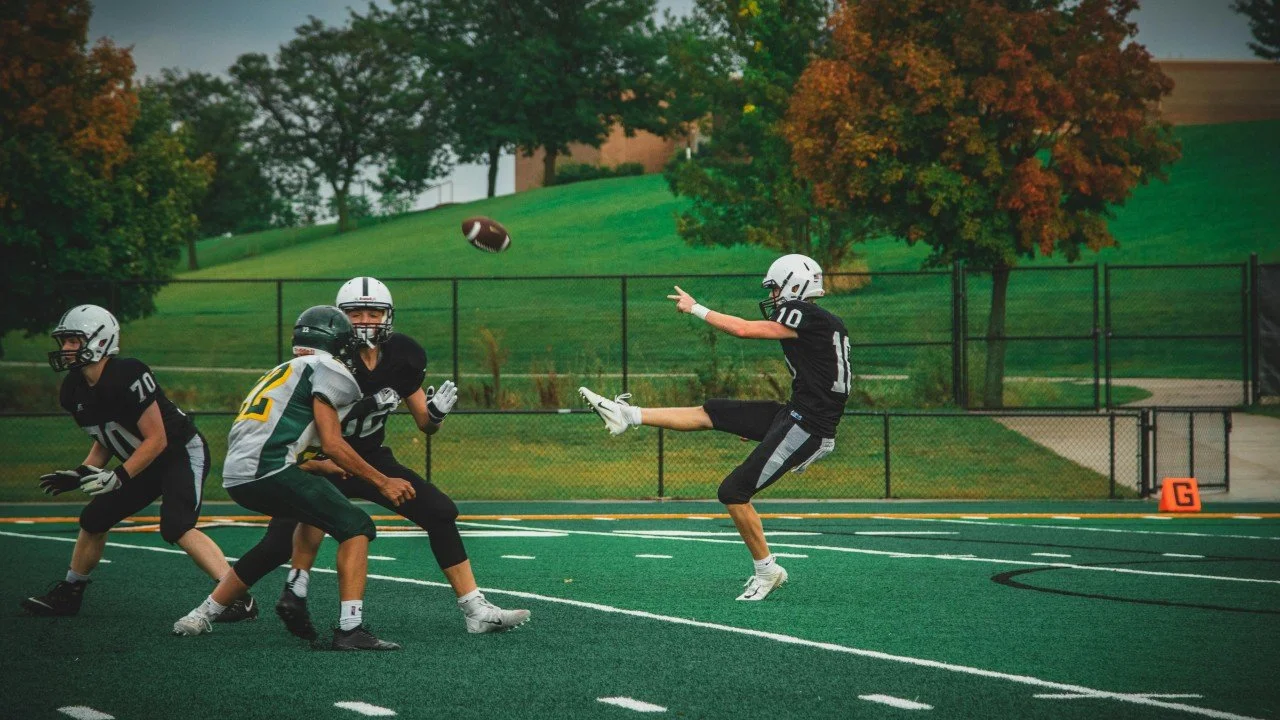
For decades, the NCAA built an empire on the concept of “amateurism.” College athletes generated billions of dollars for universities, television networks, apparel companies, conferences, and the NCAA itself — yet the athletes at the center of that ecosystem were prohibited from monetizing their own name, image, and likeness (“NIL”).
That system has now been fundamentally disrupted. Today, college athletes can sign endorsement deals, monetize social media followings, launch brands, appear in advertisements, host camps, sell merchandise, and participate in sophisticated NIL arrangements worth millions of dollars. Entire recruiting landscapes have shifted. And federal lawmakers, conferences, schools, athletes, agents, and boosters are all attempting to navigate a rapidly evolving regulatory environment.
In this article, we break down the legal and business transformation of NIL in college sports, including the NCAA’s evolving rules, NIL collectives, major antitrust cases, recruiting implications, and where the law may be headed next.
What Is NIL?
“NIL” refers to a college athlete’s ability to profit from their name, image and likeness (“NIL”), which includes: identity, publicity rights, and personal brand. This includes earning compensation through: endorsement deals, sponsorships, social media promotions, merchandise, autograph signings, appearances, camps and clinics, digital content, licensing opportunities, and other commercial activities.
Historically, the NCAA prohibited athletes from receiving compensation related to NIL, arguing that athlete compensation would undermine the concept of amateur college athletics. That changed dramatically on July 1, 2021, when the NCAA adopted an interim NIL policy permitting student-athletes to receive compensation for NIL activities without losing their amateur eligibility status.
The policy emerged after: mounting public pressure, multiple antitrust challenges, state NIL legislation, and increasing scrutiny concerning the NCAA’s restrictions on athlete compensation.
Today, NIL exists within a fragmented and evolving framework involving: NCAA guidance, state NIL laws, conference policies, institutional rules, collective agreements, and federal litigation.
Notably, there is still no comprehensive federal NIL law.
How Do College Athletes Make Money Through NIL?
NIL monetization opportunities can take many forms depending on the athlete’s sport, visibility, social media presence, and marketability.
Endorsement Deals - Athletes may partner with brands and companies for: advertisements, sponsorship campaigns, product promotions, and ambassador relationships. Major brands like Nike, Adidas, Gatorade, Beats, and local businesses alike have entered the NIL marketplace.
Social Media Influencing - Many athletes generate revenue through: Instagram sponsorships, TikTok campaigns, YouTube monetization, Twitch streaming, affiliate marketing, and digital brand partnerships. In many cases, an athlete’s social media influence may be as commercially valuable as on-field performance.
Merchandise and Licensing - Athletes may sell: apparel, branded merchandise, collectibles, signed memorabilia, and licensed products connected to their personal brand.
Camps, Clinics, and Appearances - Athletes frequently monetize: training camps, private lessons, autograph sessions, speaking engagements, and promotional appearances.
Digital Content Creation - Some athletes build substantial businesses around: podcasts, YouTube channels, lifestyle content, gaming, vlogging, and subscription-based media. NIL has effectively transformed many college athletes into independent media brands.
What Are NIL Collectives?
One of the most transformative developments in college sports has been the rise of NIL collectives. NIL collectives are organizations—typically structured as LLCs, nonprofits, marketing companies, or other business entities— that pool financial resources from donors, alumni, boosters and businesses, to create NIL opportunities for athletes. Collectives often facilitate endorsement arrangements, promotional deals, appearances, social media campaigns, charitable initiatives, and other monetization opportunities.
Although schools technically cannot directly control collectives, many collectives operate closely alongside major athletic programs and their supporter ecosystems. The practical reality is that NIL collectives have become deeply intertwined with recruiting, roster retention, transfer portal decisions, and competitive balance in college athletics.
Reports have suggested that major athletic programs collectively distribute millions of dollars annually through NIL-related ecosystems.
Why Are NIL Collectives Controversial?
The NCAA has attempted to prohibit NIL arrangements from functioning as direct “pay-for-play” compensation or recruiting inducements. However, enforcement has proven difficult. Critics argue that certain collectives effectively operate as quasi-payroll systems, recruiting tools, or salary structures loosely connected to commercial activity. Supporters counter that athletes are finally receiving economic opportunities comparable to the enormous value they generate for schools, conferences, and media companies.
This tension lies at the center of many ongoing legal and regulatory disputes.
Why Did the NCAA Historically Prohibit NIL Compensation?
The NCAA historically defended NIL restrictions through the doctrine of “amateurism.” Its central argument was that college athletes are students first and athletes second. According to the NCAA, preserving amateurism protected the educational mission of college sports, maintained competitive balance, and distinguished collegiate athletics from professional sports. The NCAA also argued that permitting athlete compensation could create recruiting disparities favoring wealthier programs and boosters. Critics, however, increasingly challenged these restrictions as anti-competitive and economically exploitative.
Why Did the NCAA’s NIL Model Come Under Antitrust Scrutiny?
The NCAA’s compensation restrictions eventually became the target of significant antitrust litigation. Plaintiffs argued that the NCAA functioned as a monopolistic organization, schools collectively agreed to suppress athlete compensation, and athletes were denied participation in a fair marketplace for their labor, identity, and commercial value.
These cases fundamentally reshaped the legal landscape of college athletics.
Key NIL and NCAA Antitrust Cases
O’Bannon v. NCAA (2014) - Former UCLA basketball player Ed O’Bannon challenged NCAA rules prohibiting athletes from receiving compensation related to the commercial use of their NIL. The case focused heavily on video games, broadcast rights, and licensing revenues. The court concluded that certain NCAA compensation restrictions violated antitrust law. O’Bannon represented one of the earliest major judicial cracks in the NCAA’s amateurism framework.
NCAA v. Alston (2021) - The Supreme Court’s decision in NCAA v. Alston became one of the most important sports law decisions in modern history. The case challenged NCAA restrictions on education-related benefits provided to athletes. In a unanimous 9-0 decision, the Supreme Court ruled against the NCAA. Although technically limited to education-related benefits, the decision significantly weakened the NCAA’s broader amateurism defense. Justice Brett Kavanaugh’s concurring opinion proved especially influential, sharply criticizing the NCAA’s compensation model and suggesting that many of its restrictions would likely be illegal in almost any other industry. The decision accelerated pressure for broader NIL reform and helped pave the way for the NCAA’s interim NIL policy.
House v. NCAA - House v. NCAA may ultimately become the most transformative NIL case to date. Filed in 2020, the class-action lawsuit challenged restrictions preventing athletes from monetizing NIL rights. The litigation eventually resulted in a proposed multibillion-dollar settlement involving the NCAA and major athletic conferences. Among the most significant implications: potential direct revenue sharing with athletes, compensation for former athletes, and a fundamental restructuring of the financial model of college sports. The case also raised major concerns involving: Title IX, roster management, booster activity, NIL enforcement, and salary-cap-like restrictions. On June 6, 2025, the U.S. District Court for the Northern District of California granted final approval to the House v. NCAA settlement. The settlement created a 10-year framework allowing participating Division I institutions to share revenue directly with student-athletes, beginning July 1, 2025. The settlement also requires approximately $2.8 billion in damages to Division I athletes dating back to 2016 and replaces scholarship limits with roster limits.
NIL and Recruiting
One of the most controversial NIL developments involves recruiting. Historically, NCAA rules prohibited athletes from negotiating NIL deals before enrolling at a school. However, recent litigation and settlement developments have significantly weakened those restrictions.
This has created a recruiting environment where NIL opportunities, collective strength, donor ecosystems, media exposure, and commercial potential have become major competitive factors influencing athlete decisions. Critics argue this has effectively created a free-market recruiting system. Supporters argue athletes are finally receiving market-based opportunities long denied under prior NCAA restrictions.
Why Is Federal NIL Legislation Being Discussed?
Currently, NIL operates under a fragmented patchwork of state laws, NCAA guidance, conference rules, and institutional policies. This inconsistency creates compliance complexity, recruiting disparities, uncertainty for brands and athletes, and significant enforcement problems. As a result, lawmakers have introduced multiple federal NIL proposals seeking to create nationwide standards. Proposed legislation has addressed issues including athlete compensation rights, federal preemption, health protections, transparency, agent regulation, and revenue sharing.
To date, however, no comprehensive federal NIL law has been enacted.
The Future of NIL and College Athletics
The NIL era has fundamentally altered college sports. What began as a dispute concerning athlete endorsements has evolved into a much broader debate involving labor rights, antitrust law, commercial exploitation, athlete compensation, collective bargaining, media rights, and the future structure of college athletics itself. The modern college athlete is increasingly functioning as an influencer, entrepreneur, brand, content creator, and commercial asset.
At the same time, schools, conferences, brands, collectives, agents, and lawmakers continue attempting to define the legal boundaries of this new ecosystem.
The next several years will likely determine: whether college athletics moves toward direct athlete compensation, whether federal NIL legislation emerges, how antitrust scrutiny evolves, and whether the NCAA can maintain meaningful regulatory authority in the NIL era.
One thing, however, is already clear, college sports will never operate the same way again.
Important Updates (May 2026)
In 2025, the NCAA agreed to abandon its rule prohibiting athletes from negotiating NIL deals before enrolling at a specific school. The settlement followed an antitrust lawsuit brought by Tennessee and other jurisdictions challenging the NCAA’s NIL recruiting ban, per the Associated Press.
For the 2025–2026 academic year, participating schools may share approximately $20.5 million with student-athletes. The cap is expected to increase annually and is calculated based on a percentage of average Power Five athletic revenue, per the College and University Professional Association for Human Resources.
The House settlement did not eliminate third-party NIL deals. However, outside NIL agreements valued above $600 must be reported through a clearinghouse and reviewed for valid business purpose and fair market value, per the College and University Professional Association for Human Resources.
The new NIL enforcement structure is administered by the College Sports Commission, which oversees compliance through NIL Go, a reporting and review platform for qualifying third-party NIL agreements, per Butler Snow
The NCAA’s February 2026 implementation Q&A also confirms that participating institutions must report revenue-share payments and benefits, comply with roster limits, and recognize the College Sports Commission’s enforcement authority, per the NCAA.
MORE RESOURCES FOR YOU👇👇👇
📚 Related Guides on Sports & Entertainment
🔎 Legal Services for Athletes, Agents & Institutions
Learn how we assist clients with
👉 brand partnerships, contracts, trademarks and IP, rights management and disputes
🧠 Work With a Sports & Entertainment Lawyer
👉 Schedule a consultation with a sports and entertainment lawyer to discuss your career and business.
📩 Contact Our Firm
Have questions about this article, our firm or services?
👉 Contact us for general inquiries
We are experienced sports and entertainment lawyers in Miami, Florida, Puerto Rico and nationwide for select matters (SED Law, PLLC).
*This article is provided for informational purposes only, and does not constitute legal advice, counsel or representation.