Florida Athlete Agent Law: What Agents, Athletes, and Schools Need to Know About Chapter 468
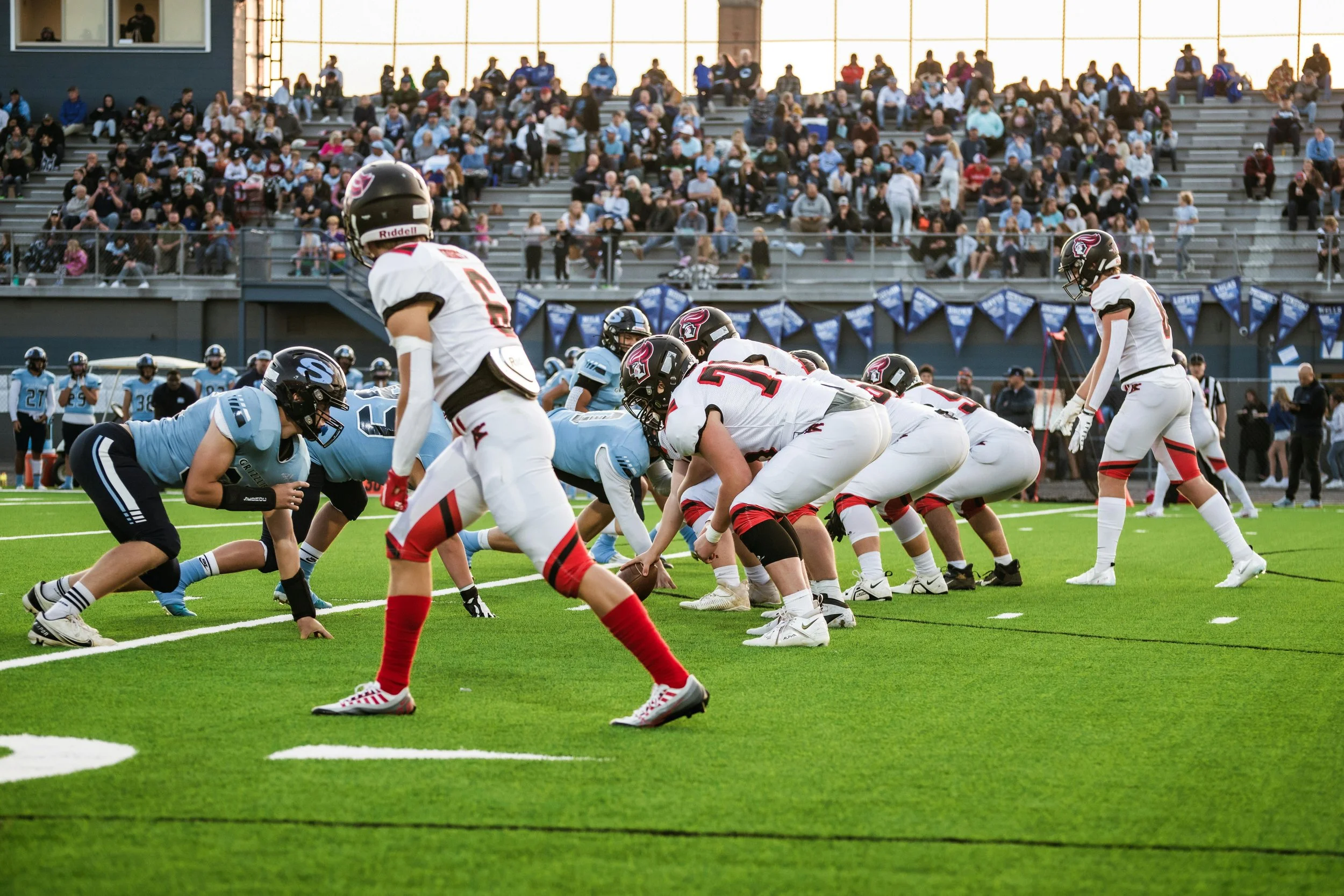
The NIL era has dramatically transformed college athletics. Student-athletes today are no longer limited to scholarship opportunities and traditional endorsement deals. Modern athletes now navigate: NIL collectives, sponsorship agreements, agent relationships, brand partnerships, social media monetization, and increasingly sophisticated business arrangements.
But as money and commercial activity continue flooding into college sports, many people overlook a critical reality: Florida already has a detailed athlete agent statute with licensing requirements, prohibited conduct provisions, criminal penalties, and civil liability exposure.
Florida’s athlete agent law—codified in Chapter 468, Part IX of the Florida Statutes—was enacted to regulate athlete agents and protect both student-athletes and educational institutions from dishonest or exploitative practices.
Why Florida Regulates Athlete Agents
The Florida Legislature expressly stated that the purpose of the statute is to address: “dishonest or unscrupulous practices by agents who solicit representation of student athletes.”
Florida’s definition of an athlete agent is extremely broad. Under Section 468.452, an athlete agent includes a person who:
recruits or solicits a student-athlete to enter into an agent contract,
procures or attempts to obtain employment or promotional opportunities for an athlete,
or markets a student-athlete’s athletic ability or athletic reputation for financial gain.
Importantly, the statute extends beyond traditional sports agents. Depending on the circumstances, the law could potentially implicate: NIL advisors, marketing representatives, business managers, brand consultants, financial representatives, or other individuals participating in athlete representation activities. The statute also specifically includes employees or individuals acting on behalf of an athlete agent.
NIL Representation Now Explicitly Falls Within the Statute
One of the most important modern developments is that Florida law now expressly addresses NIL representation. Section 468.453(8) states that a person must hold a valid athlete agent license to represent an intercollegiate athlete in connection with contracts involving name, image, likeness, and right of publicity opportunities.
Today, representation may involve endorsement deals, sponsorship agreements, social media campaigns, appearances, licensing, branding, merchandise, and digital monetization opportunities. Florida’s statute now directly ties NIL representation to athlete agent licensure requirements.
(If you’d like to learn more about the House settlement and what it means for NIL and college sports, read this article.)
Athlete Agent Licensing Requirements in Florida
Florida generally requires athlete agents operating within the state to obtain licensure through the Department of Business and Professional Regulation (“DBPR”). To qualify, applicants generally must:
be at least 18 years old,
demonstrate good moral character,
submit fingerprints and undergo criminal background checks,
pay applicable fees,
and avoid certain disqualifying criminal convictions.
The statute also provides limited temporary licensing provisions and reciprocity mechanisms for agents licensed in other states. Importantly, unlicensed activity may expose individuals to administrative penalties, criminal liability, and potentially civil exposure.
Athlete Agent Contracts Must Follow Strict Requirements
Florida law imposes detailed requirements for athlete agent contracts. Under Section 468.454, agent contracts generally must:
be in writing,
identify compensation terms,
disclose reimbursable expenses,
describe services,
specify contract duration,
and include statutory warning language.
One of the most important statutory disclosures warns student-athletes that signing an agent contract may affect NCAA eligibility, may require notice to the athletic director, and may be cancellable within 14 days.
The statute also requires:
notice to athletic directors within 72 hours,
delivery of signed contracts to athletes,
and compliance with cancellation rights.
Failure to comply with these requirements may render the contract voidable or unenforceable.
(If you’d like to learn more about whether talent agents in Florida need to be licensed, read this article.)
Florida Prohibits Certain Recruiting and Inducement Practices
Florida law imposes significant restrictions on athlete agent conduct. Among other things, athlete agents may not provide materially false or misleading information, furnish improper inducements, provide benefits before an athlete signs an agent contract, or provide value to third parties to induce representation relationships.
The statute also prohibits agents from intentionally initiating contact with student-athletes without proper licensure, failing to retain required business records, predating or postdating contracts, or failing to notify athletes that signing may affect eligibility.
These provisions are particularly important in today’s NIL environment, where recruiting pressure, transfer portal movement, collective activity, and endorsement competition have intensified significantly.
(If you’d like to learn more about what is the current state of NIL in college sports, read this article.)
Criminal Penalties Under Florida Law
Many people are surprised to learn that Florida’s athlete agent statute includes criminal provisions. For example, unlicensed athlete agent activity may constitute a third-degree felony, while certain inducement violations may rise to second-degree felony exposure. Florida law also prohibits collaboration with individuals previously convicted of illegal athlete recruitment conduct. As NIL money continues increasing, regulatory scrutiny surrounding athlete recruiting and compensation structures may continue growing as well.
Colleges and Universities Can Sue for Damages
Florida law does not only create regulatory and criminal exposure. It also creates a private civil cause of action for colleges and universities harmed by violations of the statute. Educational institutions may potentially recover:
actual damages,
punitive damages,
treble damages,
attorney’s fees,
and court costs.
The statute specifically recognizes damages arising from NCAA sanctions, postseason bans, scholarship losses, forfeited games, recruiting restrictions, lost media revenue, and other financial harm. Given the enormous financial stakes in modern college athletics, these provisions can create substantial exposure.
Business Recordkeeping Requirements
Florida also imposes business recordkeeping obligations on athlete agents. Agents generally must maintain (for at least five years):
financial records,
athlete information,
contracts,
and recruitment-related expense records
The Department may inspect and subpoena records as part of enforcement activity.
MORE RESOURCES FOR YOU👇👇👇
📚 Related Guides on Sports & Entertainment
🔎 Legal Services for Athletes, Agents & Institutions
Learn how we assist clients with
👉 brand partnerships, contracts, trademarks and IP, rights management and disputes
🧠 Work With a Sports & Entertainment Lawyer
👉 Schedule a consultation with a sports and entertainment lawyer to discuss your career and business.
📩 Contact Our Firm
Have questions about this article, our firm or services?
👉 Contact us for general inquiries
We are experienced sports and entertainment lawyers in Miami, Florida, Puerto Rico and nationwide for select matters (SED Law, PLLC).
*This article is provided for informational purposes only, and does not constitute legal advice, counsel or representation.