The Future of NIL: How College Sports Became a Legal and Financial Battleground
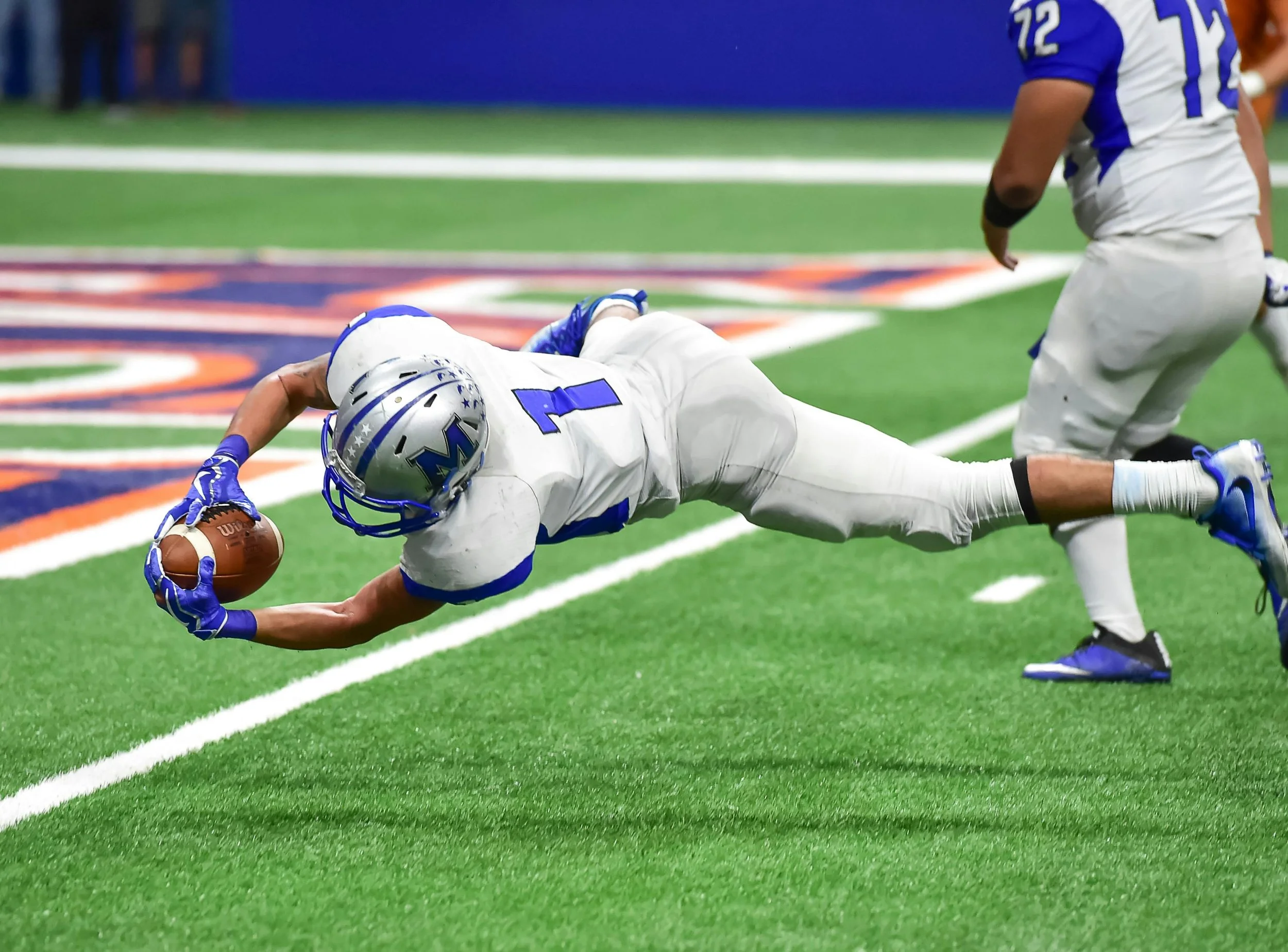
College athletics has entered one of the most chaotic and transformative periods in its history. What began as a movement centered around athlete publicity rights and antitrust law has rapidly evolved into a multibillion-dollar ecosystem involving NIL collectives, unrestricted athlete compensation, transfer portal free agency, private equity, and growing calls for federal regulation and collective bargaining.
Today, college athletics increasingly resembles a hybrid system somewhere between amateur sports, professional free agency, influencer marketing, and minor league development. And many industry stakeholders are beginning to ask the same question: Is the current NIL framework sustainable?
In this article, we discuss the legal and business evolution of NIL, the growing regulatory uncertainty surrounding college sports and why many believe the current system is headed toward major federal intervention.
NIL Started as a Right of Publicity and Antitrust Issue
At its core, NIL began as a legal challenge to the NCAA’s long-standing restrictions on athlete compensation. Historically, NCAA rules prohibited athletes from profiting from their name, image, and likeness through activities such as endorsements, sponsorships, autographs, and other commercial ventures.
The NCAA’s position was rooted in preserving “amateurism.” However, critics increasingly argued that these restrictions prevented athletes from monetizing their own identities while universities, broadcasters, apparel companies, and athletic programs generated billions of dollars from college sports. As litigation intensified, NIL became both a right of publicity issue, and an antitrust issue.
The broader argument was that NCAA compensation restrictions unlawfully restrained athlete economic opportunities in violation of federal antitrust law.
The House Settlement Changed Everything
The modern NIL landscape accelerated dramatically following major antitrust litigation against the NCAA, culminating in the landmark House settlement framework. The House v. NCAA litigation was a landmark antitrust case brought by current and former Division I athletes challenging NCAA rules that restricted athlete compensation related to name, image, and likeness (“NIL”) and other revenue-sharing opportunities. In June 2025, a federal court granted final approval to a historic settlement that allows participating Division I schools to directly share revenue with student-athletes beginning in the 2025–2026 academic year, while also providing approximately $2.8 billion in back-pay damages to athletes for previously restricted compensation opportunities. The settlement fundamentally reshaped college athletics by accelerating the transition from the NCAA’s traditional amateurism model toward a more professionalized system involving revenue sharing, NIL collectives, transfer portal mobility, and growing discussions surrounding employment and collective bargaining.
Under the settlement framework:
schools may distribute approximately $20 million annually to athletes,
NIL collectives continue operating,
and athletes may still pursue third-party endorsement opportunities.
Critics argue the system has effectively evolved into “pay-for-play” despite NIL originally being intended to support activities such as endorsements, sponsorships, branding opportunities, and commercial licensing.
(If you’d like to learn more about what is the House settlement and what it means for NIL and college sports, read this article.)
The Rise of Collectives and “Legalized Boosters”
One of the most controversial developments in the NIL era has been the rise of NIL collectives. Collectives are organizations—often structured as LLCs, nonprofits, or 501(c)(3) entities—that pool funding from boosters, donors, sponsors, private investors, and other supporters to create NIL opportunities for athletes.
In practice, some programs allegedly use collectives to funnel large amounts of money toward recruiting and roster retention. Money may come from wealthy local donors, sponsors, agents, private equity groups, or affiliated business entities. Critics argue that many collectives function as legalized boosters. They argue that shell companies, artificial sponsorship structures, and loosely regulated commercial arrangements have adversely affected the NIL ecosystem.
At the same time, supporters argue collectives simply represent a modern marketplace response to athlete compensation demand.
A Free Agency System Without Collective Bargaining?
One of the most common criticisms of the current NIL model is that college sports increasingly resembles professional free agency—but without the legal infrastructure that normally governs professional sports leagues. Today’s college athletes may transfer schools frequently, negotiate NIL packages, and pursue compensation opportunities across multiple programs. Some argue the system now resembles unrestricted free agency, or a quasi-minor league system.
At the same time, there is no players’ union, no collectively bargained salary structure, no standardized agent regulations, and no nationwide NIL statute. This creates significant uncertainty surrounding employment classification, unionization, athlete rights, compensation structures, and contract enforceability.
Are College Athletes Employees?
One of the biggest unresolved questions in college sports is whether athletes will eventually be classified as employees. If athletes become employees, major legal implications could follow involving labor law like: workers’ compensation, employment benefits, wage and unionization rights. Many believe college athletics is moving toward some form of collective bargaining framework, revenue-sharing model, or employment-based structure. As of May 2026, however, there is still no comprehensive federal framework governing these issues.
Executive Orders, Federal Legislation, and Federal Preemption
The current patchwork system—consisting of state statutes, NCAA rules, conference policies, and private collective arrangements— appears to be unsustainable without some form of uniform standardization. Policymakers and industry stakeholders have debated whether college athletics now requires federal preemption, nationwide NIL standards, and regulation.
Several federal legislative proposals have emerged, like the Student Compensation and Opportunity through Rights and Endorsements Act (SCORE Act). This bill provides a framework for the compensation of student athletes for the use of their NIL. The bill statutorily prohibits institutions, conferences, or athletic associations like the NCAA from restricting the ability of a student athlete to enter an NIL agreement. Core provisions include:
Federal Preemption: a nationwide standard for NIL agreements, as opposed to apatchwork of state laws.
Student Status: defining student-athletes as amateurs rather than employees
NCAA Antitrust exemptions - to set rules governing recruiting, transfers, and NIL disclosure.
As of May 2026, House GOP leaders pulled the bill from a vote after failing to secure the required votes.
NCAA Rules Are Rapidly Losing Control
NCAA governance structures have struggled to adapt quickly enough to the pace of change. Many industry participants now describe NCAA rules as outdated, reactive, or increasingly difficult to enforce. This was not always the case. Historically, the NCAA maintained strict eligibility restrictions. For example:
signing with an agent could eliminate eligibility,
athletes faced severe endorsement restrictions,
and compensation rules were tightly regulated.
Today, many of those restrictions have weakened substantially. Athletes may now hire agents, retain lawyers, work with financial advisors, and monetize social media influence.
Are NIL Contracts Even Enforceable?
Another growing issue involves NIL contract enforceability. Schools and collectives have reportedly begun including buyout provisions, liquidated damages clauses, repayment provisions, and roster-retention mechanisms within NIL-related agreements.
But major legal questions remain; you cannot force an athlete to play, courts may scrutinize certain restrictions, and some NIL arrangements may resemble unenforceable employment restraints.
And since many NIL disputes remain confidential and are resolved privately, there is still very little precedent and limited nationwide guidance regarding NIL contract enforcement.
The Agent Regulation Problem
The NIL era has also created confusion surrounding athlete representation. Unlike entertainment talent agents—which in some states are governed by specific statutes—sports agent regulation remains fragmented.
As a result, many NIL advisors operate with limited oversight, agent qualification standards vary, and there is no unified national licensing framework specifically tailored to NIL representation.
Some notable suggestions include mandatory certification systems, agent examinations, or federal licensing structures to address growing concerns about athlete exploitation and inexperienced advisors entering the market.
Conclusion
The NIL landscape will change dramatically over the next years. Major unresolved questions include:
collective bargaining,
employment classification,
federal preemption,
transfer portal regulation,
unionization,
athlete contracts,
compensation caps,
and collective oversight.
At the same time, the financial stakes continue growing. Some college athletes reportedly earn compensation rivaling—or even exceeding—certain professional athletes. Whether the current system evolves into a regulated employment structure, a collectively bargained model, or a more formalized semi-professional system remains uncertain.
MORE RESOURCES FOR YOU👇👇👇
📚 Related Guides on Sports & Entertainment
🔎 Legal Services for Athletes, Agents & Institutions
Learn how we assist clients with
👉 brand partnerships, contracts, trademarks and IP, rights management and disputes
🧠 Work With a Sports & Entertainment Lawyer
👉 Schedule a consultation with a sports and entertainment lawyer to discuss your career and business.
📩 Contact Our Firm
Have questions about this article, our firm or services?
👉 Contact us for general inquiries
We are experienced sports and entertainment lawyers in Miami, Florida, Puerto Rico and nationwide for select matters (SED Law, PLLC).
*This article is provided for informational purposes only, and does not constitute legal advice, counsel or representation.