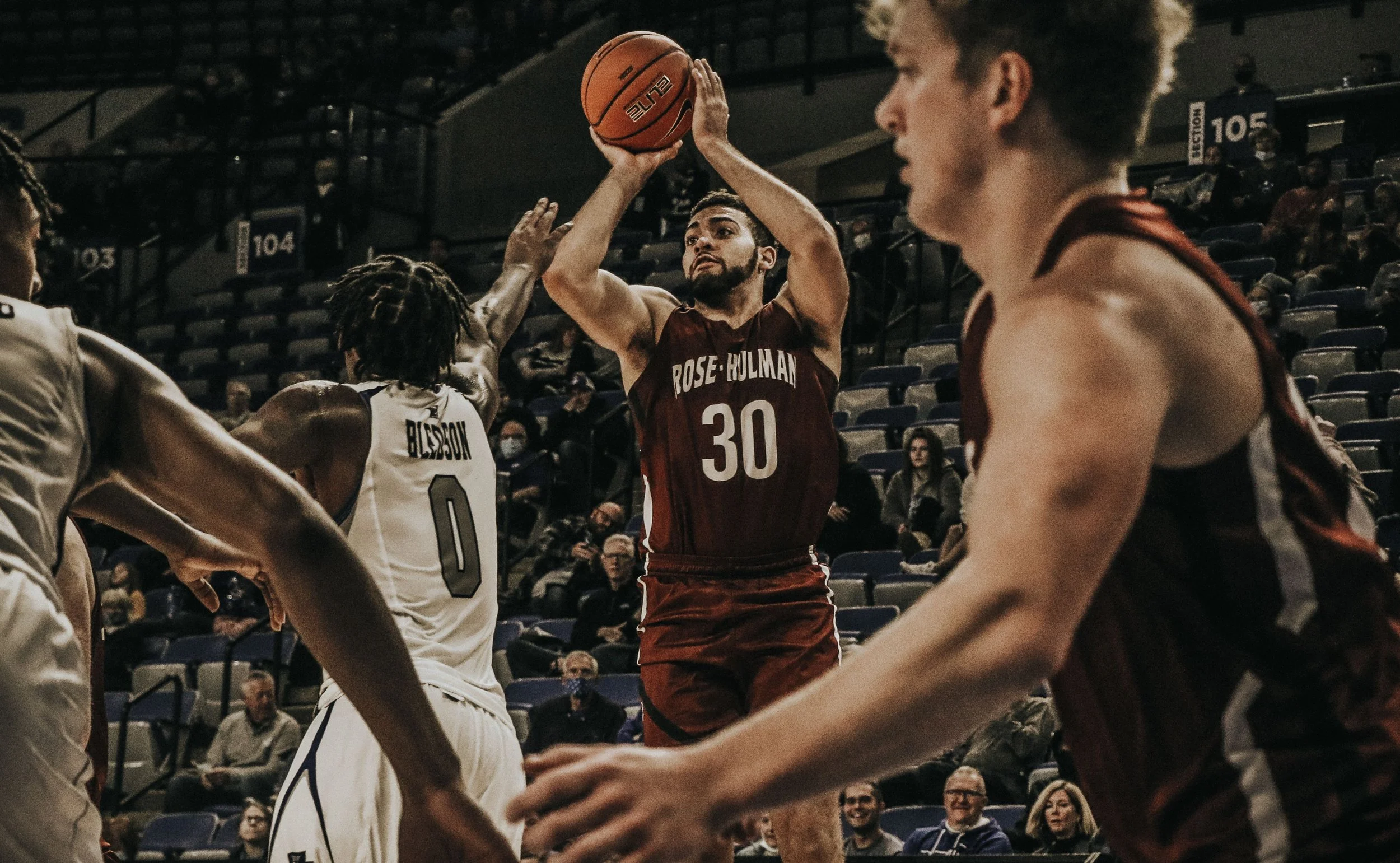
The legal landscape of college athletics has changed dramatically over the past decade. What was once an amateur sports model built around scholarships and educational opportunities has evolved into a multi-billion-dollar ecosystem involving NIL deals, transfer portal free agency, revenue-sharing arrangements, and growing debates over athlete compensation. The recent House v. NCAA settlement has accelerated this transformation by allowing universities to directly compensate student-athletes through revenue-sharing programs, a development that would have been unthinkable only a few years ago. Yet despite these changes, one fundamental question remains unresolved:
Are student-athletes employees?
Employee status could unlock an entirely new set of legal rights and protections, including wage and hour claims, collective bargaining rights, anti-retaliation protections, and whistleblower remedies under both federal and state law.
For public university athletes in Florida, the issue may be particularly significant. If student-athletes are eventually classified as employees, they could gain access to legal protections that currently remain out of reach, including Florida's Whistle-blower's Act and federal workplace anti-retaliation statutes.
Current Whistleblower Protections Available to Student-Athletes in Florida
At present, student-athletes are not generally considered employees under federal or Florida law. As a result, they do not enjoy many of the workplace protections available to traditional employees. Instead, student-athletes primarily rely on Title IX of the Education Amendments of 1972.
Title IX prohibits discrimination based on sex in educational programs or activities receiving federal financial assistance. Within athletics, Title IX has served as one of the most important legal tools for addressing unequal treatment, disparities in resources, participation opportunities, harassment, and retaliation connected to sex-based complaints. Although Title IX includes anti-retaliation protections, its focus remains educational rather than employment-based. The statute was designed to prevent discriminatory educational practices, not to regulate workplace relationships.
By contrast, Title VII of the Civil Rights Act of 1964 provides significantly broader anti-discrimination and anti-retaliation protections for employees. Title VII prohibits employment discrimination based on race, color, religion, sex, and national origin and includes a comprehensive enforcement framework involving the Equal Employment Opportunity Commission (EEOC), private lawsuits, damages, and attorney's fees.
The critical distinction is that Title VII applies only to employees.
Because student-athletes currently are not recognized as employees, they generally cannot invoke Title VII protections. However, if courts or legislatures ultimately classify student-athletes as employees, that legal barrier would disappear.
Florida's Whistleblower Act
Florida law provides additional protections through the Florida Whistleblower Act, codified at Florida Statute § 112.3187.
The statute protects public employees who report:
violations of law,
gross mismanagement,
malfeasance,
gross waste of public funds,
abuse of authority,
or substantial dangers to public health and safety.
Importantly, the law applies to public agencies, including Florida's public universities. The challenge is that the statute protects employees, not students. As such, student-athletes currently fall outside the statute's protections. However, should athletes eventually be classified as employees of public universities, Florida's whistleblower protections could become available to them.
Why Employee Classification Matters
The NCAA's use of the term "student-athlete" dates back to the 1950s. Historically, the NCAA promoted the term as a way to emphasize the educational nature of college athletics and distinguish student participation from professional employment. Courts largely accepted this framework for decades, reinforcing the idea that athletes were students first and competitors second.
Today, however, the realities of modern college athletics look dramatically different. Many athletes devote substantial time to activities such as: practices, travel, training, media obligations, sponsorships, NIL opportunities, and athletic performance. In some sports, these responsibilities resemble full-time employment commitments.
Employee classification matters because it unlocks a broad range of legal rights that are unavailable to students acting solely in an educational capacity. These rights may include:
anti-retaliation protections,
collective bargaining rights,
wage and hour claims,
workplace discrimination claims,
workers' compensation benefits,
unemployment protections,
and whistleblower remedies.
Without employee status, student-athletes remain largely dependent upon education-focused protections such as Title IX.
The Road Toward Athlete Employee Status
(1) Northwestern and the First Major Employment Challenge
One of the earliest modern challenges to the NCAA's amateurism framework arose in 2014 when Northwestern University football players sought union representation. In a widely discussed decision, an NLRB Regional Director concluded that scholarship football players satisfied traditional common-law employment principles because they performed services under university control and received compensation in the form of athletic scholarships. Although the National Labor Relations Board ultimately declined to exercise jurisdiction over the case, it did not reject the underlying reasoning. The decision sparked a national conversation about whether college athletes should be viewed through the lens of labor law rather than amateurism.
(2) NCAA v. Alston
The Supreme Court's 2021 decision in NCAA v. Alston further weakened the NCAA's long-standing reliance on amateurism as a defense to compensation-related challenges. The Court unanimously held that NCAA restrictions on education-related benefits violated federal antitrust law. Perhaps even more significant was Justice Brett Kavanaugh's concurrence, which openly questioned whether the NCAA's broader compensation restrictions could survive antitrust scrutiny at all. For many, Alston signaled that courts were becoming increasingly willing to evaluate NCAA policies using traditional economic and legal principles rather than granting deference to amateurism.
(If you’d like to learn more about what is NIL and how it affects student athletes, read this article.)
(3) NLRB Developments
The employee-classification debate continued gaining momentum in 2021 when NLRB General Counsel Jennifer Abruzzo issued guidance expressing the view that certain college athletes should be considered employees under federal labor law. In 2024, Dartmouth men's basketball players successfully voted to unionize following a favorable ruling by an NLRB Regional Director. Although subsequent developments complicated the effort, the case further demonstrated the growing willingness of labor authorities to reconsider traditional assumptions regarding athlete status.
The House Settlement Changed the Conversation
The June 2025 approval of the House v. NCAA settlement marked one of the most significant developments in the history of college athletics. For the first time, schools became authorized to directly share revenue with student-athletes. Under the settlement framework, participating Division I institutions may distribute approximately $20.5 million annually to athletes through revenue-sharing programs, subject to future adjustments.
This change fundamentally altered the athlete-university relationship. Historically, schools argued that athletes received educational benefits rather than compensation. Today, universities may directly pay athletes pursuant to structured revenue-sharing arrangements.
That reality creates an increasingly difficult question: If athletes are performing services under institutional control and receiving compensation in return, how different are they from employees?
The House settlement does not answer that question. But it certainly makes it harder to avoid.
(If you’d like to learn more about what is the House settlement and what it means for NIL and college sports, read this article.)
Johnson v. NCAA: The Case That Could Change Everything
The most important pending case in this area may be Johnson v. NCAA. The plaintiffs, former Division I athletes, argue that they should be classified as employees under the Fair Labor Standards Act and compensated accordingly. In 2024, the United States Court of Appeals for the Third Circuit ruled that the athletes had plausibly alleged employee status and could proceed with their claims. However, the court did not outright hold that athletes are employees. Instead, it held that traditional employment-law principles should be applied rather than automatically dismissing claims based on amateurism.
The court identified several factors relevant to the analysis, including whether athletes:
perform services,
primarily benefit another entity,
operate under institutional control,
and receive compensation or benefits in exchange.
The case remains ongoing, but its outcome may have profound consequences for college athletics.
(If you’d like to learn more about how to become a sports and NIL agent in Florida, read this article.)
Why Whistleblower Protections May Still Be Incomplete
Even if athletes ultimately obtain employee status, significant gaps may remain. Federal anti-retaliation laws generally focus on employer conduct. For example, Title VII protects employees who oppose unlawful practices or participate in investigations. Courts typically require a materially adverse action that would discourage a reasonable employee from engaging in protected activity. Yet many forms of retaliation in athletic environments do not fit neatly within traditional employment frameworks. Examples may include:
social ostracism,
hazing,
peer intimidation,
locker room retaliation,
rumor-spreading,
social isolation,
or informal threats.
Research consistently suggests that athletes frequently hesitate to report misconduct because of concerns about peer retaliation and team culture. Studies have estimated that hazing remains widespread throughout collegiate athletics, yet reporting rates remain remarkably low. Accordingly, even employee classification may not fully solve the problem unless legislatures or courts expand protections to address peer-level retaliation.
The Financial and Institutional Consequences of Employee Status
The debate over athlete employment extends far beyond whistleblower protections. Universities face significant concerns regarding the financial impact of employee classification. Potential costs may include: wages, benefits, workers' compensation, unemployment insurance, payroll taxes, healthcare obligations, and collective bargaining requirements.
Many athletic departments already operate at a deficit. Critics argue that employee classification could place additional pressure on universities, potentially affecting non-revenue sports, tuition costs, and institutional budgets. Others argue that these concerns simply reflect the realities of operating a modern sports enterprise and should not justify withholding legal protections from athletes who generate substantial economic value.
MORE RESOURCES FOR YOU👇👇👇
📚 Related Guides on Sports & Entertainment
🔎 Legal Services for Athletes, Agents & Institutions
Learn how we assist clients with
👉 brand partnerships, contracts, trademarks and IP, rights management and disputes
🧠 Work With a Sports & Entertainment Lawyer
👉 Schedule a consultation with a sports and entertainment lawyer to discuss your career and business.
📩 Contact Our Firm
Have questions about this article, our firm or services?
👉 Contact us for general inquiries
We are experienced sports and entertainment lawyers in Miami, Florida, Puerto Rico and nationwide for select matters (SED Law, PLLC).
*This article is provided for informational purposes only, and does not constitute legal advice, counsel or representation.